📰 Trending Topics
Google News - Trending
Trending topics: Black women writers - The Christian Century
2026-10-07 05:33
SEMA Show Social Buzz: What’s Trending on Social Media - Body Shop Business
2026-10-07 12:03
Is Trending Stock ServiceNow, Inc. (NOW) a Buy Now? - Yahoo Finance UK
2026-10-07 12:00
10/6/26: Trending a Little More Mild - NEWS10 ABC
2026-10-06 21:56
Google News - Technology
Amazon Prime Big Deal Days Offers Major Discounts on AirPods, iPads, and Much More - MacRumors
2026-10-07 12:38
- Amazon Prime Big Deal Days Offers Major Discounts on AirPods, iPads, and Much More MacRumors
- The Best October Prime Day Apple Deals on AirPods, MacBooks, and More The New York Times
- In My Cart: Here are the Prime Day deals we’re buying today 9to5Mac
- Laptops are too expensive, so I found 27 great Amazon Prime Day deals to help you save CNN
- Prime Day Tech Deals: Our Fave Sony Headphones at Lowest-Ever Prices and More New York Magazine
At $1,279, Google’s Xreal Aura will go head-to-head with Meta’s VR Glasses - The Verge
2026-10-07 12:00
- At $1,279, Google’s Xreal Aura will go head-to-head with Meta’s VR Glasses The Verge
- I Put on Meta and Xreal’s XR Glasses. Face Computers Are Finally Getting Good WIRED
- Xreal's Aura Android XR Smartglasses Will Cost You At Least $1,279 Engadget
- Xreal’s Aura Glasses and Meta’s VR Glasses Are Set for a Slugfest Gizmodo
- XREAL Aura with Android XR start at $1,279 9to5Google
Microsoft Surface and Windows Event 2026: All the Announcements and Analysis Live From San Francisco - PCMag
2026-10-07 15:34
- Microsoft Surface and Windows Event 2026: All the Announcements and Analysis Live From San Francisco PCMag
- Microsoft, Nvidia CEOs to unveil new AI laptop at San Francisco event Reuters
- Microsoft and Nvidia Detail PC Laptop with RTX Spark Chip Today Barron's
- Nvidia Takes Aim at Intel’s $32 Billion PC Business With Microsoft’s Surface Laptop Ultra Yahoo Finance
- Windows and Surface event: how to watch and what to expect The Verge
Samsung 9100 Pro SSDs are on sale at Amazon, 1TB drive is back near its launch price - TechSpot
2026-10-06 22:40
- Samsung 9100 Pro SSDs are on sale at Amazon, 1TB drive is back near its launch price TechSpot
- The 20+ best Prime Day deals on MicroSDs, SSDs, and hard drives: Our top picks to beat RAMageddon Mashable
- Samsung 9100 Pro SSD gets another price cut, up to 51% off — 1TB falls below $200, 4TB below $750 Tom's Hardware
- Prime Day SSD and HDD Deals: Score Big Storage Savings and Stave Off RAMageddon PCMag
- Sandisk Knocks 30% Off Its New 1TB Extreme Portable SSD, 2TB and 4TB Get Cut Too Gizmodo
Unity unveils a web-based AI game creation platform - GamesIndustry.biz
2026-10-07 12:00
- Unity unveils a web-based AI game creation platform GamesIndustry.biz
- Introducing Playground: Create and play custom games blog.google
- Google Unveils 'Playground,' Brings AI Gaming To 'Tens Of Millions' Creators 10/07/2026 MediaPost
- Google, Unity Launch Platform to Create Video Games From Prompts Bloomberg.com
- Google now lets you make games with AI The Verge
NASA - Breaking News
Artemis II Crew Moon Photo Annotations
2026-10-07 15:44
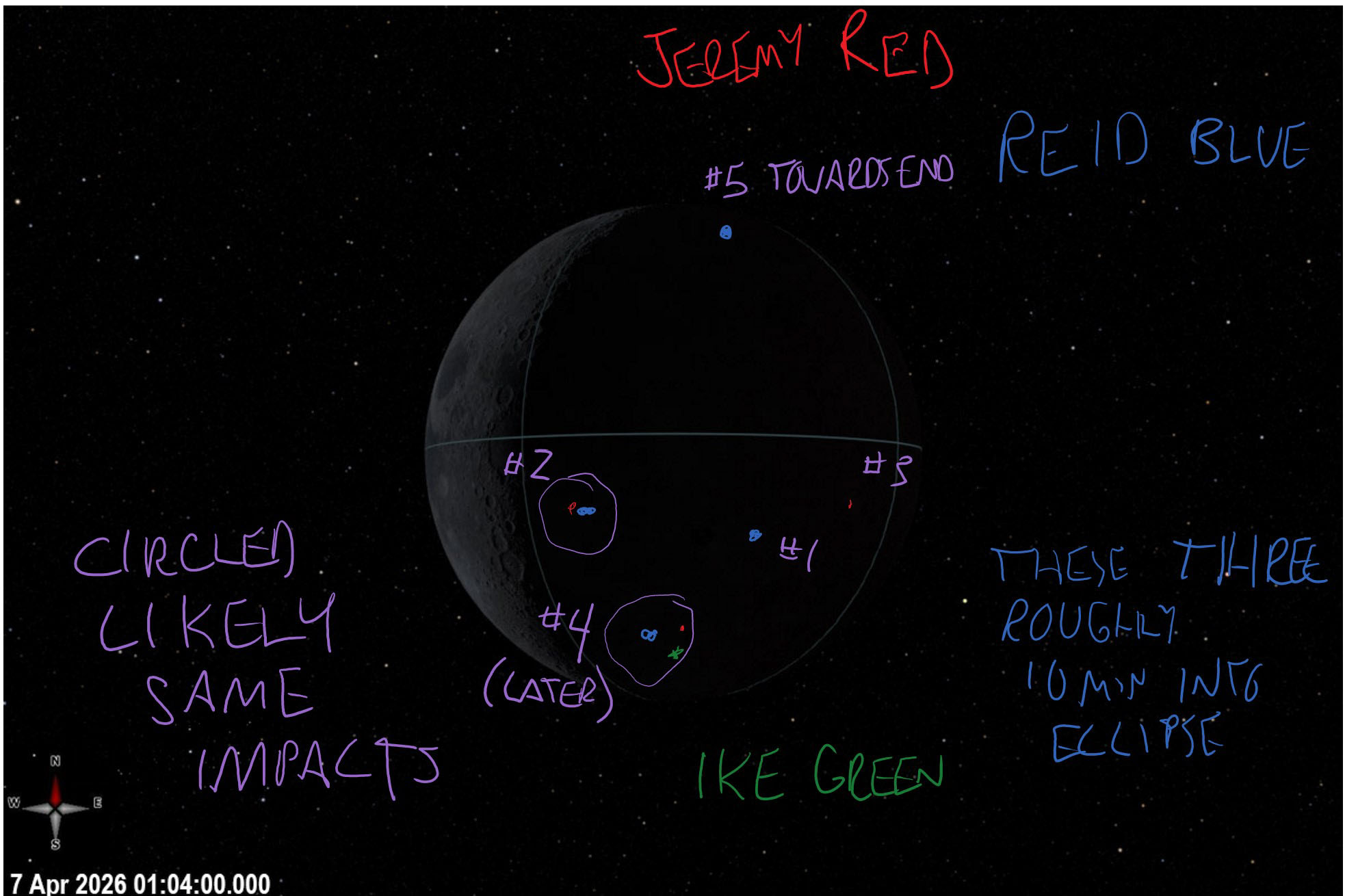
A visualization of a dark Moon eclipsing the Sun is marked with handwritten notes in this April 6, 2026, screenshot from an Artemis II crew member’s tablet.
NASA astronauts Reid Wiseman (in blue) and Victor “Ike” Glover (in green) and CSA (Canadian Space Agency) Jeremy Hansen (in red) observed impact flashes and their locations, which are noted on the image. Overall, the astronauts reported seeing five extremely faint “pinprick” bursts of light from their view aboard Orion, which was 46,000 miles away from the Moon at the time. These flashes are sparked by rocky fragments hitting the Moon.
From April 1 through April 10, 2026, NASA’s Artemis II crew traveled to the Moon and back and along the way, captured stunning imagery and scientific observations of our nearest neighbor. Now, the full lunar science dataset from their journey is available to the global science community, and to the public, for further study. Read about the report, listen to crew audio observations, and explore more.
Image credit: NASA
APOD: 2026 October 7 – Supernova Remnant Pa 30
2026-10-07 04:05
APOD
Astronomy Picture of the Day
Discover the cosmos! Each day a different image or photograph of our fascinating universe is featured, along with a brief explanation written by a professional astronomer.
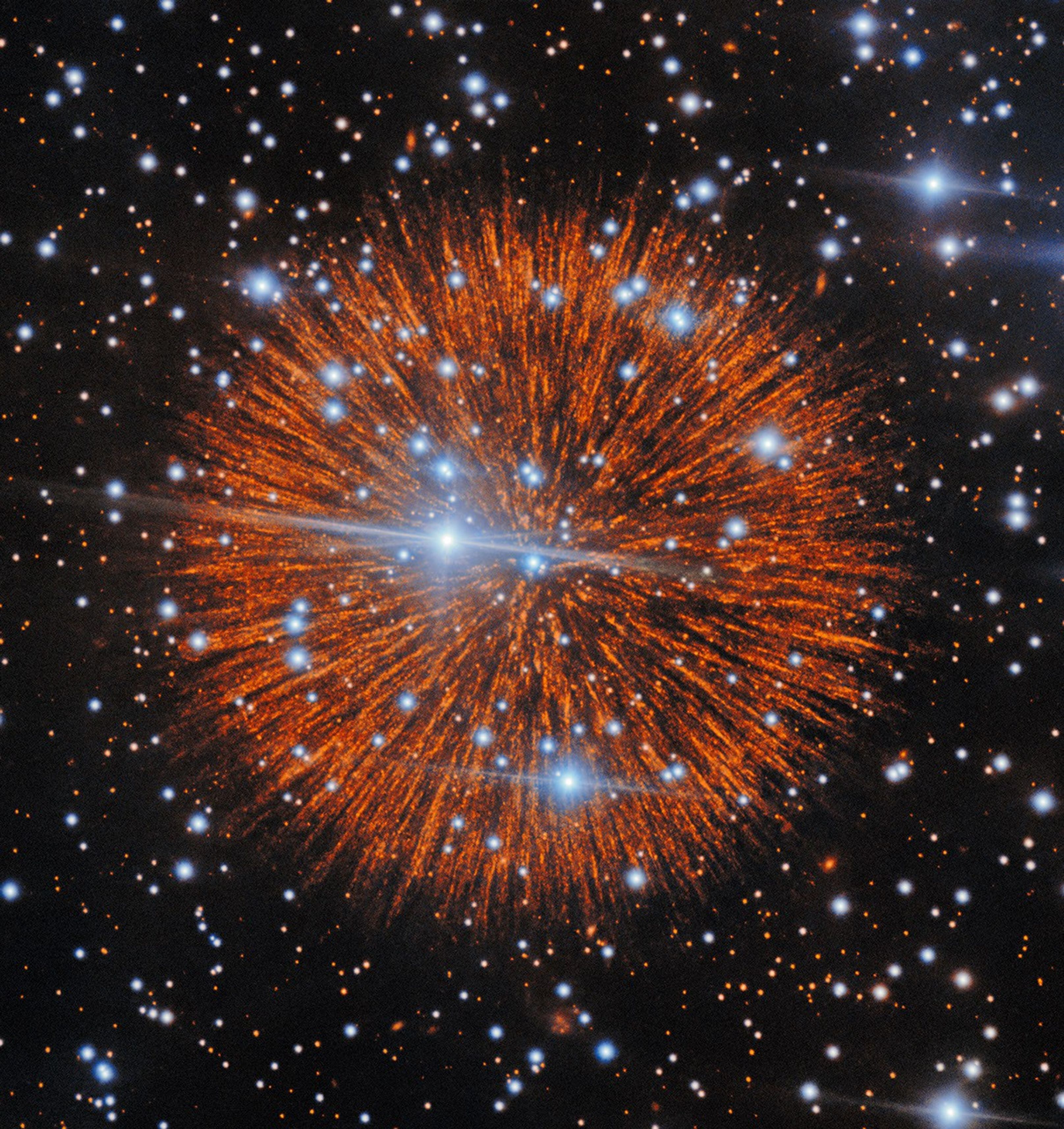
Supernova Remnant Pa 30
Explanation: “Happy New Year!” No, wait, this is not a fireworks display. This image shows Nebula Pa 30, observed with the Gemini North Telescope in Hawai’i. It is likely the remnant of an old supernova explosion: separate historical records by Chinese, Japanese and Arabic astronomers tell of a “guest star” that appeared in the sky for 185 days in the year 1181. It is believed that this bright new point of light came from the supernova that caused the fireworks in Pa 30. Astronomers don’t know exactly what happened in this unusual explosion, classified as a Type Iax supernova, but it is thought to be caused by the merger of two white dwarfs. The mysterious central star in the image is extremely hot and produces a strong wind, possibly forming the radial filaments. Look closely at them: those pearl-like knots stringing the filaments are 4 light-days in diameter. Understanding how a supernova created this amazing nebula continues an 845-year old mystery (and counting).
Tomorrow’s picture: smörgåsbord
| Date | October 7, 2026 |
|---|---|
| Credit & License | International Gemini Observatory/NOIRLab/NSF/AURA. Acknowledgment: PI: T. Cunningham (Center for Astrophysics – Harvard & Smithsonian). Image Processing: J. Miller & M. Rodriguez (International Gemini Observatory/NSF NOIRLab), T.A. Rector (University of Alaska Anchorage/NSF NOIRLab), D. de Martin & M. Zamani (NSF NOIRLab). |
| Authors & editors: | Cecilia Chirenti, Robert Nemiroff, Jerry Bonnell, Keighley Rockcliffe |
| A service of: |
ASD at NASA / GSFC, NASA Science Activation & Michigan Tech. U. |
Arctic Sea Ice Shrinks to Its 2026 Minimum
2026-10-07 04:00
NASA Earth Observatory/Michala Garrison
This story is an update to the Arctic sea ice feature in our World of Change series, which tracks long-term change on Earth’s surface through satellite imagery.
A layer of frozen seawater caps the Arctic Ocean. This sea ice grows through the long polar winter, usually peaking in March, then melts through the summer to its annual low in September. It is a natural fluctuation that has persisted for millennia. But satellite records show the ice now covers less of the Arctic Ocean at its annual maximum and minimum than it did a few decades ago.
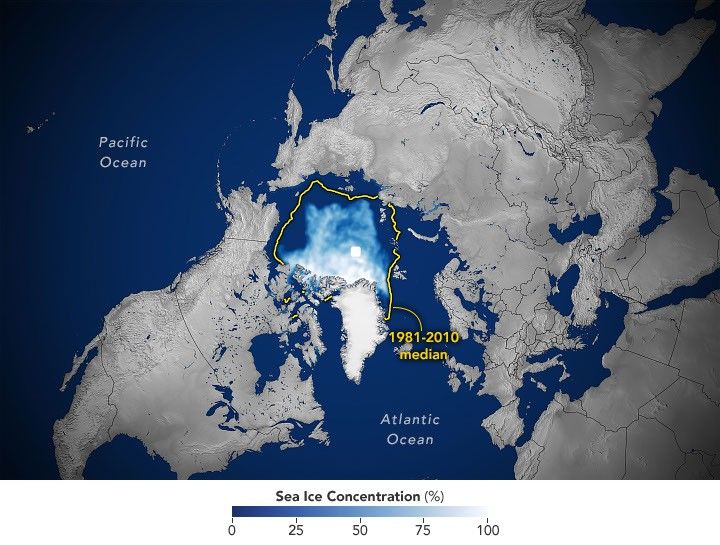
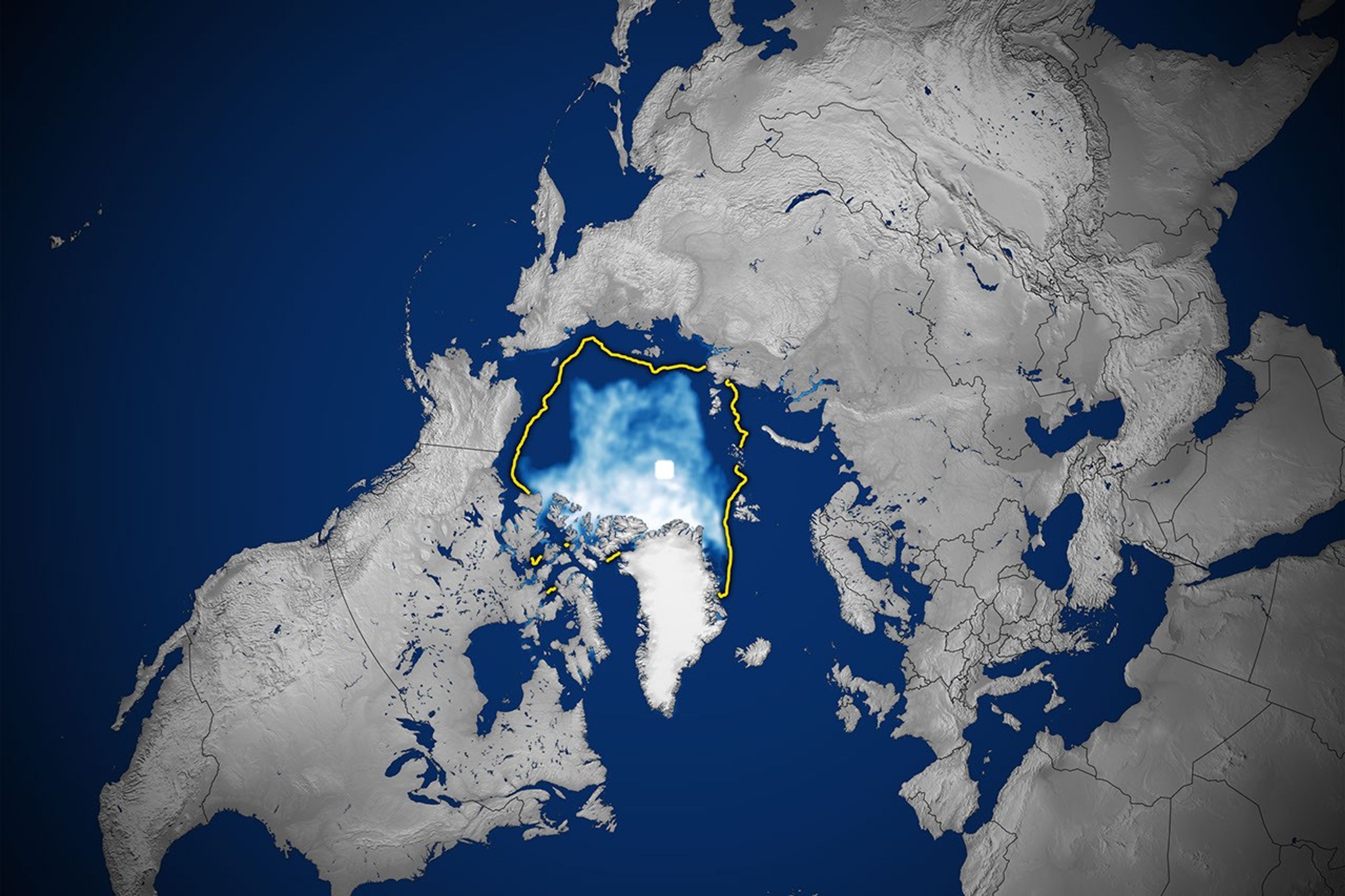
Sea ice in 2026 reached its annual minimum extent on September 12 (above), when it covered an estimated 4.6 million square kilometers (1.78 million square miles), according to NASA and the National Snow and Ice Data Center (NSIDC). That ties 2008, 2010, and 2025 for the 10th-lowest minimum in the satellite record.
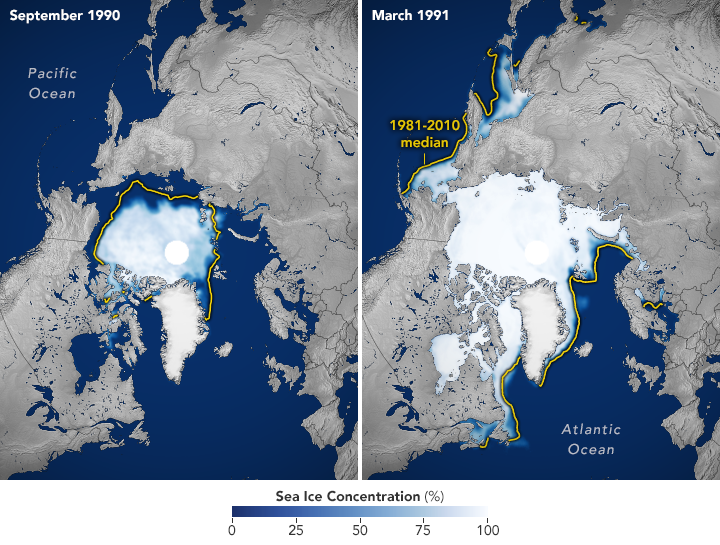
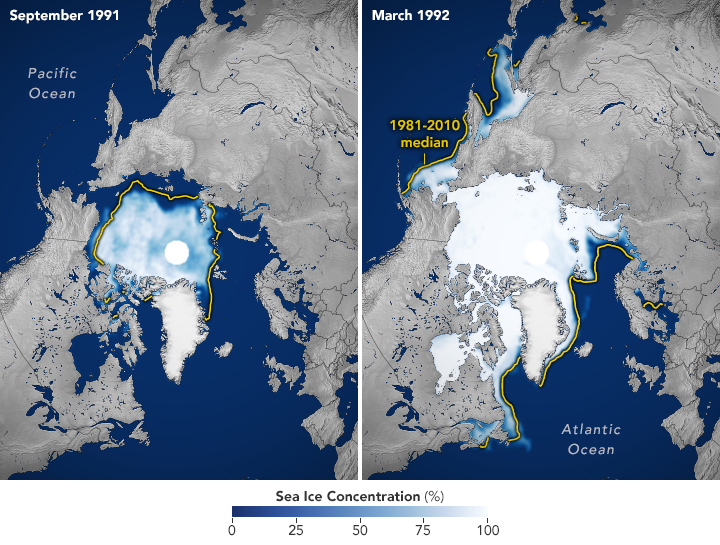
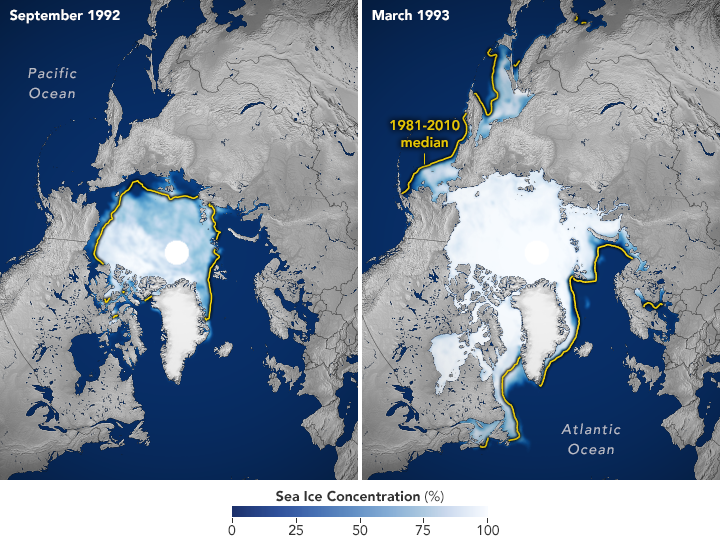
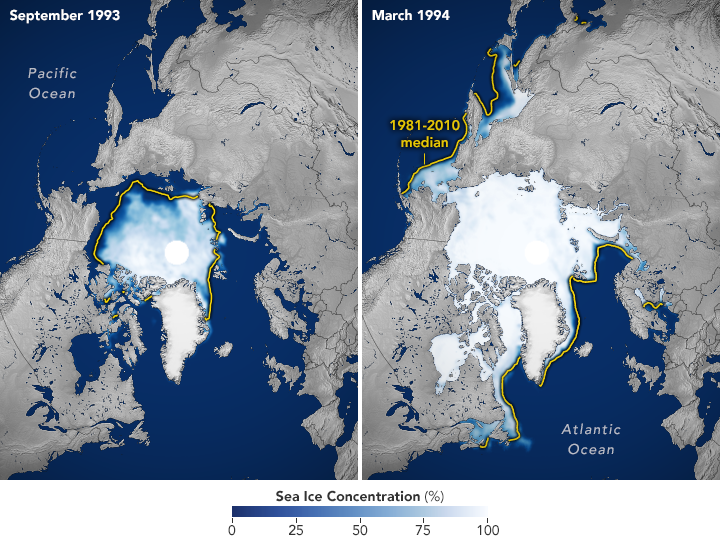
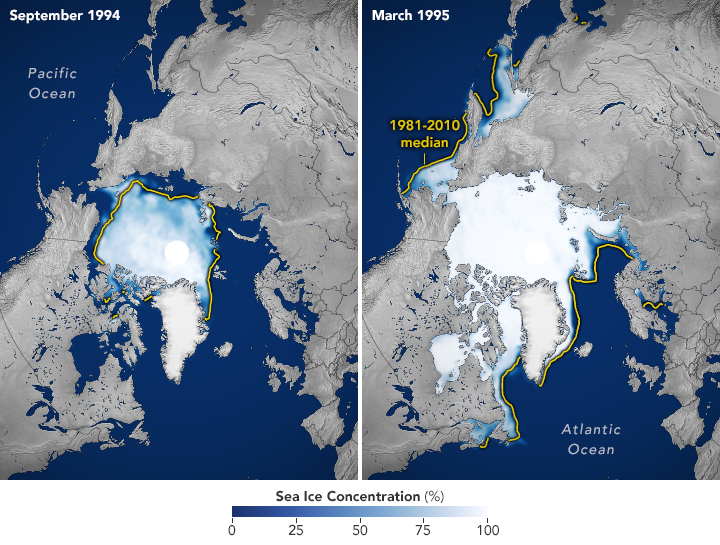
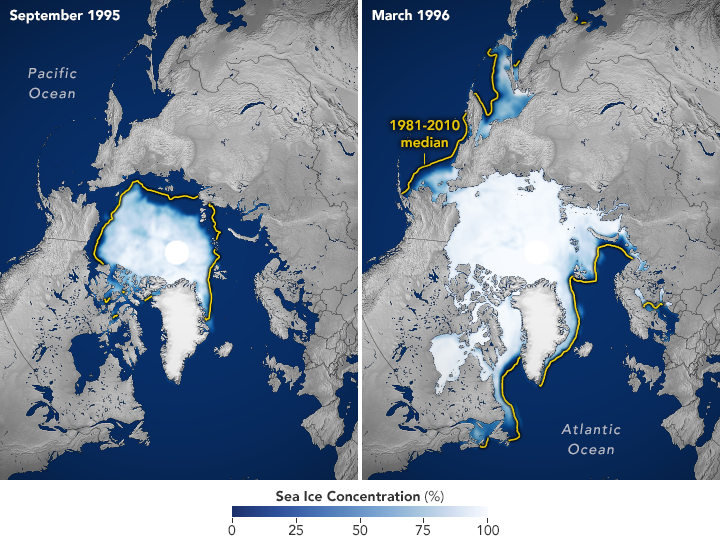
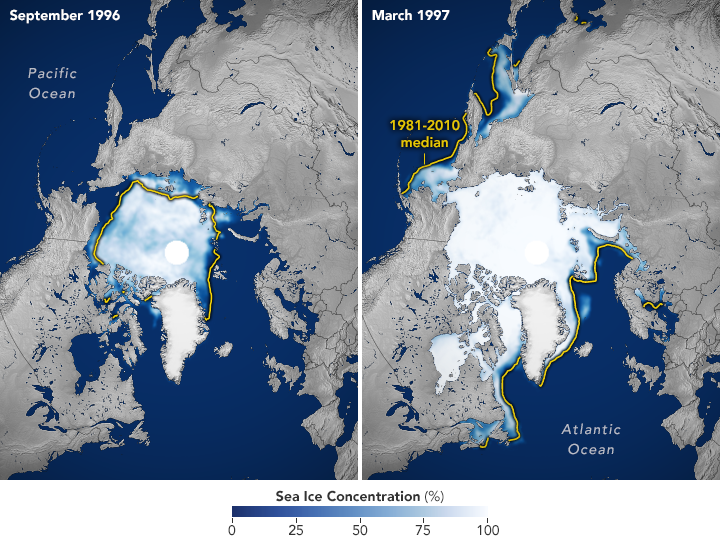
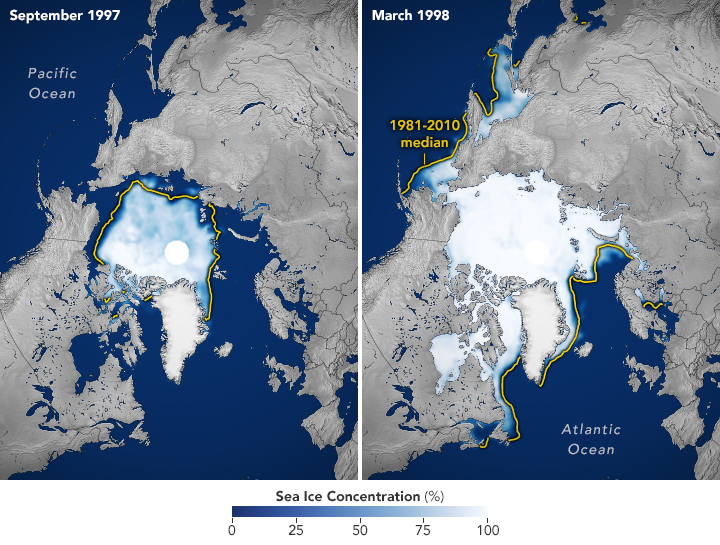
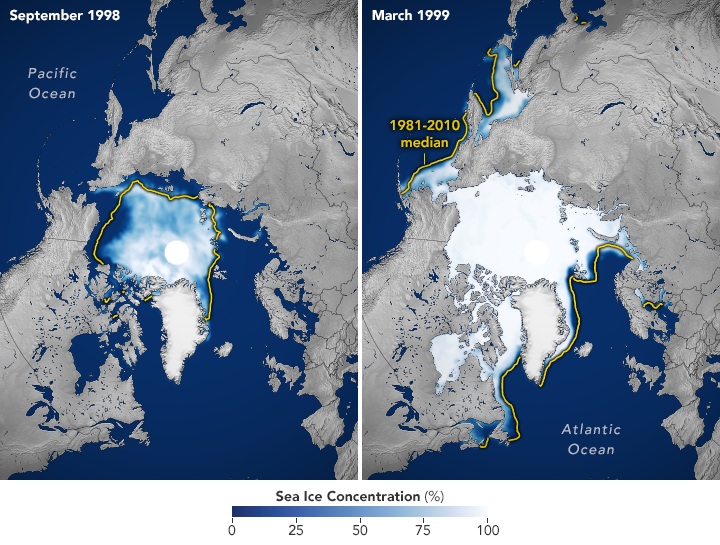
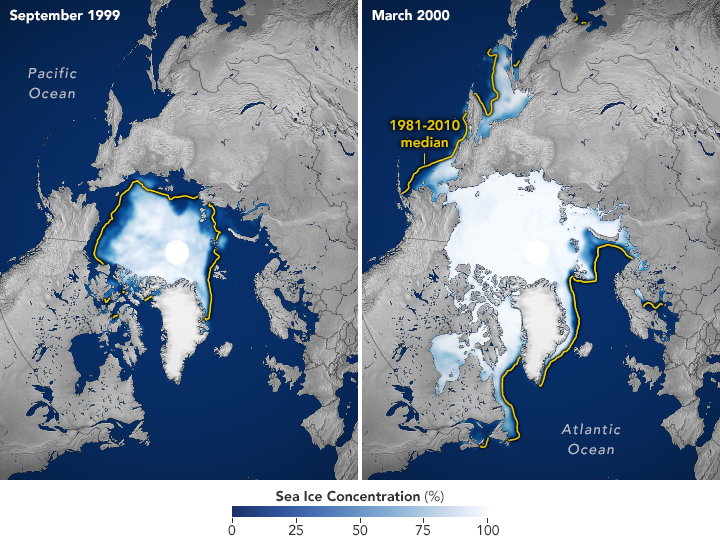
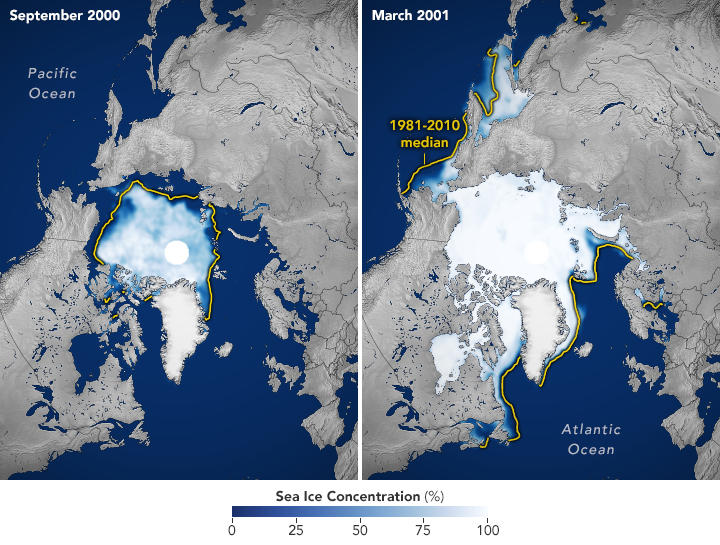
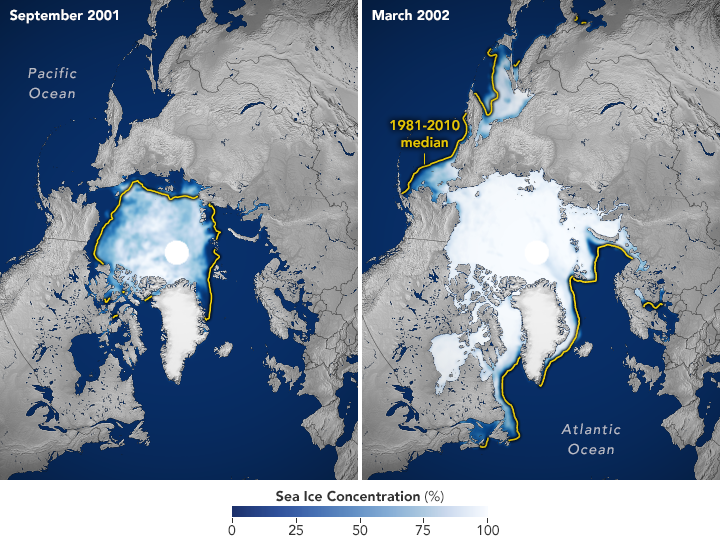
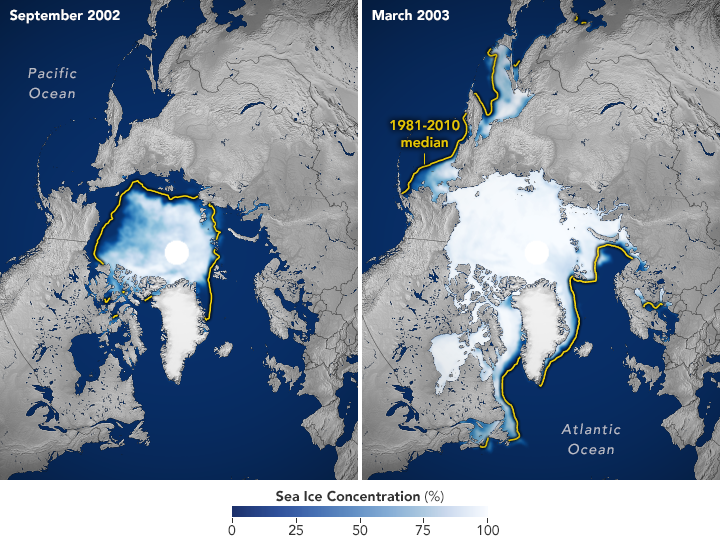
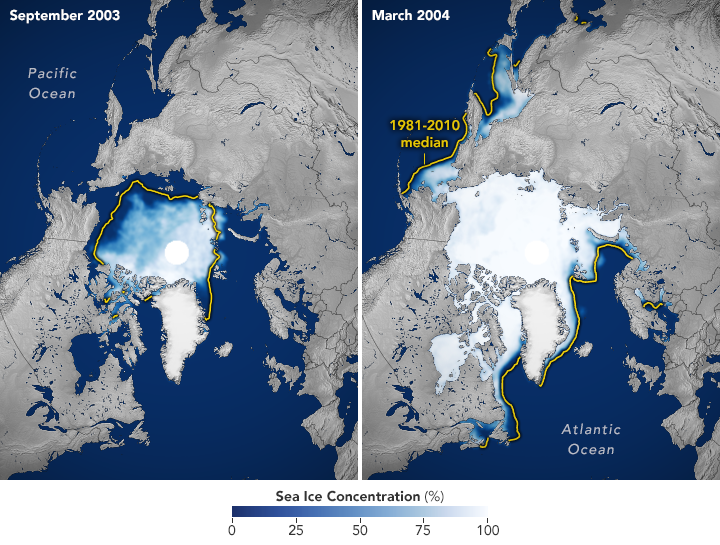
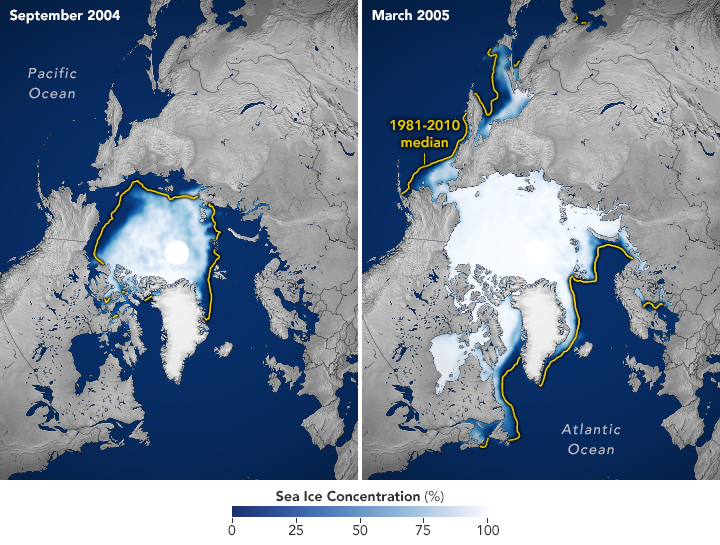
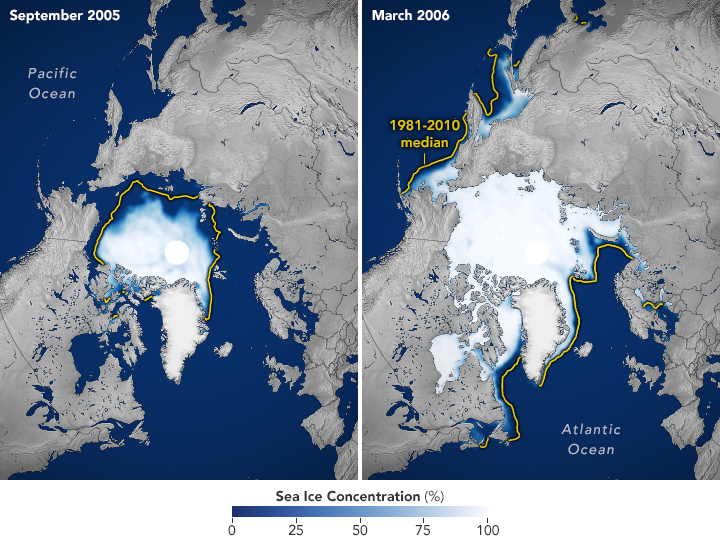
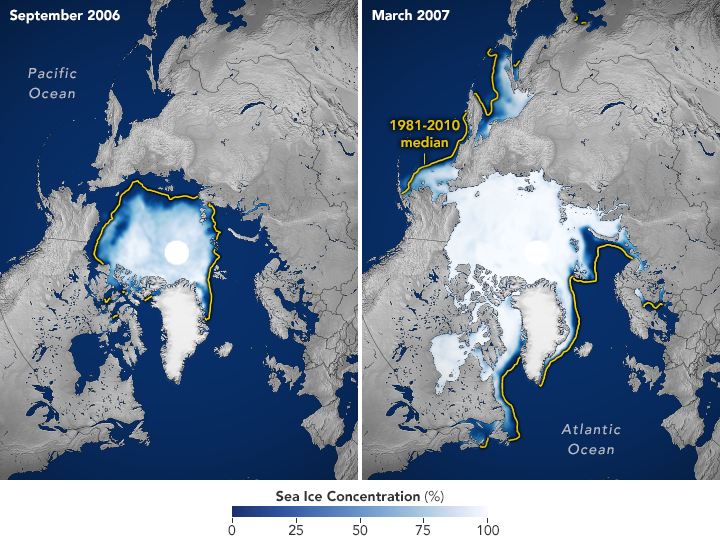
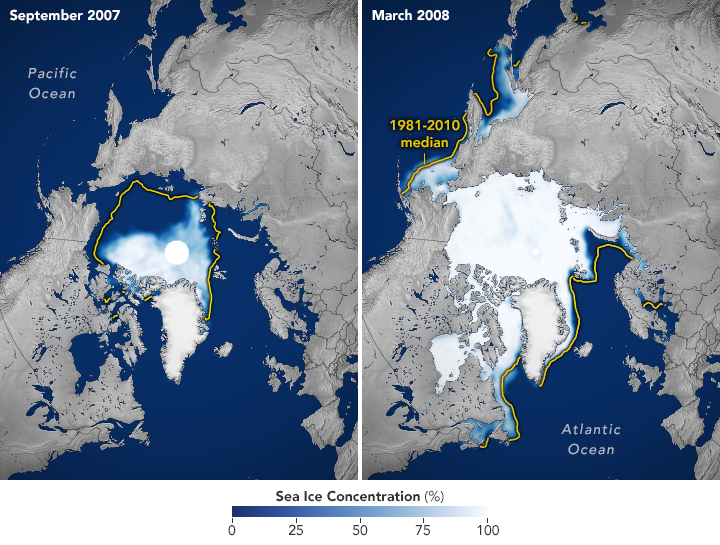
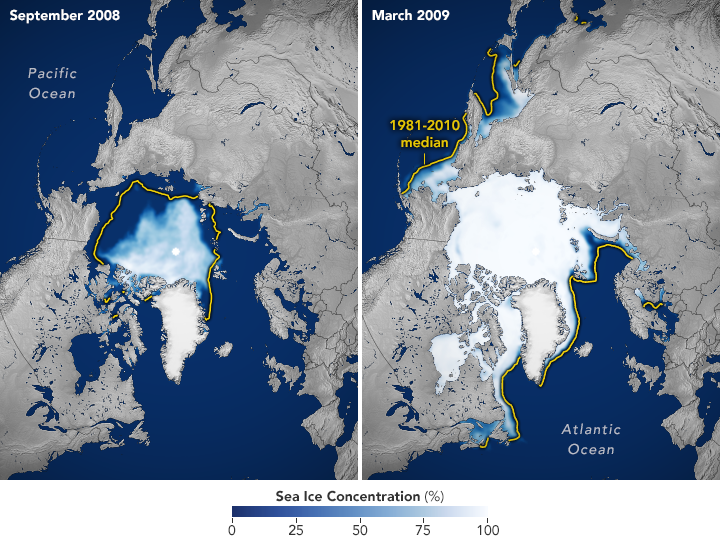
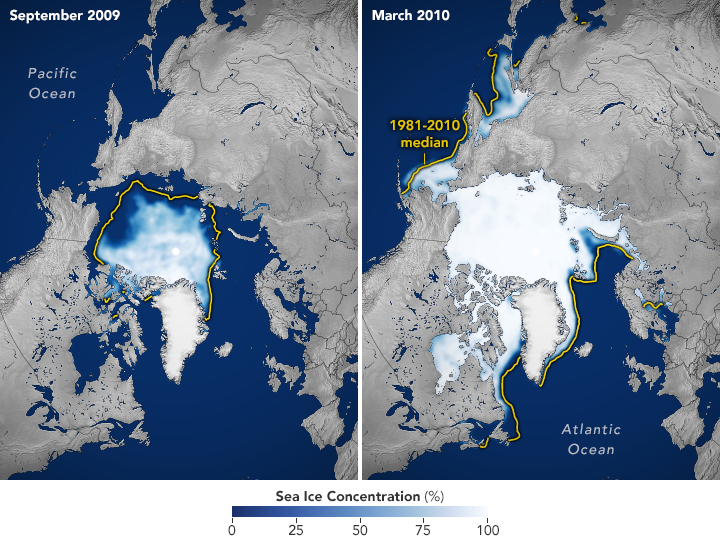
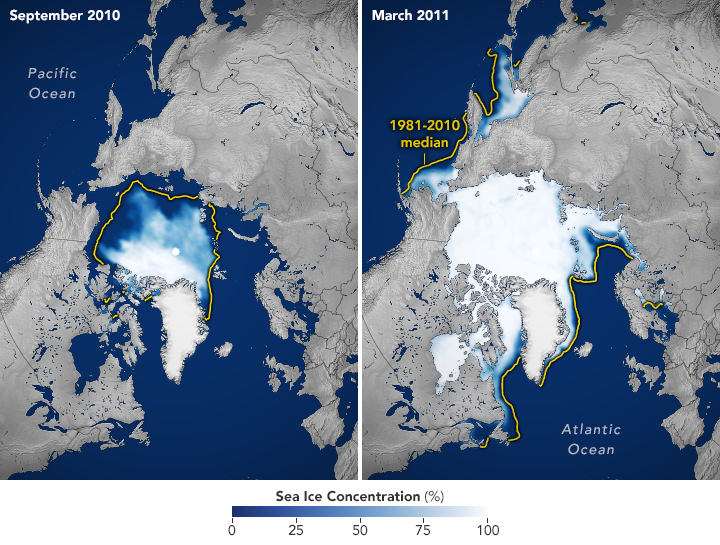
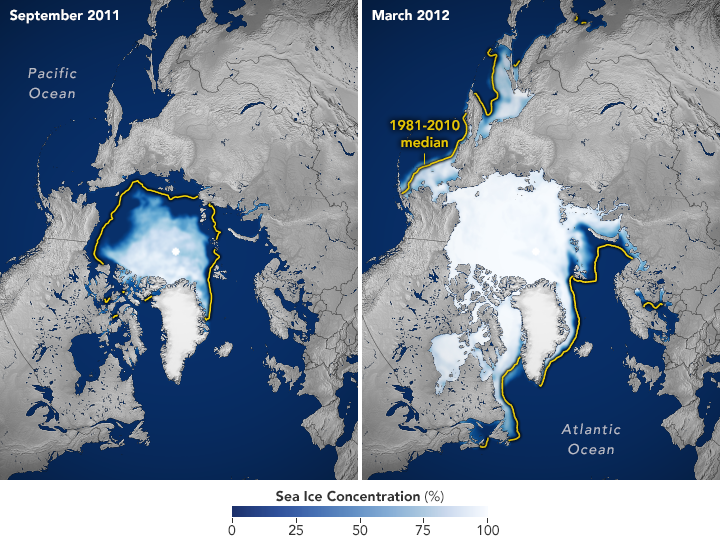
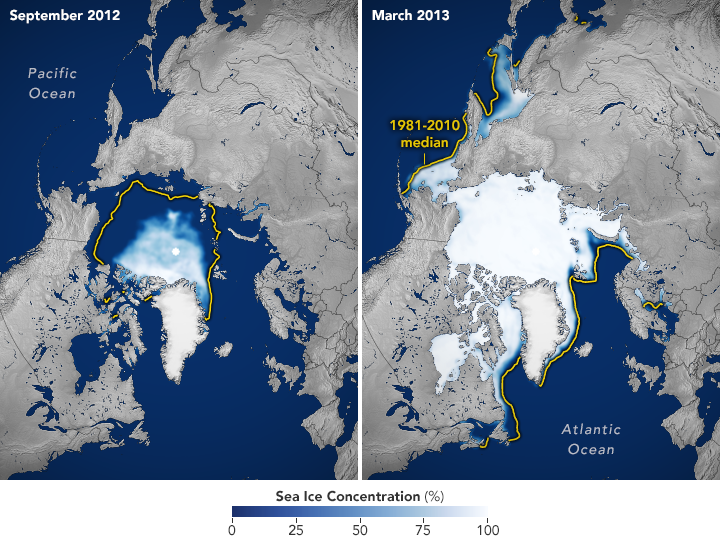
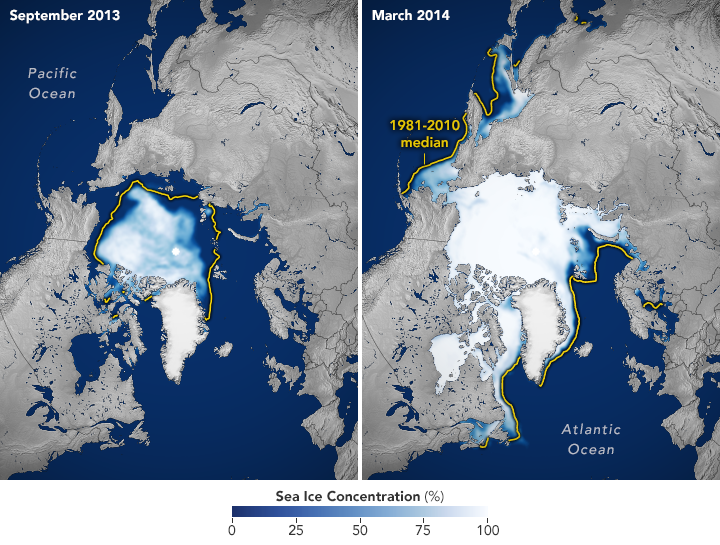
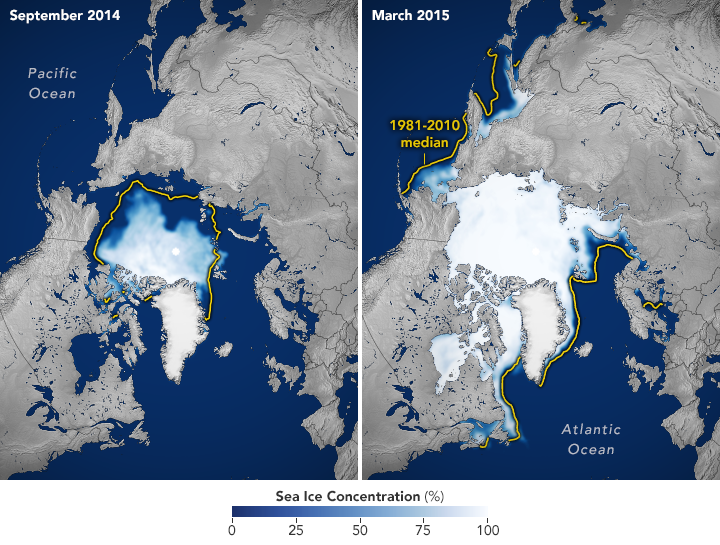
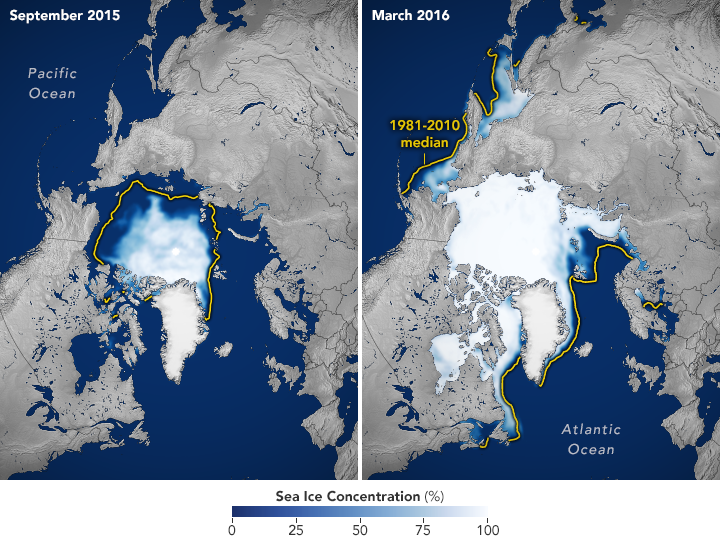
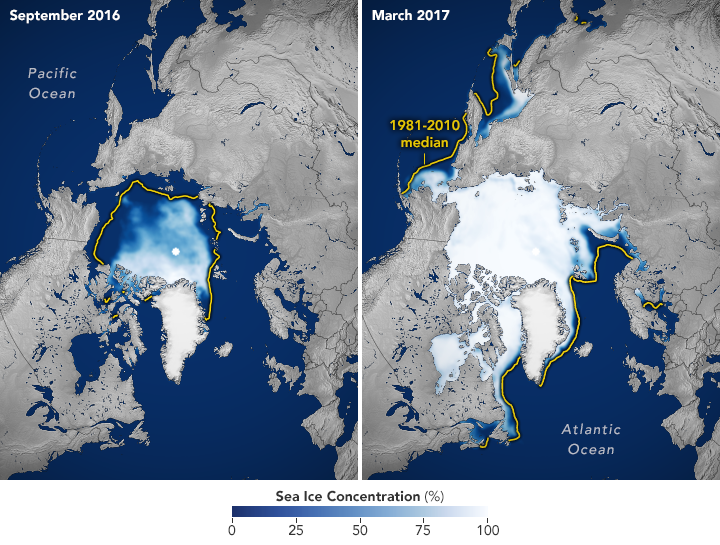
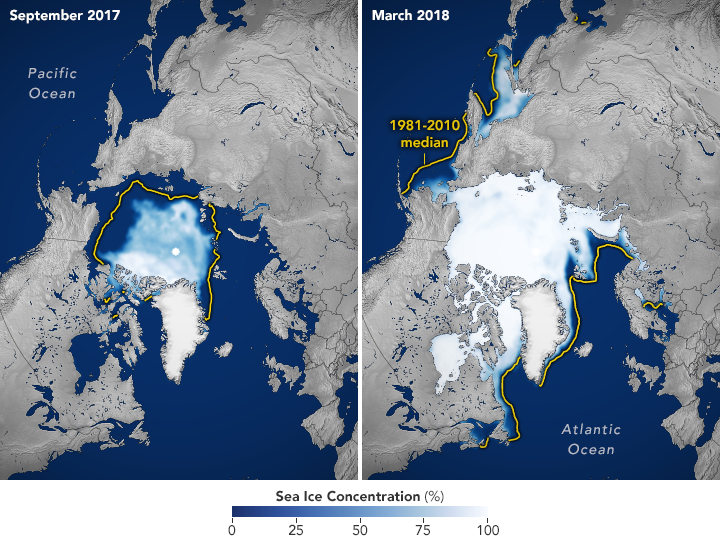
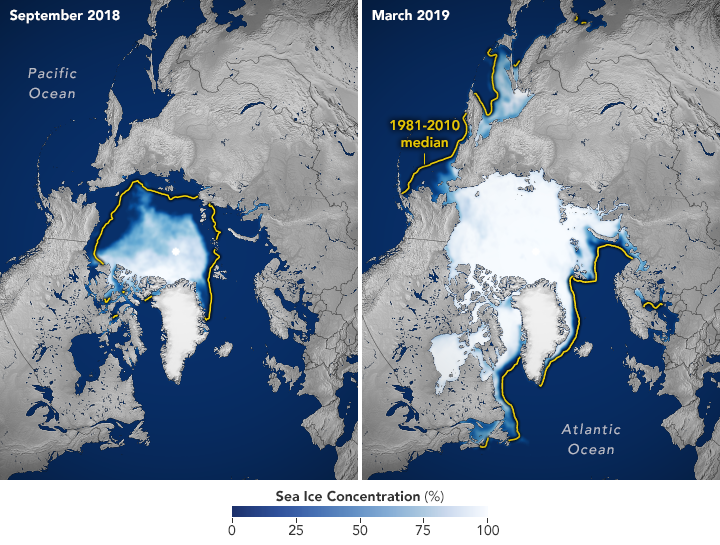
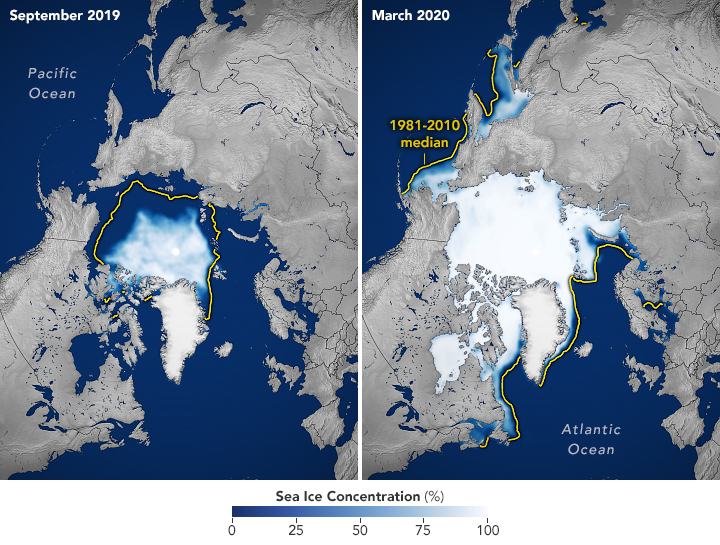
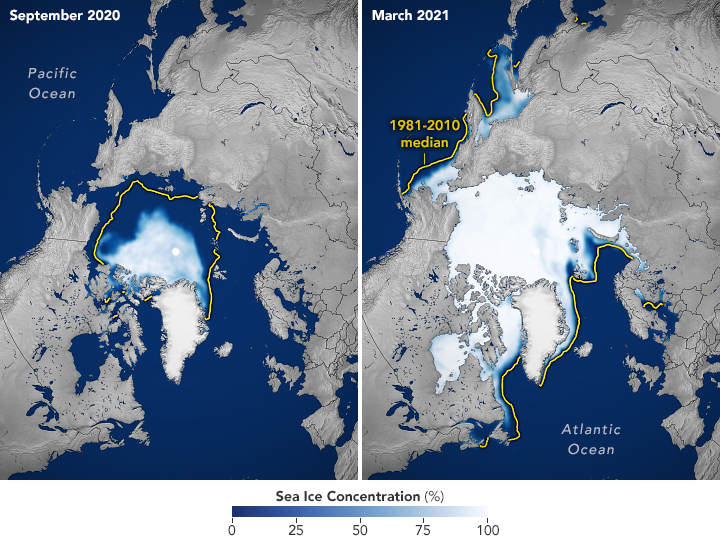
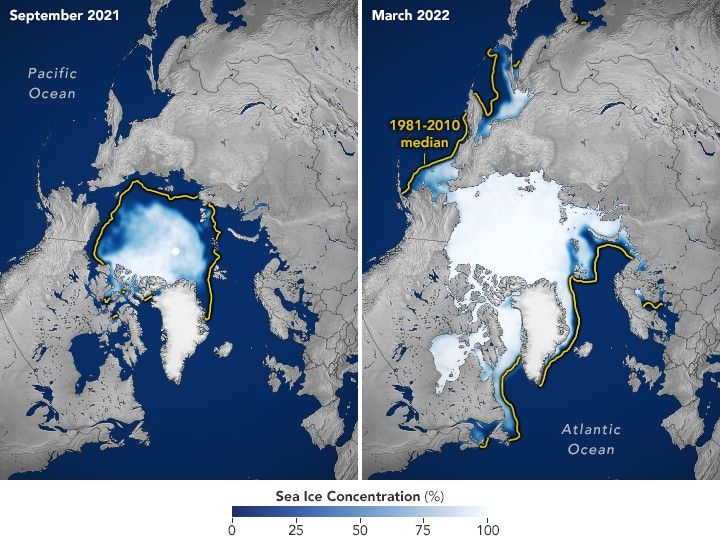
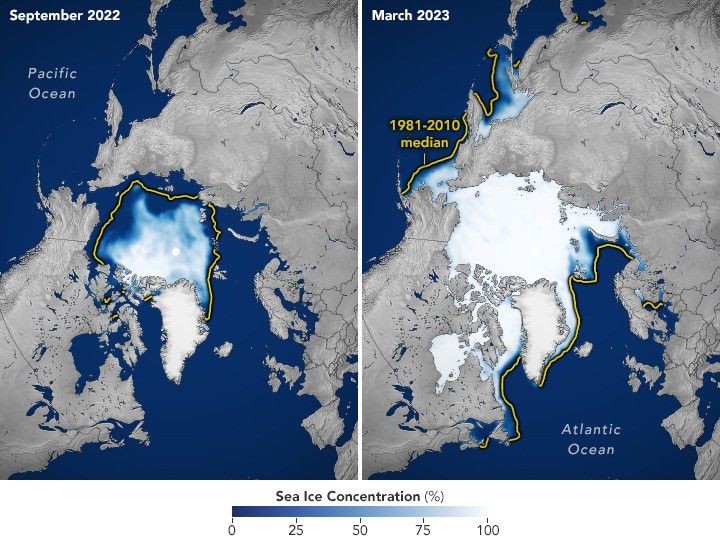
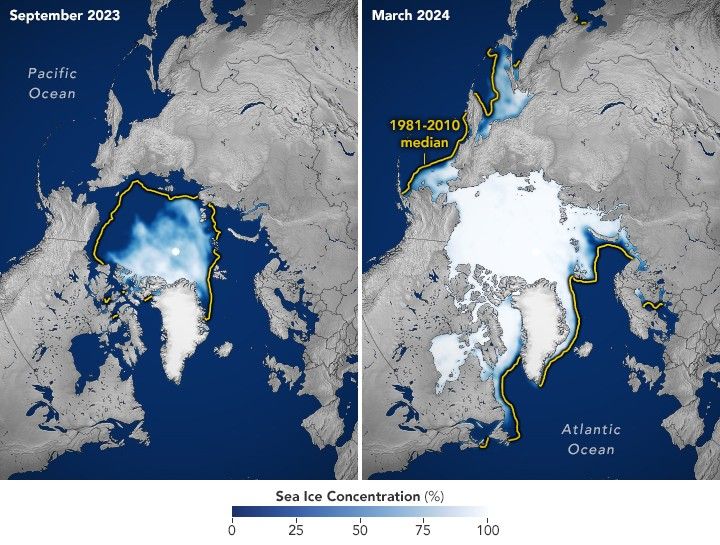
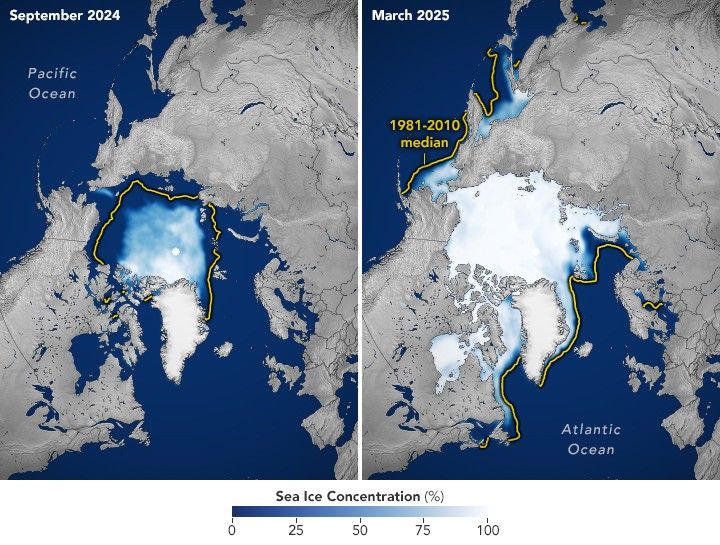
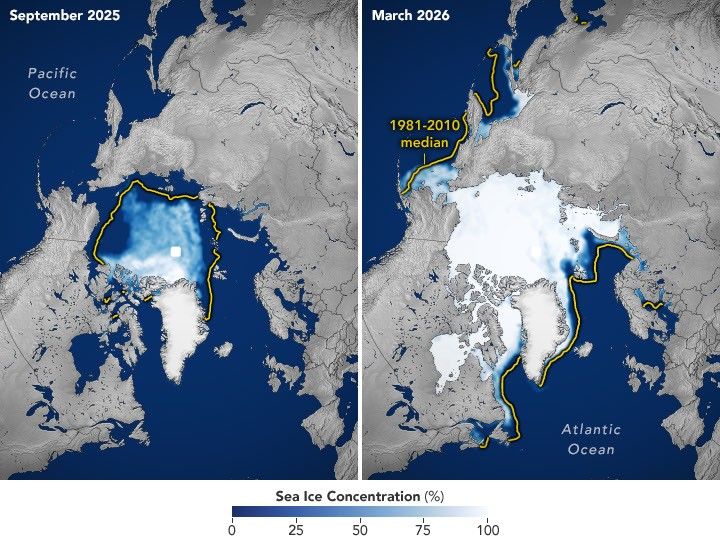
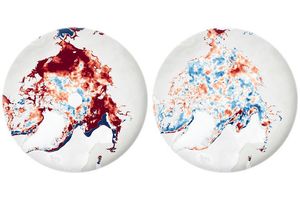
The maps below pair each September since 1990 (left), around the ice’s annual minimum, with the following March (right), near its annual maximum, through March 2026.
Lower Lows, Thinner Ice
Scientists have used satellites to observe the annual growth and retreat of Arctic sea ice continuously since late 1978. While sea ice extent has declined overall during that time, the downward trend steepened in the 2000s and set off a run of record and near-record lows. Each of the past 20 summers, from 2007 through 2026, ranks among the 20 lowest minimum extents in the satellite record. The lowest occurred in September 2012.
More recently, the September sea ice extent has been relatively steady. Weather can make a big difference in how much ice melts from one summer to the next. For example, over the past decade, increased cloud cover has prevented sunlight from accelerating the melt, according to NASA scientists. Despite this recent plateau, the summer minimum remains well below the long-term average.
Across the Arctic, the ice that remains is younger and thinner. Observations show a decline in multiyear ice—that which survives at least one melt season—leaving an Arctic dominated by thinner first-year ice. Winter ice is also shrinking. The March 2026 maximum statistically tied the 2025 maximum for the lowest in the satellite record.
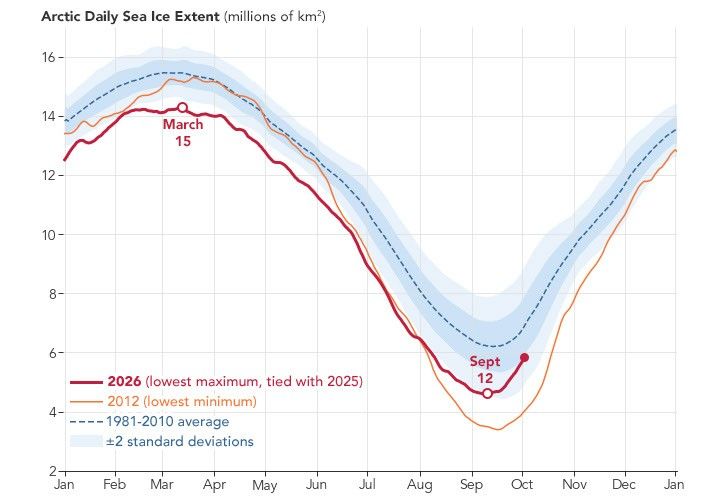
Cycles of natural variability such as the Arctic Oscillation are known to play a role in Arctic sea ice extent, but the decline observed throughout the satellite record cannot be explained by natural variability alone. Natural variability and rising global temperatures have worked together to melt greater amounts of Arctic sea ice. Scientists have projected an essentially ice-free Arctic could occur at least once before the middle of the 21st century.
Seeing Through the Clouds
To determine sea ice extent, scientists rely on satellites with passive microwave sensors that measure the microwave energy Earth naturally emits. Sea ice emits more of this energy than open water, so it stands out in microwave images. Because microwaves pass through clouds, the satellites can observe sea ice regularly, regardless of weather.
The record began in 1978 with data collected by NASA’s Nimbus-7, followed by Defense Meteorological Satellite Program (DMSP) satellites starting in 1987 and NASA’s Aqua satellite between 2002 and 2011. Starting in 2025, scientists began using observations from the Japan Aerospace Exploration Agency’s GCOM-W satellite. The white circle at the center of each image is the “pole hole,” north of which satellite sensors have historically been unable to collect data. The sea ice estimates assume that this hole is ice-filled.
NASA Earth Observatory images by Michala Garrison, using data from the National Snow and Ice Data Center.
References & Resources
- IPCC (2021) Summary for Policymakers. In: Climate Change 2021: The Physical Science Basis. Contribution of Working Group I to the Sixth Assessment Report of the Intergovernmental Panel on Climate Change. Accessed October 6, 2026.
- NASA Earthdata (2026, October) Sea Ice. Accessed October 6, 2026.
- NASA Earth Observatory (2026, October 6) World of Change: Arctic Sea Ice. Accessed October 6, 2026.
- NASA Earth Observatory (2016, September 16) Sea Ice. Accessed October 6, 2026.
- NASA Earth Science (2026, September 23) Arctic Sea Ice Reaches 2026 Annual Minimum Extent. Accessed October 6, 2026.
- National Snow and Ice Data Center (2026, September 23) Arctic sea ice minimum ties for tenth lowest. Accessed October 6, 2026.
- National Snow and Ice Data Center (2026, March 26) Arctic sea ice record low maximum strikes again. Accessed October 6, 2026.
You may also be interested in:
Stay up-to-date with the latest content from NASA as we explore the universe and discover more about our home planet.
While the sea ice melt season has lengthened dramatically in most of the satellite era, the trend unexpectedly stabilized around…

Experts are analyzing decades of images from Landsat satellites for clues about how the iconic birds have responded to sea…

The color of Adélie penguin droppings reveals what the birds are eating, offering scientists a way to track how sea…




NASA to Cover Northrop Grumman CRS-24 Spacecraft Departure
2026-10-06 18:31
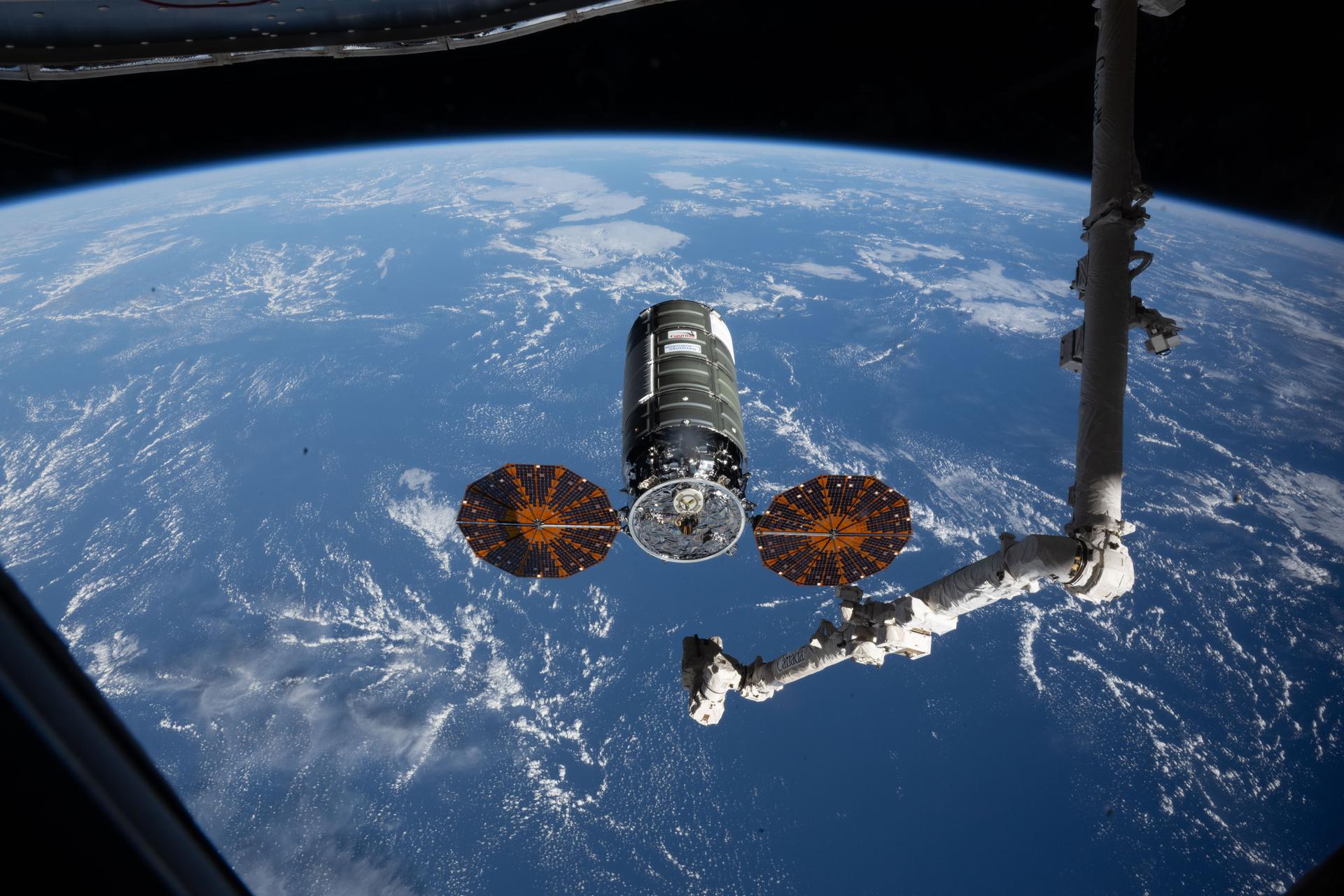
After delivering more than 11,000 pounds of supplies, science experiments, and other cargo to the International Space Station for NASA, Northrop Grumman’s Cygnus XL spacecraft is scheduled to depart Friday, Oct. 9, as part of the company’s Commercial Resupply Services-24 mission, or Northrop Grumman CRS-24.
Watch NASA’s live coverage of undocking and departure beginning at 12:30 p.m. EDT through a variety of platforms. Learn where to watch online:
Flight controllers on the ground will send commands for the space station’s Canadarm2 robotic arm to detach the Cygnus XL spacecraft from the Unity module’s Earth-facing port and maneuver it into position for release at 12:45 p.m. NASA astronaut Luke Delaney will monitor the operation from aboard the orbital complex.
Loaded with thousands of pounds of disposal items and other unneeded cargo, Cygnus XL will deorbit Sunday, Oct. 11, for a destructive re-entry into Earth’s atmosphere, where it will safely burn up. NASA will not provide coverage of the spacecraft’s deorbit.
The resupply spacecraft launched on April 11 on a SpaceX Falcon 9 rocket from Space Launch Complex 40 at Cape Canaveral Space Force Station in Florida.
Learn more about this NASA commercial resupply mission at:
https://www.nasa.gov/mission/nasas-northrop-grumman-crs-24/
-end-
Josh Finch / Jimi Russell
Headquarters, Washington
202-358-1100
joshua.a.finch@nasa.gov / james.j.russell@nasa.gov
Sandra Jones
Johnson Space Center, Houston
281-483-5111
sandra.p.jones@nasa.gov
October 2026 Satellite Puzzler
2026-10-06 18:27
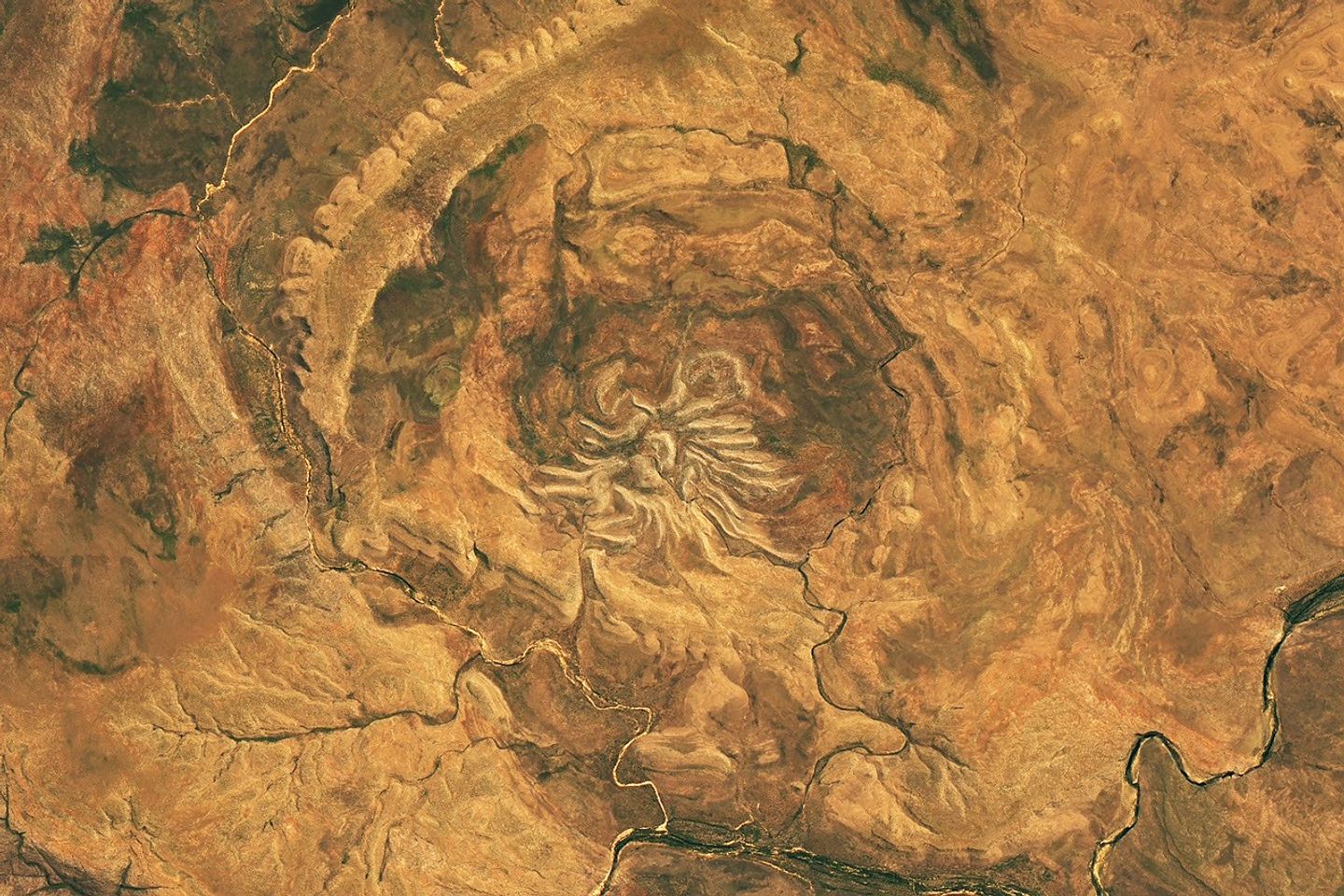
Every month, NASA Earth Observatory features a puzzling satellite image. The October 2026 puzzler appears above.
Your Challenge
Identify the location shown in this satellite image. Share what clues you see, where you think it is, and what makes this place interesting or unique to you.
How to Answer
Submit your response using this form and select “Puzzler Answer” as the topic. Please include your preferred name or alias.
You can keep it simple and just guess the location. Want to impress us? Tell us which satellite and instrument captured the image, which spectral bands were used, or point out a subtle detail about the geology or history of the area. If something catches your eye, or if this is your home or means something to you, we’d love to hear about it.
The Prize
We can’t offer prize money or a trip to space to see Earth like satellites and astronauts do. But we can offer something almost as rewarding: puzzler bragging rights.
About a week after the challenge, we’ll post the answer at the top of this page, along with a link to an Earth Observatory Image of the Day story that explains the image in more detail. We’ll recognize the first person who correctly guesses the location, and we may also highlight readers who share especially thoughtful or interesting answers. By submitting a response, you acknowledge that your comments may be edited, excerpted, and published on this page.
Until then, zoom in, look closely, and enjoy the challenge. See you at the reveal!
TechCrunch - Latest
Healthleap raises $38M for its AI that flags hospital patients who may need a closer look
2026-10-07 15:07
Bloom raises $3.6M to become the ‘Alibaba’ of American manufacturing
2026-10-07 15:00
SpaceX alumni nab $100M to rethink shipping with autonomous freight trains
2026-10-07 15:00
Tony Fadell on why the first wave of AI gadgets failed — and what comes next
2026-10-07 14:41
Google experiments with an AI-powered gaming platform
2026-10-07 14:36