📰 Trending Topics
Google News - Trending
Google News - Technology
'Grand Theft Auto VI' sets record with $3.79B in first-day retail sales, Rockstar Games reports - KSL News
2026-11-23 04:46
- 'Grand Theft Auto VI' sets record with $3.79B in first-day retail sales, Rockstar Games reports KSL News
- Grand Theft Auto Used to Satirize American Life. Now We’ve Caught Up With It. The New York Times
- ‘Grand Theft Auto VI’ is an astonishing American epic The Washington Post
- ‘GTA 6’ Hits Massive $3.79 Billion in First-Day Sales Variety
- Grand Theft Auto VI Shatters Entertainment Box Office Records with $3.79 Billion in Day One Retail Sales Take-Two Interactive Software, Inc.
Kodak’s next collectible is a tiny digital photo frame that doubles as a tracker - The Verge
2026-11-23 03:00
- Kodak’s next collectible is a tiny digital photo frame that doubles as a tracker The Verge
- Kodak SlideTag Review: This E-Ink Equipped, AirTag Keychain Rocks PetaPixel
- Kodachrome makes unexpected comeback as Kodak SlideTag – a cute keychain digital photo frame with built-in tracker Digital Camera World
- Hanging Film Slides on Your Bag? Kodak's New SlideTag Comes with Built-In Location Tracking Popbee
- Kodak’s SlideTag is a tiny digital photo frame and Bluetooth tracker Mezha.net
Apple Black Friday Deals Available Now: AirPods, Apple Watches, MacBooks, and More - MacRumors
2026-11-22 15:09
- Apple Black Friday Deals Available Now: AirPods, Apple Watches, MacBooks, and More MacRumors
- This AirPods Pro 3 deal is the one to grab before Black Friday NBC News
- I’ve tested all of Apple’s AirPods. These are the 10 best early Black Friday deals CNN
- Apple AirPods Pro 3 just dropped to $169.99 for Black Friday USA Today
- Save up to $800 on Macs in B&H's Holiday Apple Sale AppleInsider
Clicks Communicator buyers face a longer wait, but early orders get a bonus - PhoneArena
2026-11-21 21:33
- Clicks Communicator buyers face a longer wait, but early orders get a bonus PhoneArena
- Clicks Communicator Delayed Droid Life
- Clicks Communicator hits a supply chain snag, and it isn’t because of RAM 9to5Google
- Clicks Communicator delay pushes deliveries into 2027, and new buyers face a longer wait Digital Trends
- Clicks Communicator first deliveries reportedly pushed to late January 2027 Mezha.net
One UI 9.5 brings these X new features to Samsung phones - Android Police
2026-11-22 18:00
- One UI 9.5 brings these X new features to Samsung phones Android Police
- Samsung Begins One UI 9.5 Beta Program samsung.com
- A New One UI 9.5 Update Just Fixed A Big Issue With The Galaxy S26 Ultra BGR
- One UI 9.5 could bring native full-sensor video recording to Galaxy phones Android Authority
- Built-In Camera Presets: Samsung Adds Customisable Camera Controls To The Galaxy S26 Trend Hunter
NASA - Breaking News
APOD: 2026 November 23 – The Emergence of Dark Nebula Lynds 1251
2026-11-23 05:05
APOD
Astronomy Picture of the Day
Discover the cosmos! Each day a different image or photograph of our fascinating universe is featured, along with a brief explanation written by a professional astronomer.
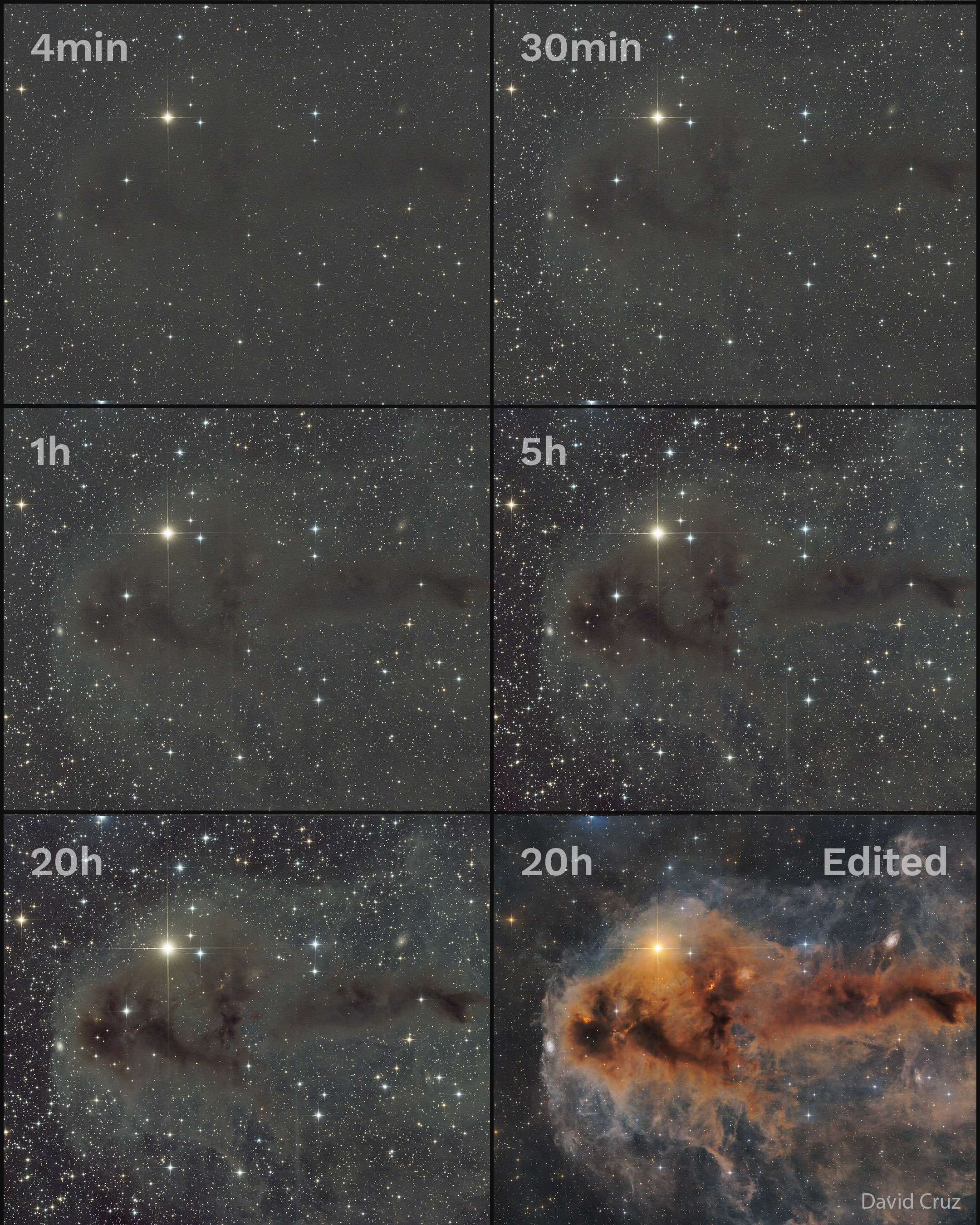
The Emergence of Dark Nebula Lynds 1251
Explanation: If you stare into space for a long time, what might you see? At first, you might only see the usual brightest stars, but if your eyes (or camera) could continue to collect light, you would see increasingly more. In the direction of the featured image, after only a few minutes, you would begin to notice some regions without stars. As your staring continued, the dark region would become better defined, and after a full 20 hours, you would notice a strange dark structure. To celebrate, you use digital processing to brighten the image and enhance the colors. At the end, you might have an excellent image of Lynds 1251 (LDN 1251), a star-forming region laced with opaque brown-appearing interstellar dust. Also known as the Rotten Fish Nebula, LDN 1251 is home not only to young stars and dust, but also, your long staring indicates, energetic shock waves, fast stellar winds, and powerfully beamed jets.
Tomorrow’s picture: galaxies ringing
| Date: | November 23, 2026 |
|---|---|
| Credit & Copyright: | David Cruz |
| Authors & editors: | Robert Nemiroff, Jerry Bonnell, Cecilia Chirenti, Keighley Rockcliffe |
| A service of: |
ASD at NASA / GSFC, NASA Science Activation & Michigan Tech. U. |
Laser Focus at the Top of the World
2026-11-23 05:01

More than 60 years ago, scientists at NASA’s Goddard Space Flight Center aimed a laser skyward and fired a pulse of light at an orbiting satellite equipped with special reflectors. By measuring the time it took for the light to return, they demonstrated a new, more precise method for tracking satellites.
Since then, satellite laser ranging (SLR) has grown more precise and more widely used. The technique now underpins many aspects of Earth observation, such as validating satellite orbits and mapping subtle changes to Earth’s surface. Pioneered at the Goddard Optical Research Facility—now the Goddard Geophysical and Astronomical Observatory—laser ranging is performed at more than 40 stations worldwide.
In 2026, the next generation of SLR, developed by NASA scientists and tested at Goddard, began to come online. On October 12, a faster, even more precise SLR system officially debuted at the Ny-Ålesund Geodetic Observatory in Svalbard, Norway, operated by the Norwegian Mapping Authority, a NASA partner. The observatory’s remote location in the Arctic archipelago is shown in this image, acquired with the OLI (Operational Land Imager) on Landsat 9 in July 2026. It is the first NASA next-generation SLR system in operation and the northernmost SLR facility on Earth.
While the systems developed decades ago have been “workhorses” of the global laser tracking network, their age and the growing number of satellites have necessitated updates, said Stephen Merkowitz, project manager for NASA’s Space Geodesy Project. “We wanted newer systems that could track more objects, and track them more accurately and precisely,” he said.
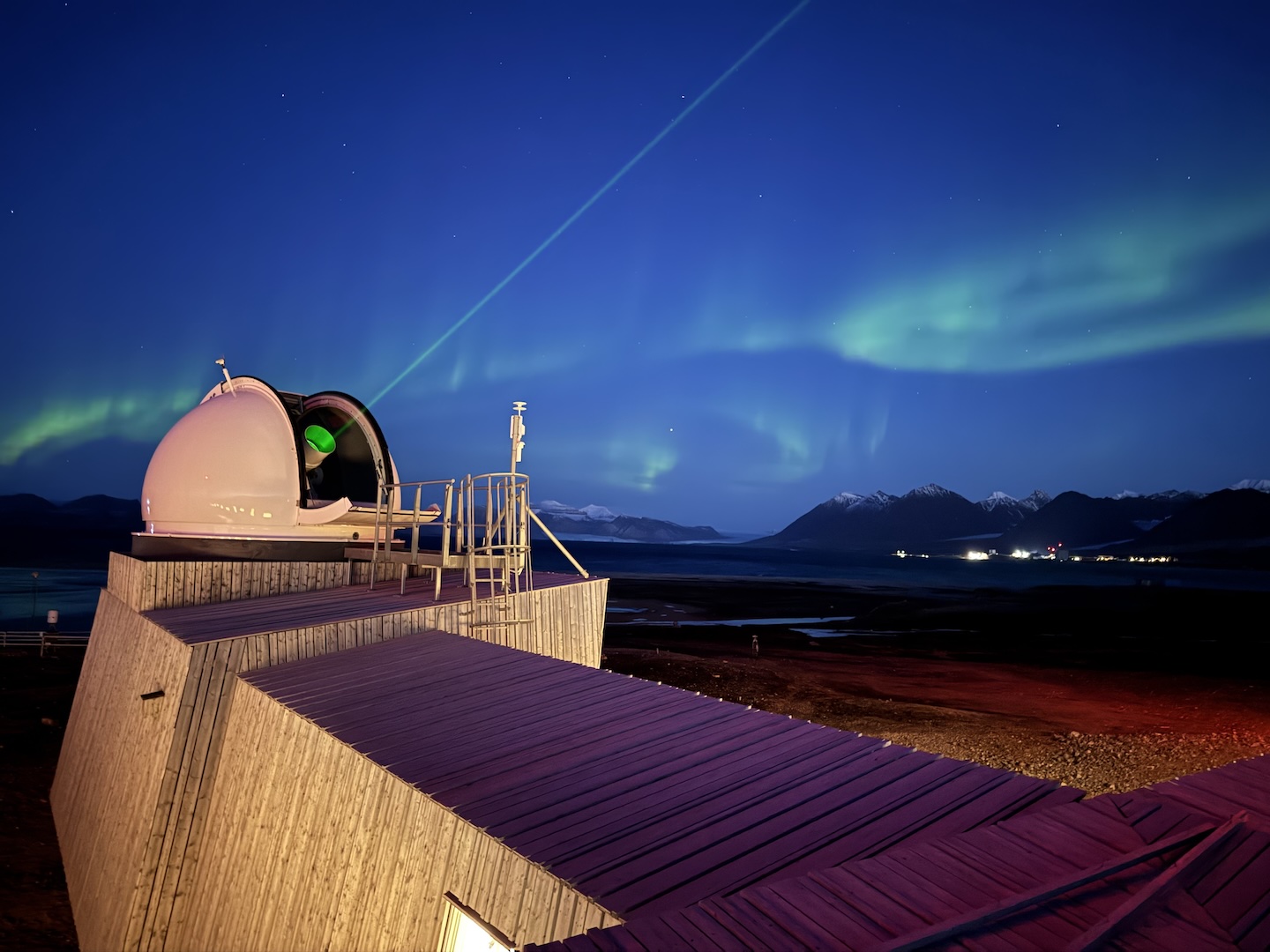
Years of development, testing, and careful calibration produced the Space Geodesy Satellite Laser Ranging system now running at Ny-Ålesund. Among its features are lasers that can fire pulses thousands of times per second, up from tens of times per second, and sensors that can detect single photons, meaning that less light needs to be reflected back from a satellite.
Along with determining the orbits of satellites, SLR is critical for establishing the terrestrial reference frame, the foundation of modern coordinate systems and a common standard that allows measurements to be compared with one another. “If you want to know where your satellite observation is on a map, you need to have it in the proper reference frame,” Merkowitz said. In addition, tracking Earth’s center of mass, measuring changes in sea level and ice mass, studying the motion of tectonic plates, and maintaining global navigation satellite systems such as GPS, all rely on an accurate reference frame.

The far-north location of the Ny-Ålesund facility improves the distribution of SLR stations across the planet, making the whole network more robust. The location also allows the system to gather more data about polar-orbiting satellites, which include ICESat-2, GRACE-FO, and other Earth observation satellites. “From the station at Goddard [in Greenbelt, Maryland], we’ll catch the polar-orbiting satellites maybe two or three times a day,” Merkowitz said. “But from Ny-Ålesund, you’ll see them almost every orbit.”
Certain satellite missions may especially benefit from the Arctic location, he added. Take ICESat-2, designed to make precise observations of ice surface heights. Having a station tracking the satellite from an icy polar region could lead to more accurate measurements there. “When it’s over the ice, we want the calibration to be as good as possible,” Merkowitz said.
Innovations and lessons learned from the Svalbard installation will carry over to future ones, Merkowitz said. In particular, the Ny-Ålesund facility drove improvements in automation because the site is located next to a bird sanctuary. Access restrictions require the station to be remotely operated at certain times, such as during the summer breeding season for migratory birds. These capabilities can be refined and applied at other stations. NASA is currently building two more next-generation SLR systems to replace legacy instruments at Goddard and the McDonald Geodetic Observatory in Texas.
NASA Earth Observatory images by Lauren Dauphin, using Landsat data from the U.S. Geological Survey. NASA photo by Julie Horvath (KBR). Story by Lindsey Doermann.

References & Resources
- McGarry, J.F., et al. (2019) NASA’s satellite laser ranging systems for the twenty-first century. Journal of Geodesy, 93, 2249–2262.
- NASA (2014, November 13) How Satellite Laser Ranging Got its Start 50 Years Ago. Accessed November 20, 2026.
- NASA Geodesy and Geophysics, Laser Ranging – Satellite (SLR) and Lunar (LLR). Accessed November 20, 2026.
- NASA Geodesy and Geophysics, Ny-Ålesund, Norway. Accessed November 20, 2026.
- NASA Jet Propulsion Laboratory, What is a Terrestrial Reference Frame? Accessed November 20, 2026.
- NASA Scientific Visualization Studio (2022, March 29) The Geocenter of the Earth Is Changing (And Why That Matters). Accessed November 20, 2026.
- Norwegian Mapping Authority (2026, October 15) World’s northernmost satellite laser put into operation in Ny-Ålesund. Accessed November 20, 2026.
- Norwegian Mapping Authority (2022, May 3) Geodesy at the top of the world. Accessed November 20, 2026.
You may also be interested in:
Stay up-to-date with the latest content from NASA as we explore the universe and discover more about our home planet.

The tilt in Earth’s axis of rotation makes the apparent position of continents shift with the seasons in imagery from…
New animations from NASA’s PREFIRE mission reveal two years of seasonal temperature swings at the Arctic and Antarctic.

A bright lens of anorthosite, a rock type prevalent on the lunar surface, is cradled within sheared rocks in the…


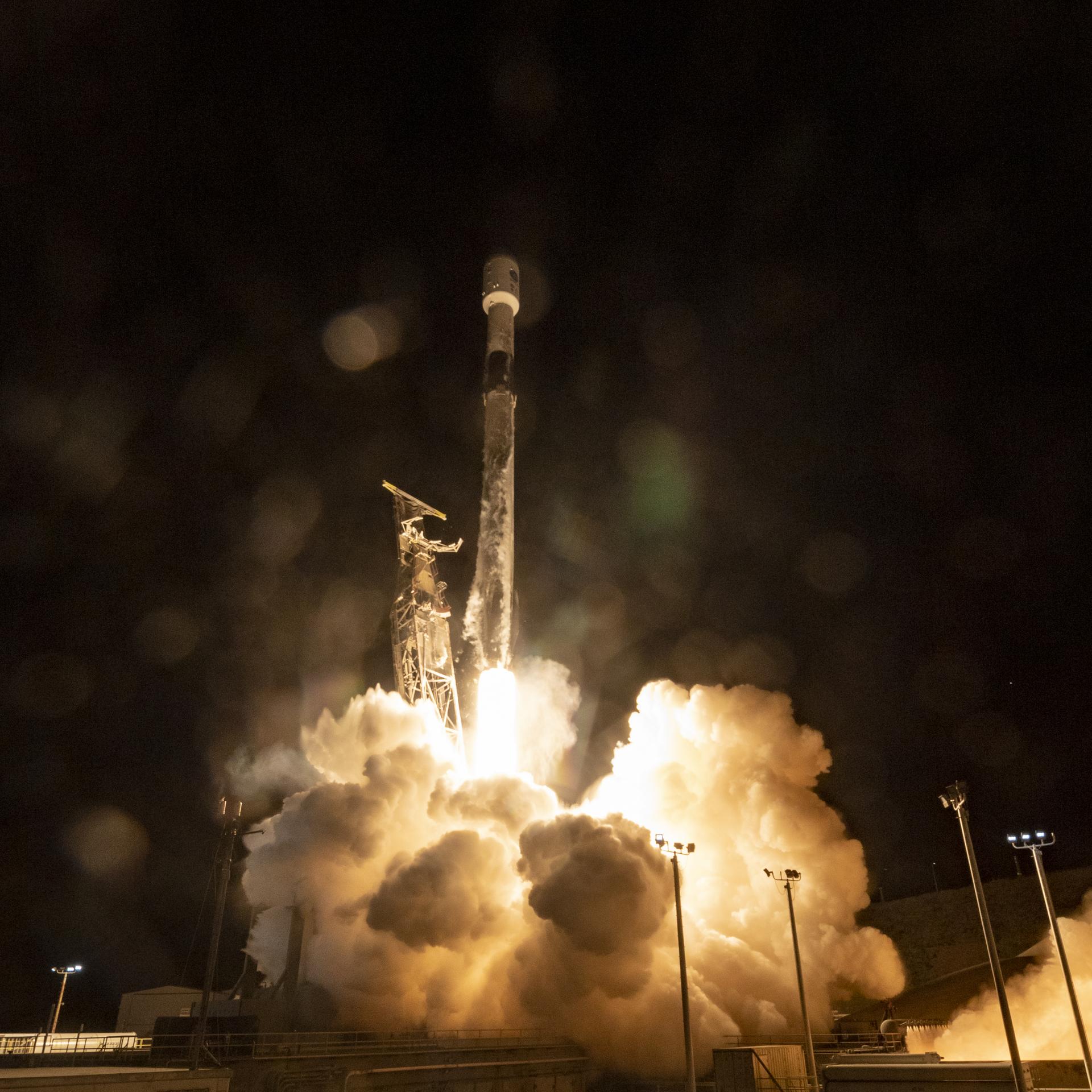

65 Years of Human Spaceflight at NASA Johnson
2026-11-22 19:13
65 Years of Human Spaceflight at NASA Johnson
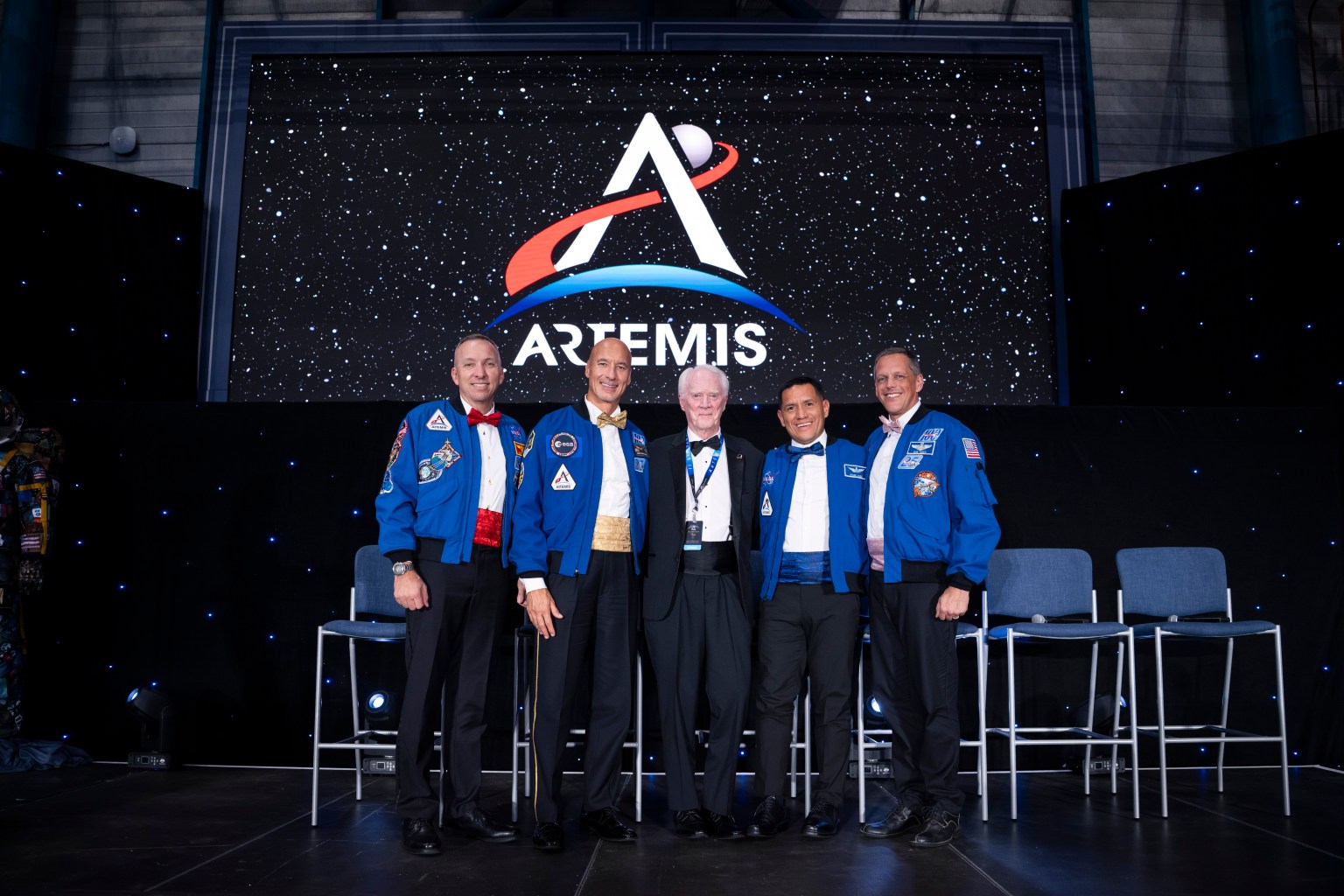
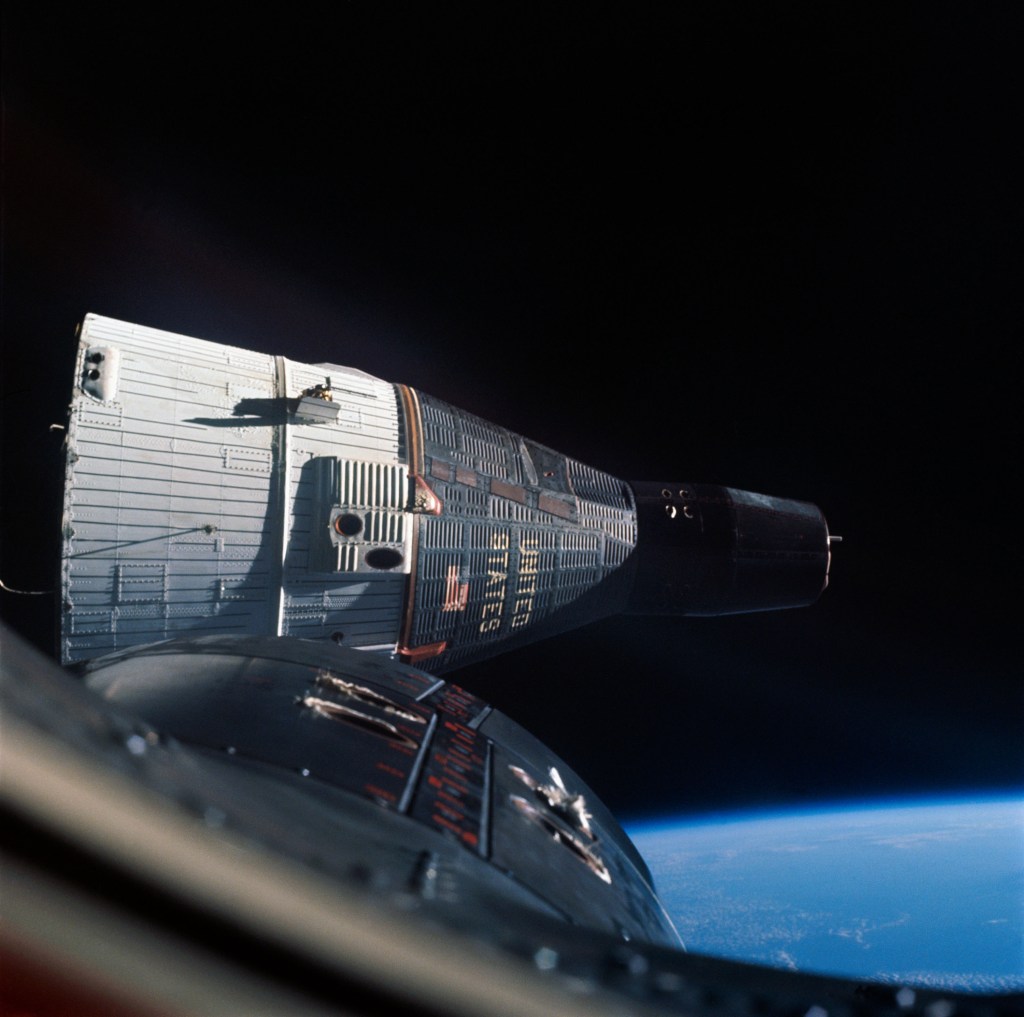
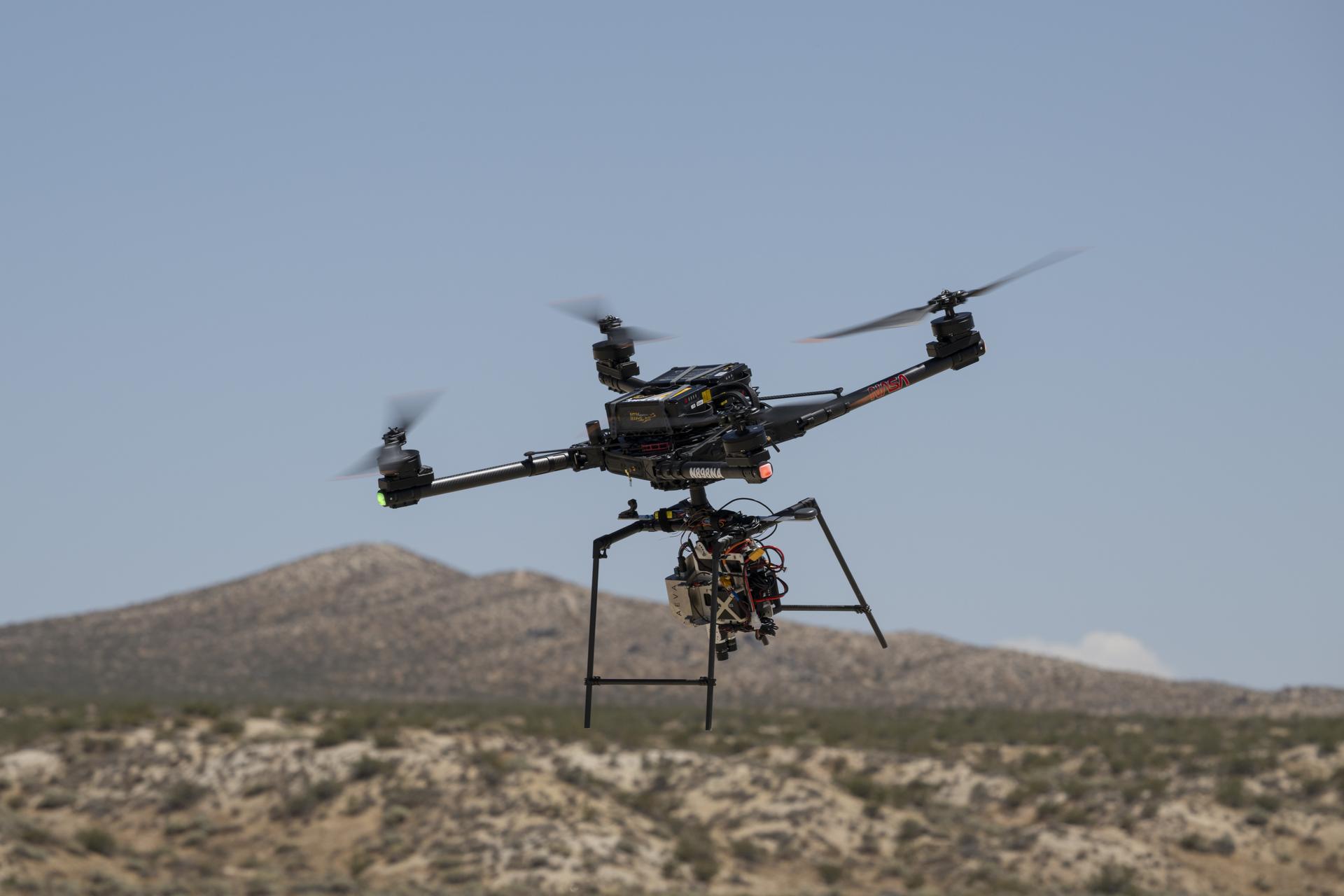
For 65 years, NASA’s Johnson Space Center in Houston has helped shape human spaceflight, from the Gemini missions that demonstrated rendezvous and docking techniques needed for Apollo to the research conducted aboard the International Space Station, which has supported a continuous human presence for more than 26 years. Today, Johnson teams are preparing crews and systems for NASA’s next chapter: returning astronauts to the lunar surface and building the capabilities needed for a long-term human presence at the Moon.
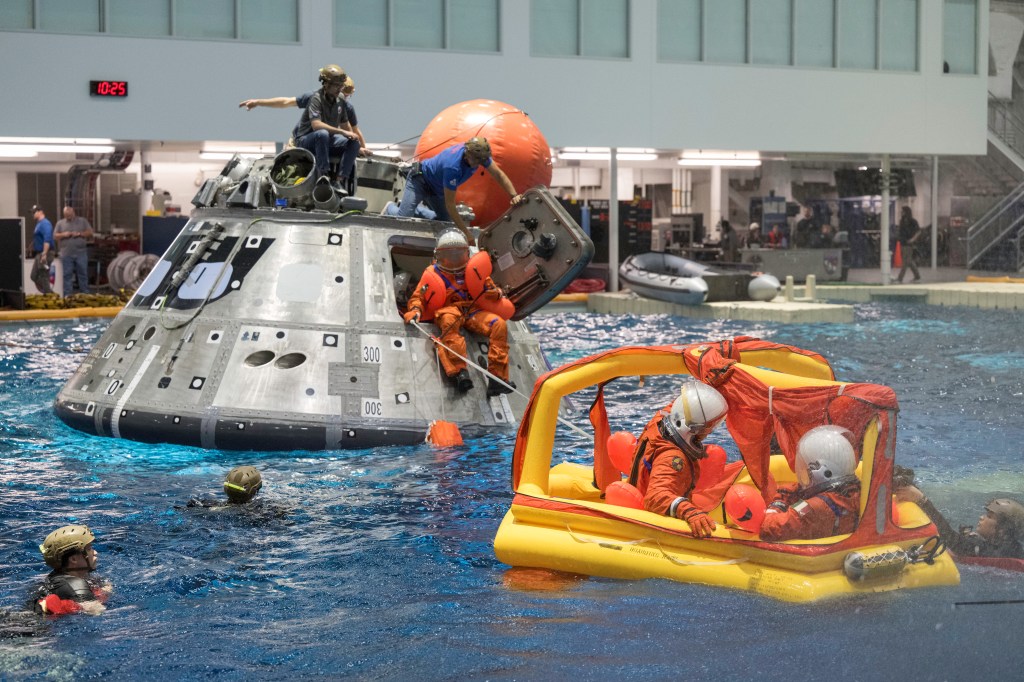
Across those missions, generations of flight controllers, engineers, scientists, instructors, medical specialists, and other experts have helped crews live and work beyond Earth. Johnson is home to NASA’s Orion and Moon Base programs, and its teams continue to support space station operations, astronaut training, spacecraft development, mission operations, and human health.
Mercury and Gemini: Preparing for Apollo
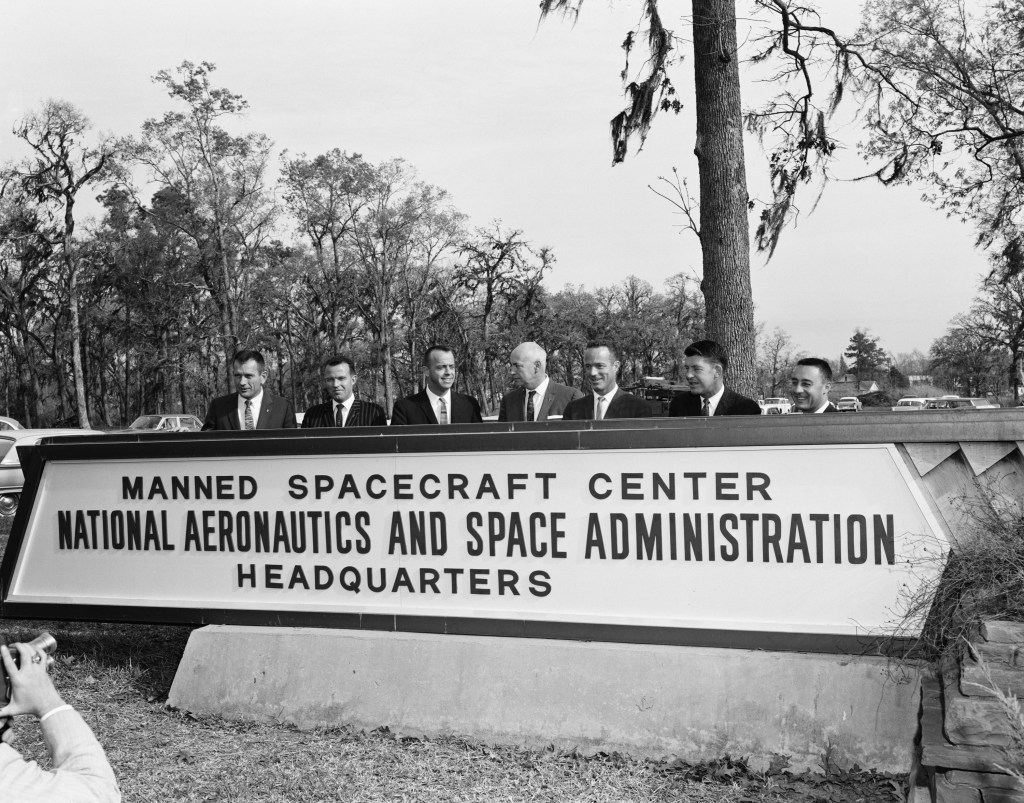
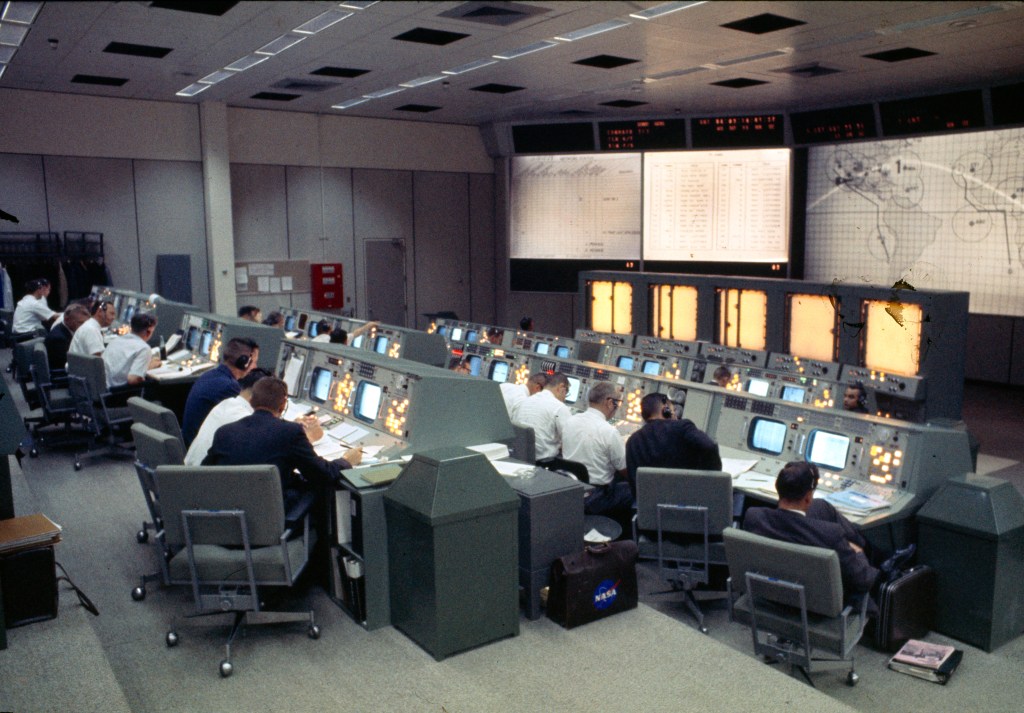
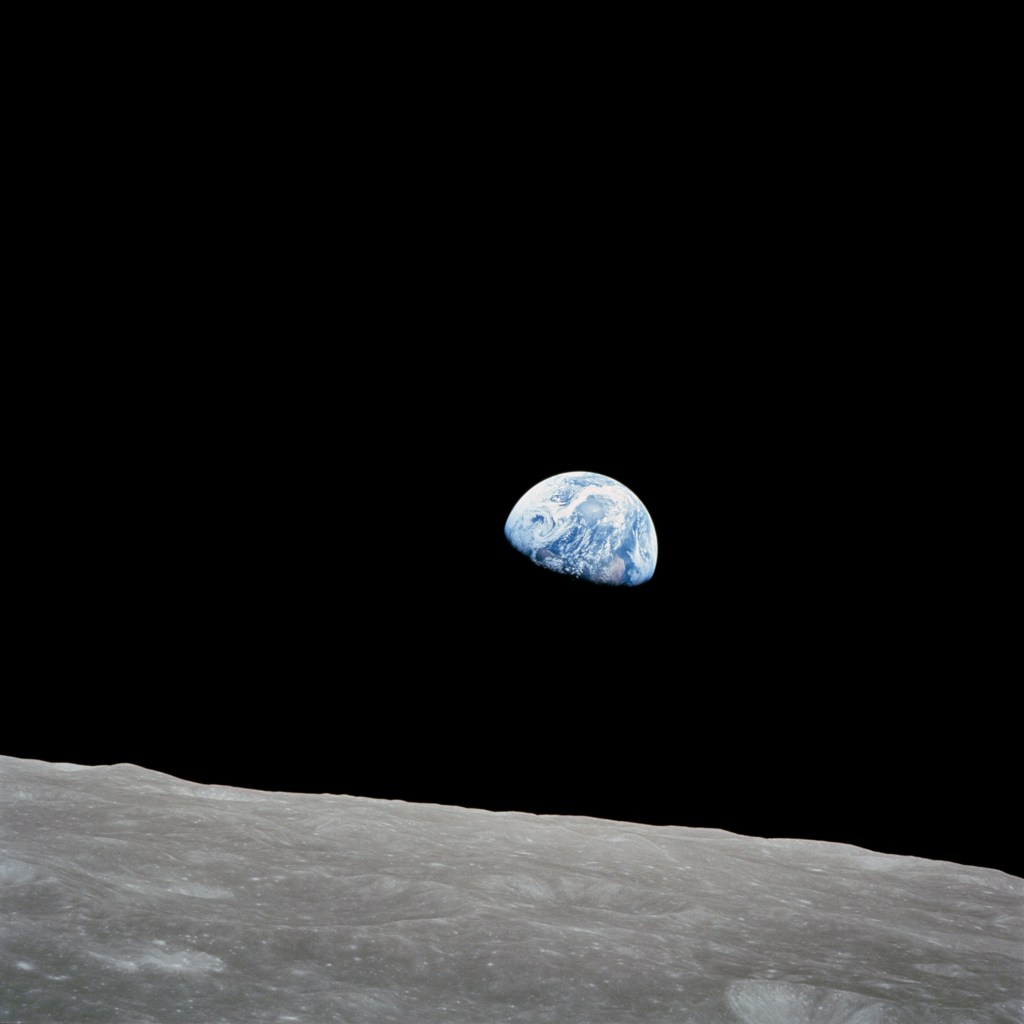
When the Manned Spacecraft Center officially opened on Nov. 1, 1961, NASA had already flown two suborbital Mercury missions, with the first orbital flight just months away. Most Project Mercury activities remained at Cape Canaveral in Florida to maintain continuity, but the new Project Gemini took up residence in Houston, housed in temporary leased facilities across the city while construction of the new Clear Lake campus continued. The new Mission Control Center became NASA’s primary flight control center in June 1965, with the Gemini IV mission that included the first American spacewalk. Houston became the nerve center for American human spaceflight, overseeing the remaining eight Gemini missions before transitioning to the Apollo program. Following the tragic Apollo 1 fire in January 1967, managers, engineers, and astronauts at the Manned Spacecraft Center applied lessons learned to make the spacecraft safer and ensure the safety of its astronauts, resuming crewed missions in October 1968. Managers in Houston devised a daring plan to send Apollo 8 on a circumlunar flight.
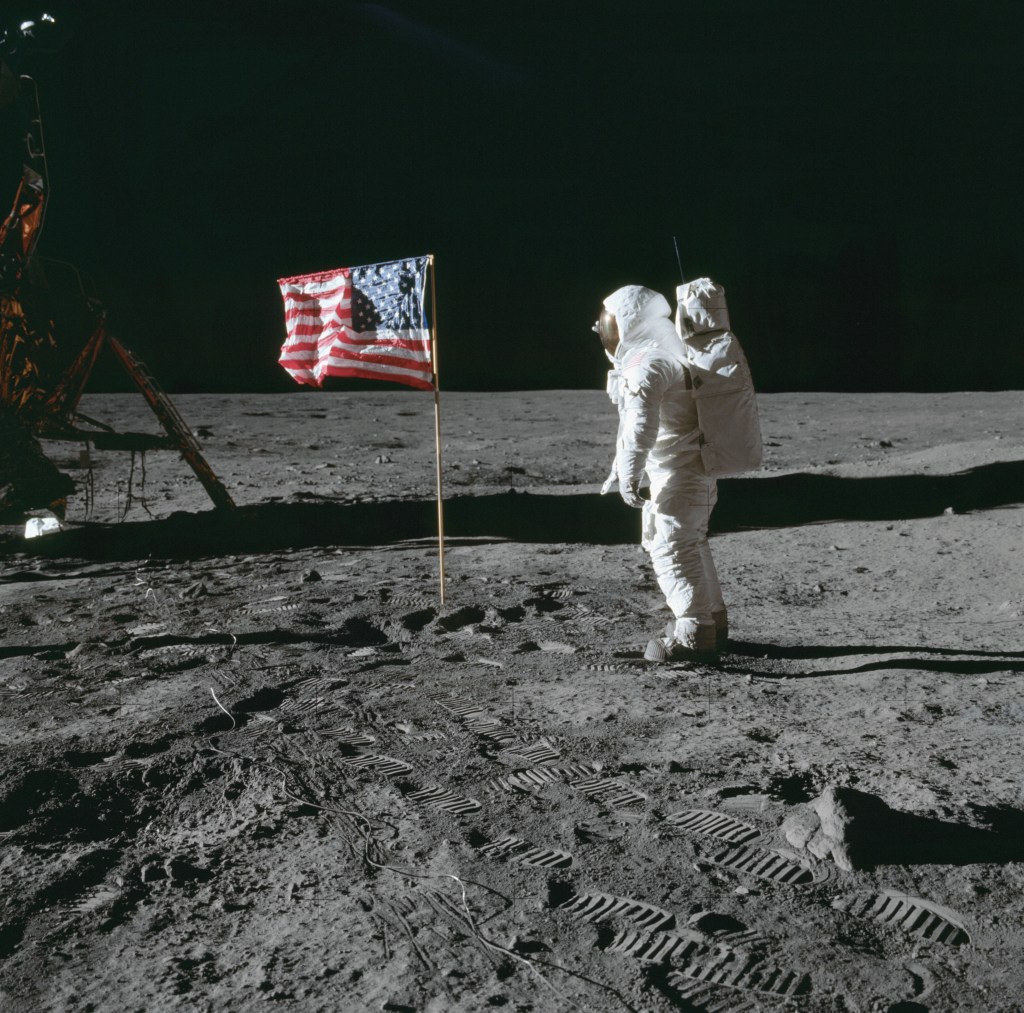
In December 1968, Apollo 8 made its historic trip around the Moon, and seven months later Apollo 11 astronauts Neil Armstrong and Edwin “Buzz” Aldrin landed on the lunar surface. Their first voice transmission back to Earth after their arrival began with the word “Houston.” Five more Moon landings completed the Apollo program and humanity’s first phase of lunar exploration in December 1972.
Following the Moon landings, scientists at the Manned Spacecraft Center’s Lunar Receiving Laboratory conducted initial analyses of Apollo lunar samples and prepared them for researchers around the world. After the building was demolished in March 2024, the Lunar Receiving Park was dedicated to honor the laboratory’s history in 2026. Today, Johnson’s Astromaterials Research and Exploration Science (ARES) division continues to analyze and curate the Apollo collection at the Lunar Sample Laboratory Facility.
Skylab and Apollo-Soyuz: Learning to Live and Work in Space
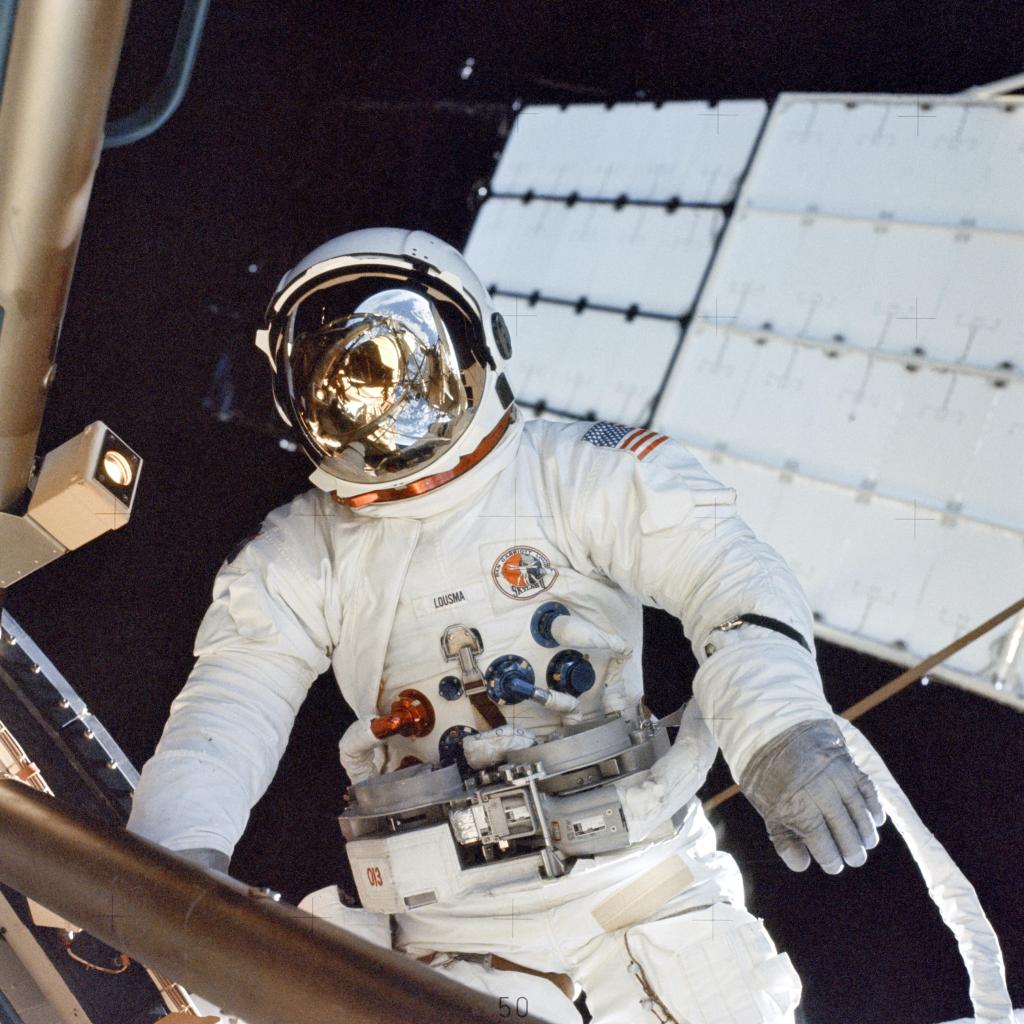
Skylab, America’s first space station, ran into trouble during its launch in May 1973, losing its thermal shield, jamming one solar array and losing the other one. In less than 10 days, engineers in Houston designed and built a sun shield and generated procedures to free the jammed array, followed by the first extensive in-orbit repair activities by the first Skylab crew. The three missions lasting 28, 59, and 84 days accomplished more research than planned, demonstrated the value of humans on long-duration missions, and provided operators in mission control with round-the-clock experience monitoring long duration human spaceflights.
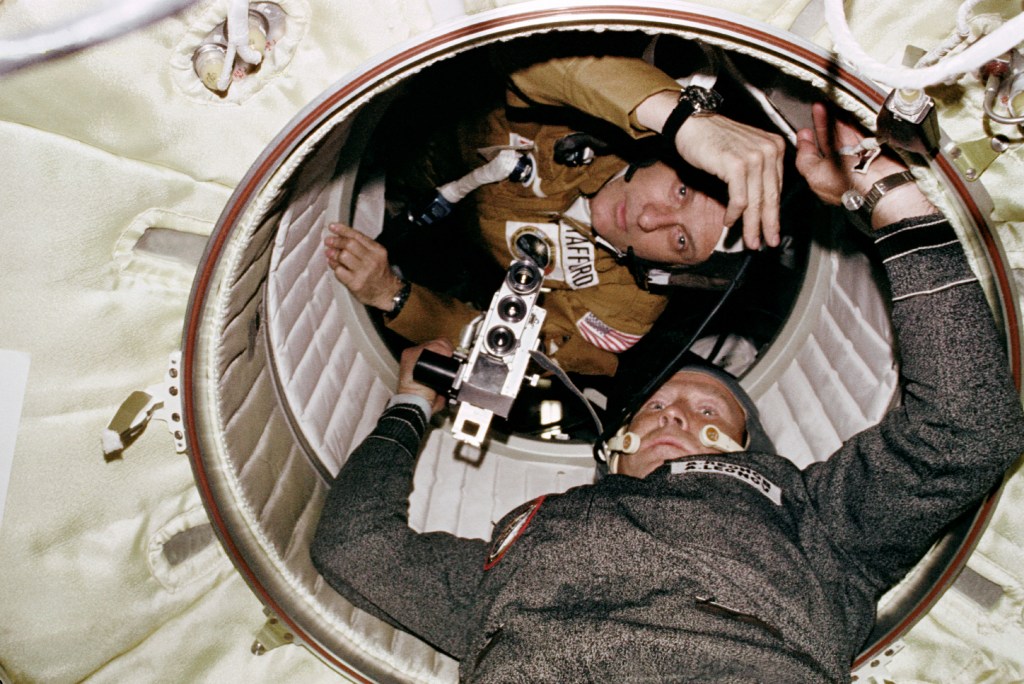
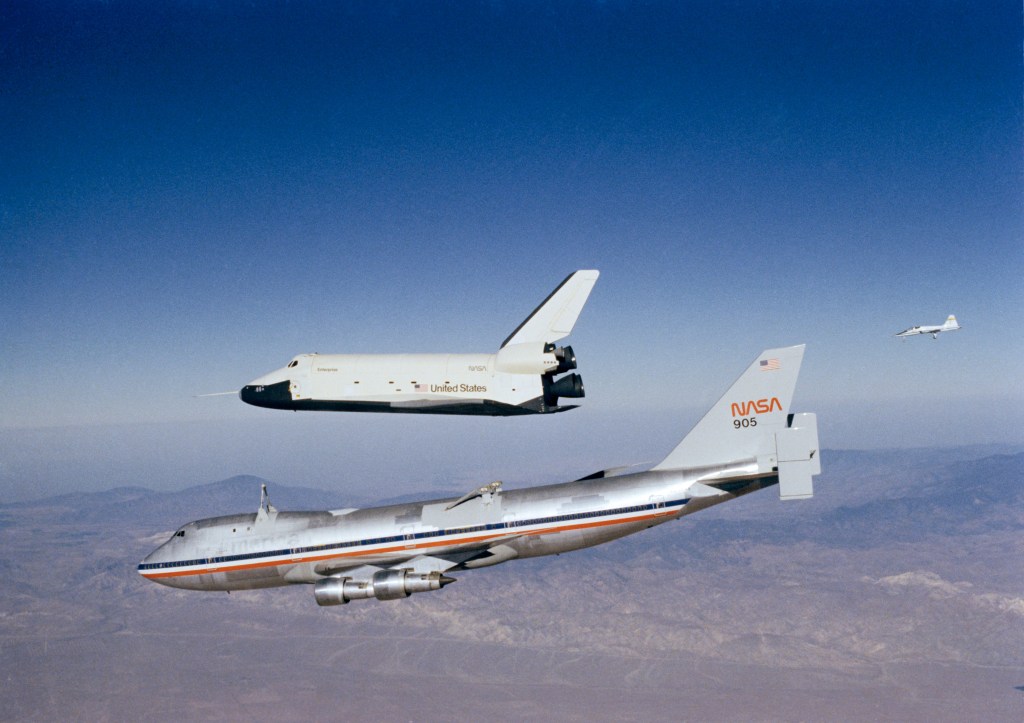
In July 1975, after several joint training sessions in Houston and Moscow, American astronauts and Soviet cosmonauts met in space for the first time during the Apollo-Soyuz Test Project. Approved as a project in 1972, five approach and landing tests of the space shuttle using orbiter Enterprise paved the way for the first orbital mission of Columbia in 1981.

The Space Shuttle: Setting the Stage for Long-Duration Spaceflight
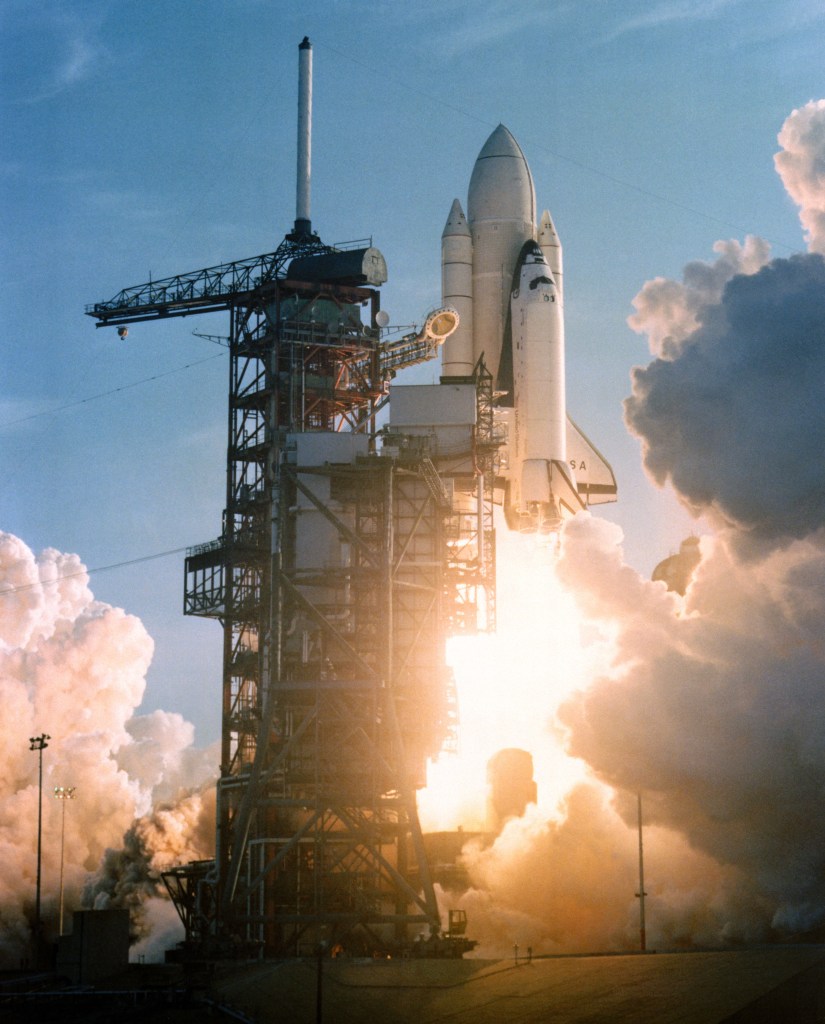
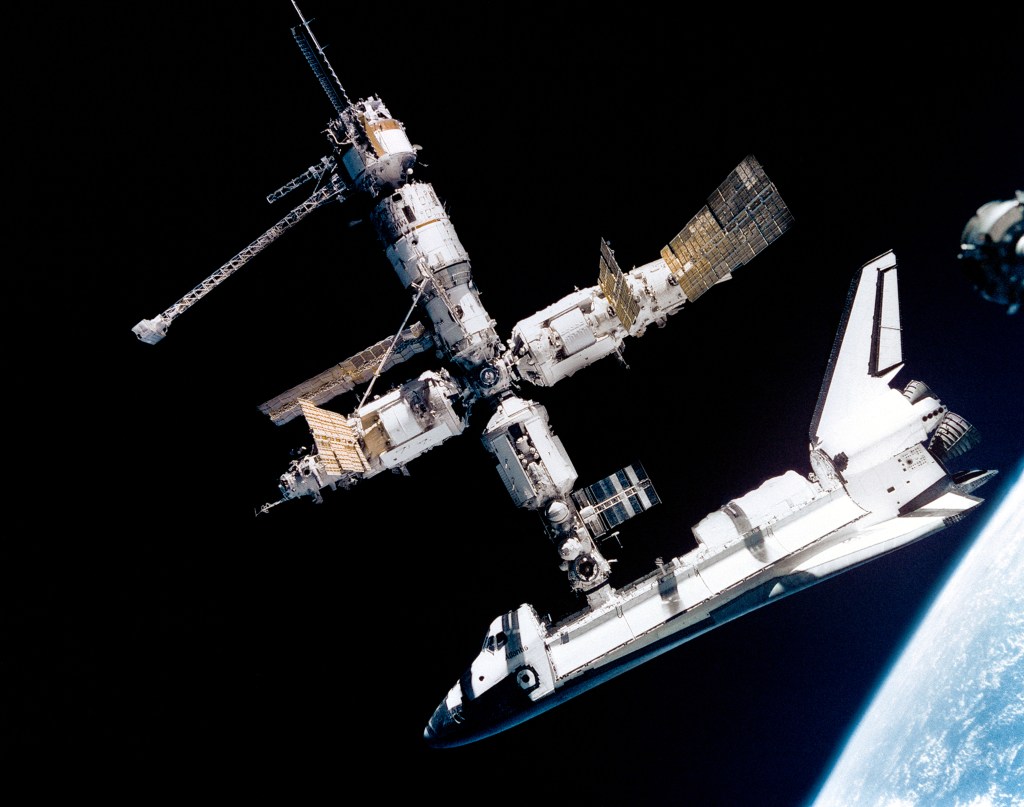
Engineers in Houston began designs for a reuseable space plane in the late 1960s, with the space shuttle receiving formal approval in 1972. During the 1970s, Johnson Space Center put in place the training and simulation facilities that astronauts used for the life of the program. Upgrades to mission control enabled the use of the latest technologies to support ever more complex space shuttle missions. The April 1981 launch of space shuttle Columbia inaugurated a new era of reusable spacecraft. The program’s 135 missions flew 355 individuals from 16 nations. Missions included satellite deployments and retrievals, dedicated Department of Defense flights, a variety of science missions including deployment of planetary spacecraft, ferrying crews and cargo to two different space stations, and doing the heavy lifting in the assembly of the orbiting laboratory. The program recovered from the tragic losses of the Challenger and Columbia crews with renewed emphasis on crew safety. The final space shuttle mission, STS-135, closed out the 30-year program in July 2011.

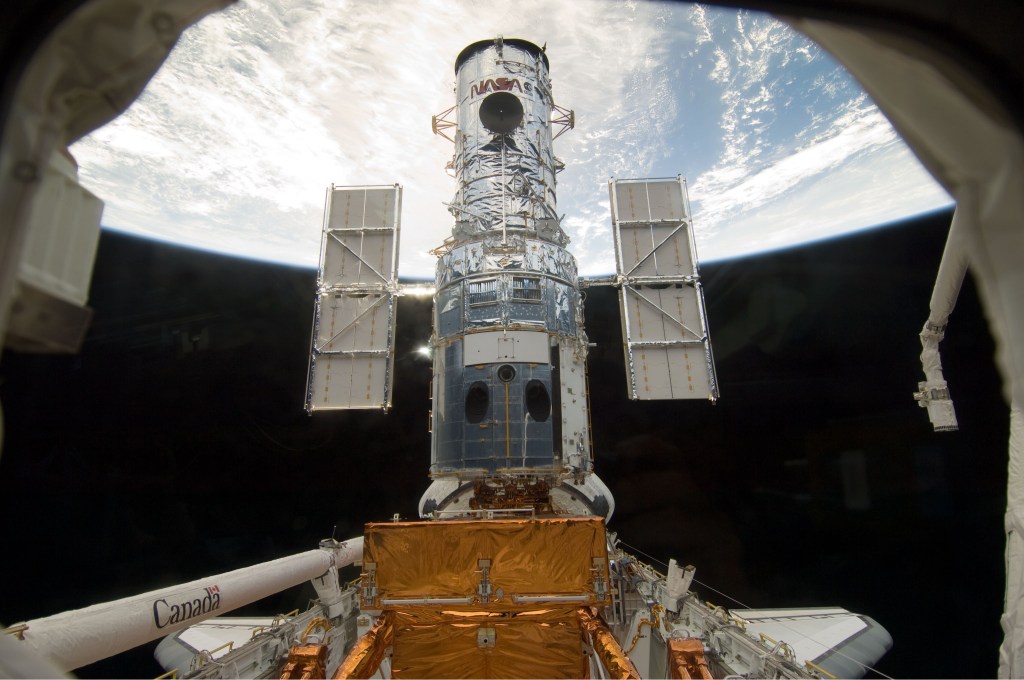
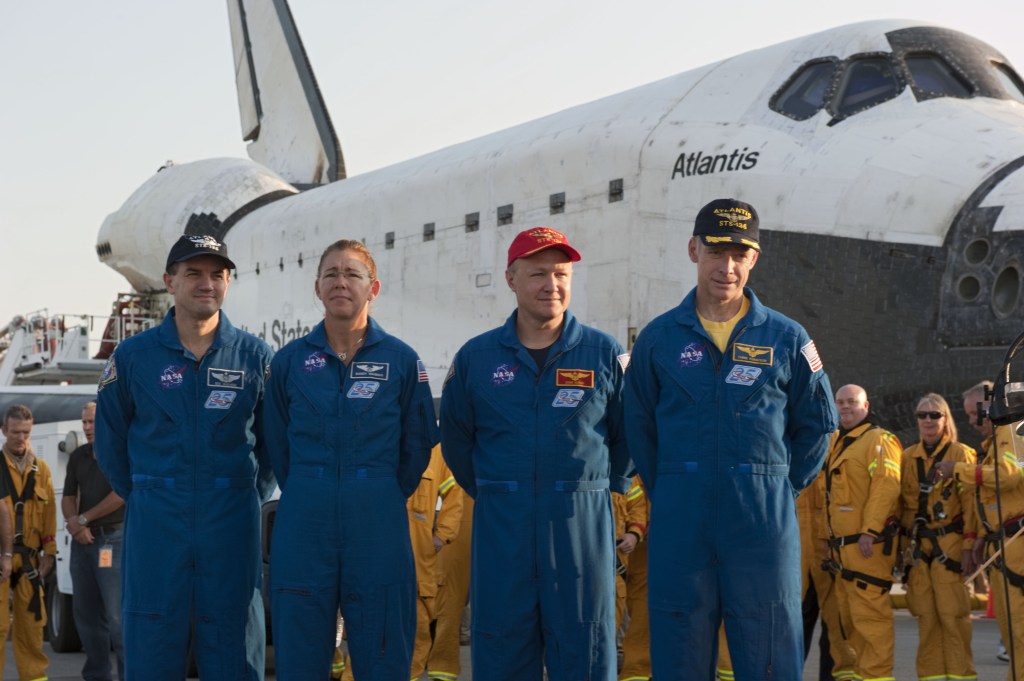
The Space Station: 26 Years of Continuous Human Presence
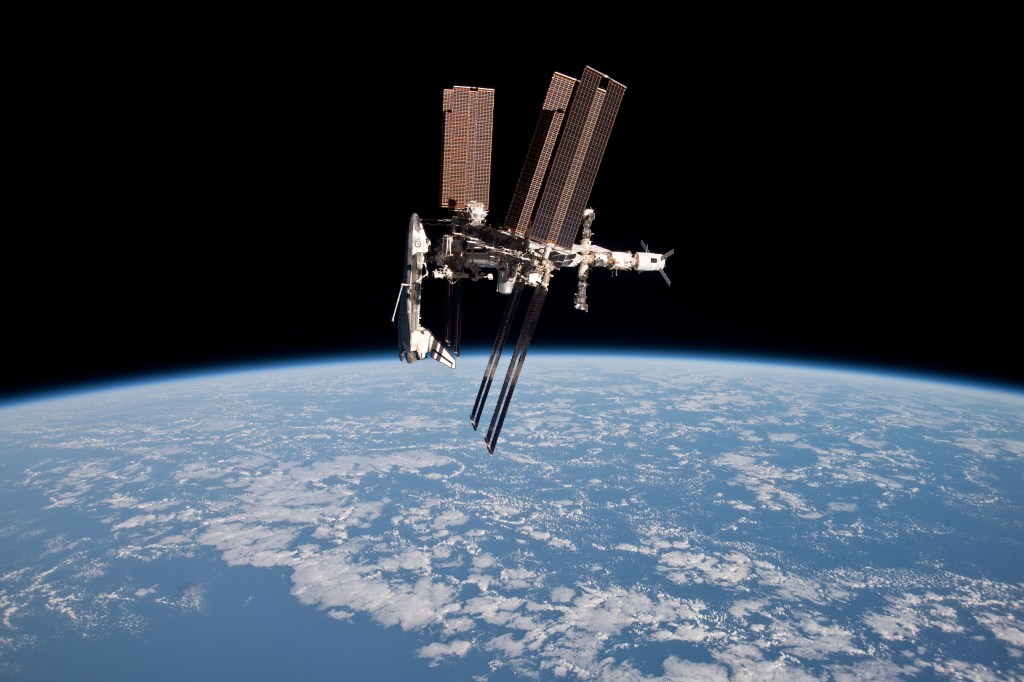
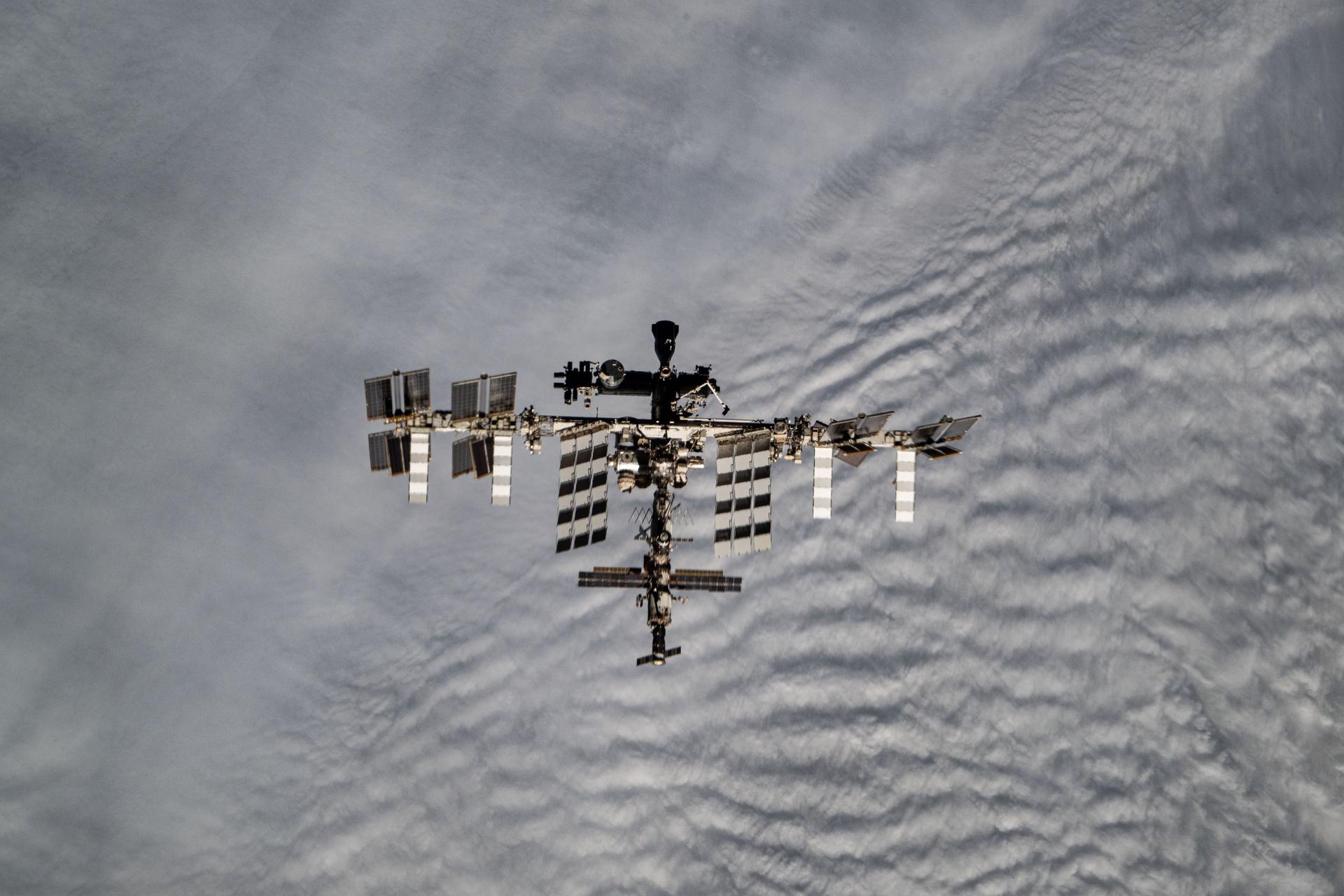
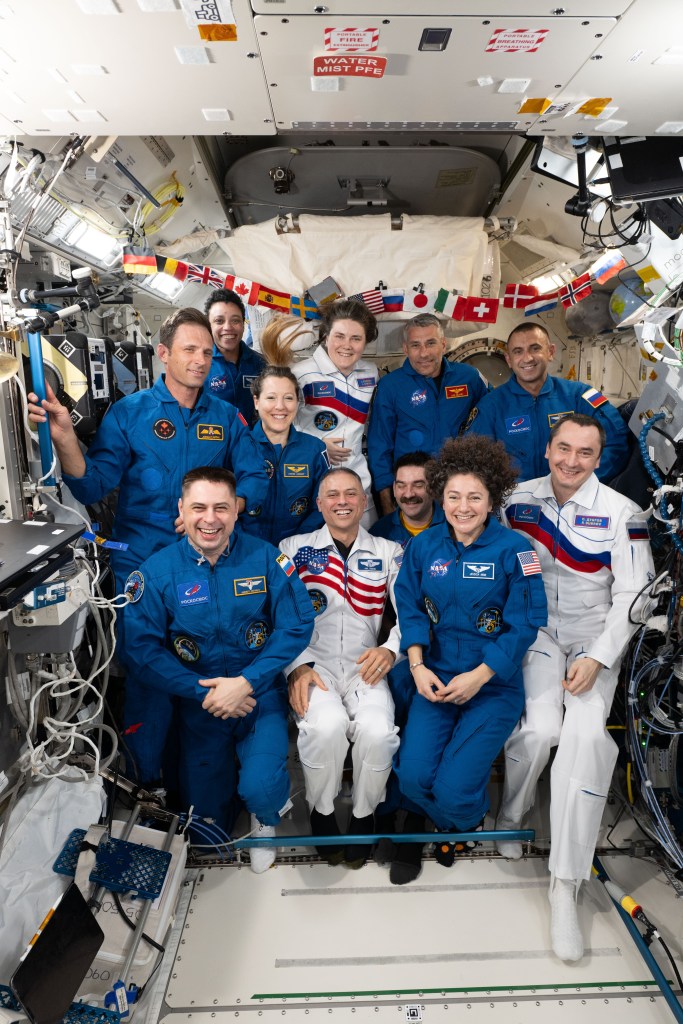
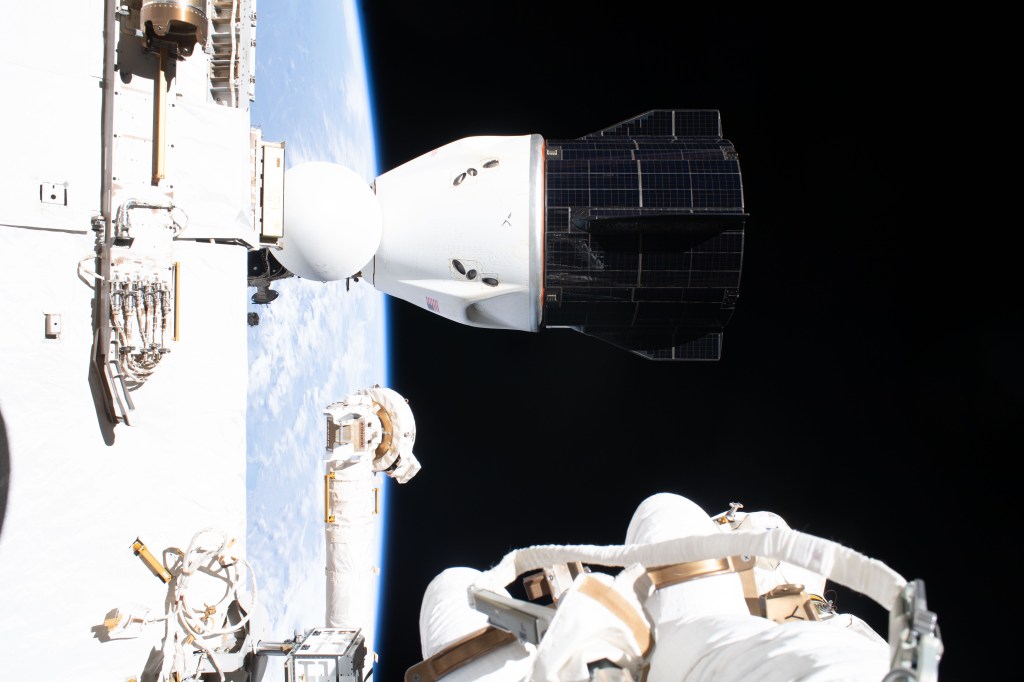
An Earth orbiting space station, first approved by President Ronald Reagan in 1984, underwent many modifications before taking on its current form as the International Space Station in 1993. Overall management of the program resides at Johnson. The first element launch took place in November 1998, followed one month later by the first U.S. element, the Node 1 Unity module. The first expedition crew took up residence on Nov. 2, 2000, and for more than 26 years, rotating crews of astronauts and cosmonauts have lived and worked aboard the orbiting laboratory, establishing a permanent human presence in low Earth orbit.
To date, 298 individuals from 26 countries have visited the space station, conducting more than 4,000 science experiments and educational activities to enable exploration missions and improve life on Earth.
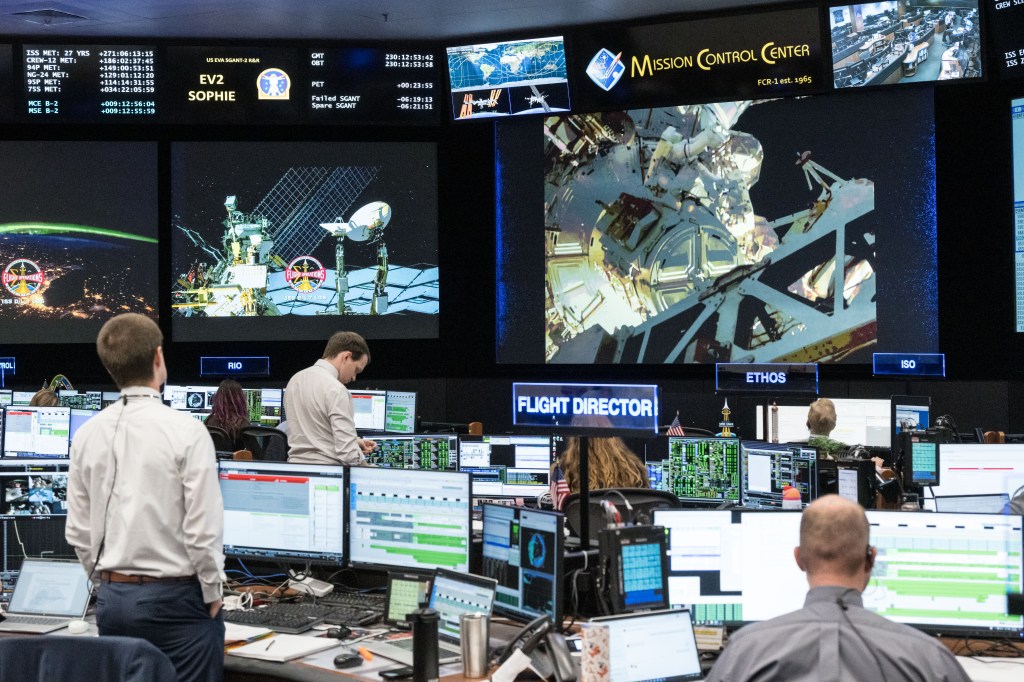
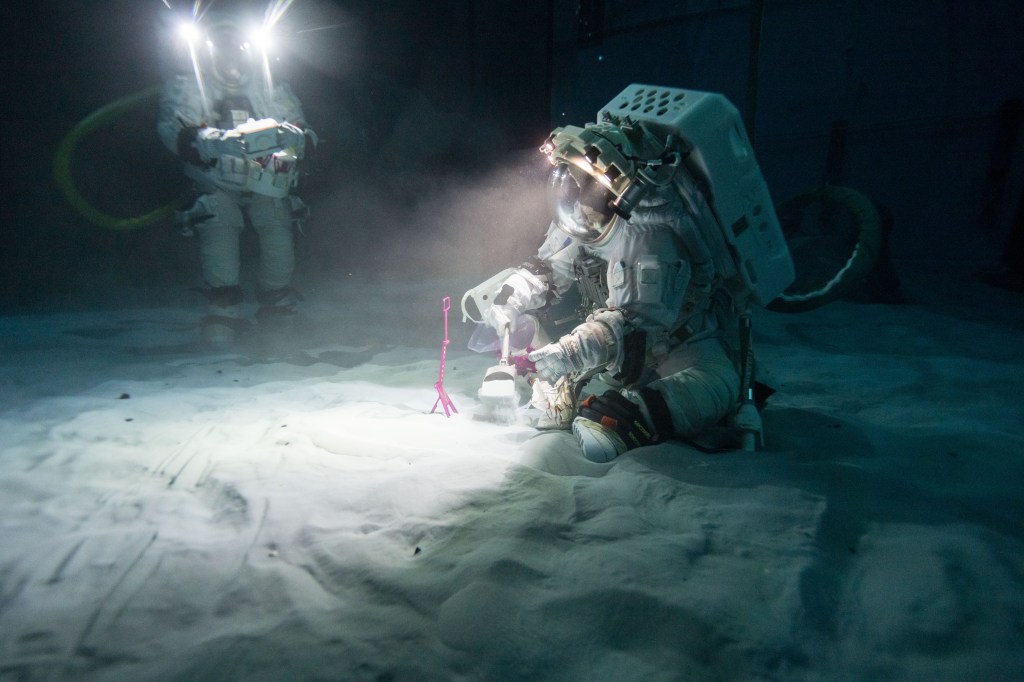
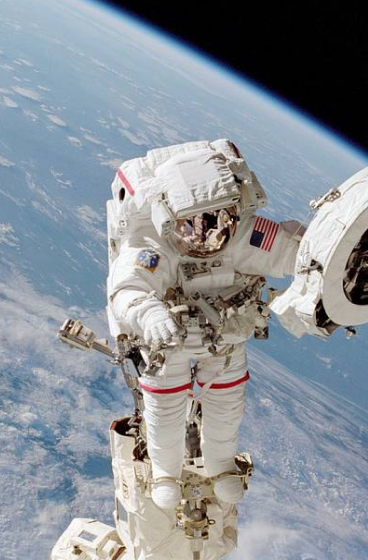
Life aboard the space station depends on a global team on the ground. Crews conduct research and maintain equipment in microgravity, while Johnson teams at the Mission Control Center coordinate the agency’s station operations with international partners. Johnson’s Space Vehicle Mockup Facility supports training for NASA astronauts and international crews on station systems, science operations, and emergency procedures. At the Neutral Buoyancy Laboratory, crews rehearse spacewalks around full-scale station mockups in one of the world’s largest indoor pools. Johnson’s Human Research Program also supports health investigations aboard the station, helping researchers understand how spaceflight affects the body so crews can thrive on future deep space missions.
What began as a framework of modules has evolved into a springboard for international cooperation, advanced scientific research and technology demonstrations, the development of a low Earth orbit economy, and NASA’s next giant leaps in exploration. The space station continues to be a proving ground for NASA’s Artemis program and human exploration of Mars.
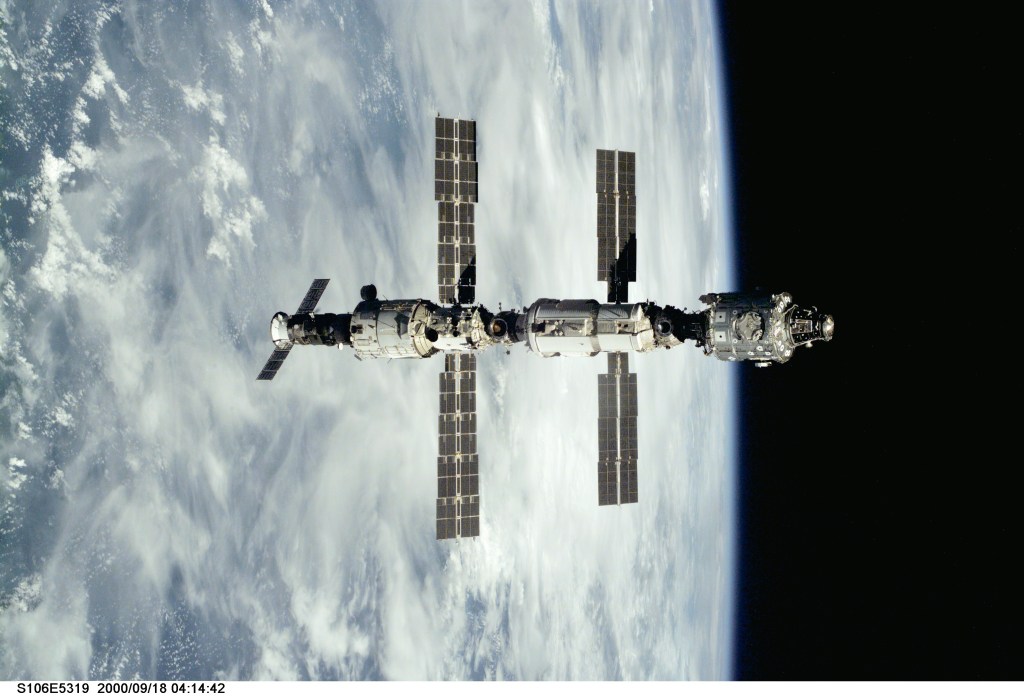
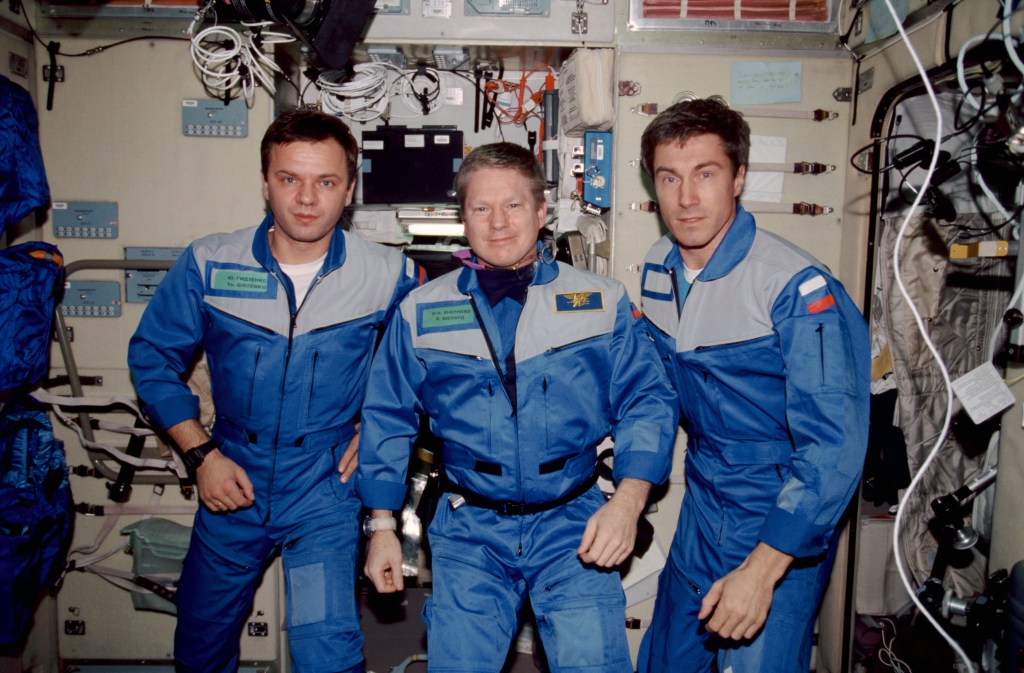
Artemis and Moon Base: Building a Sustained Lunar Presence
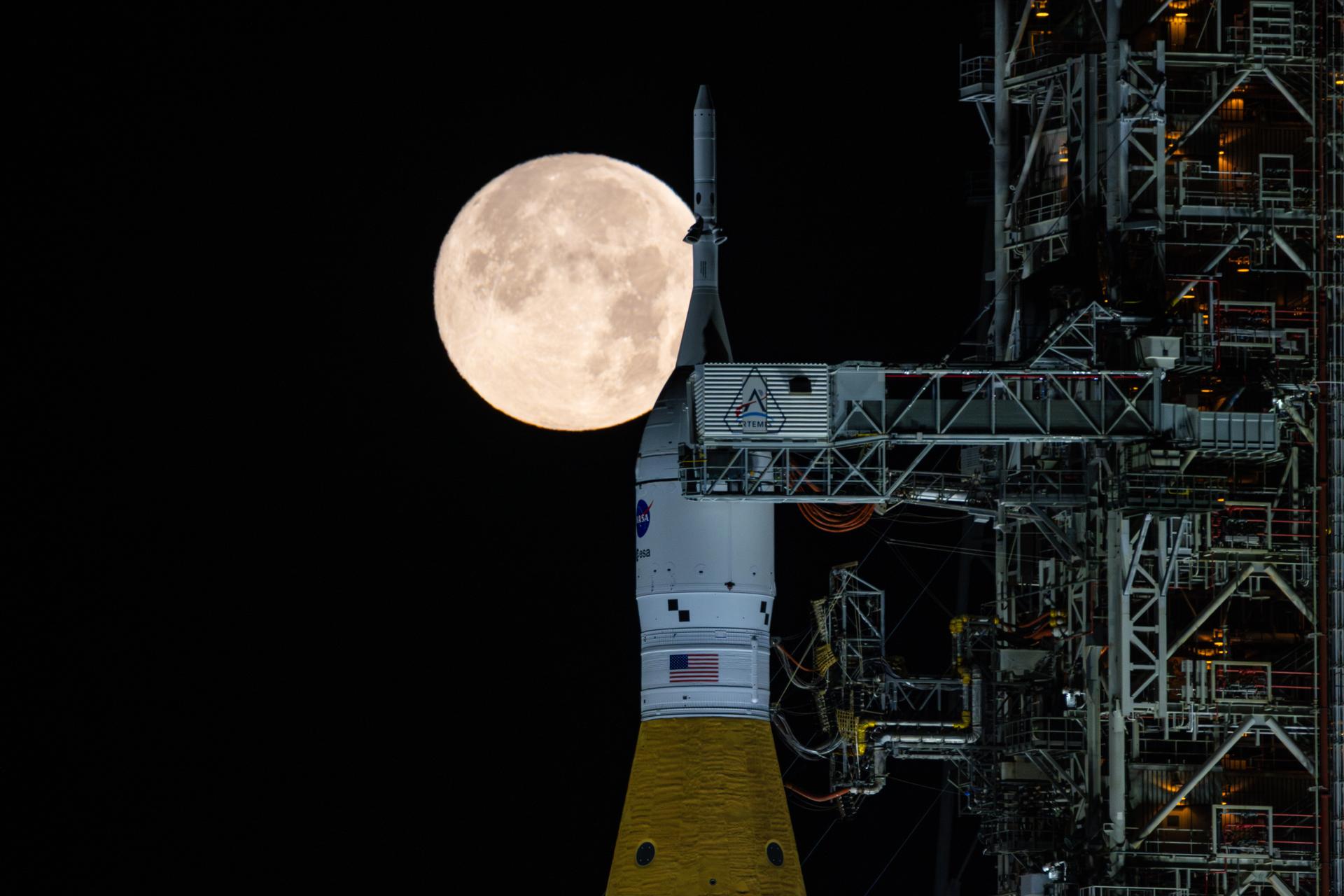
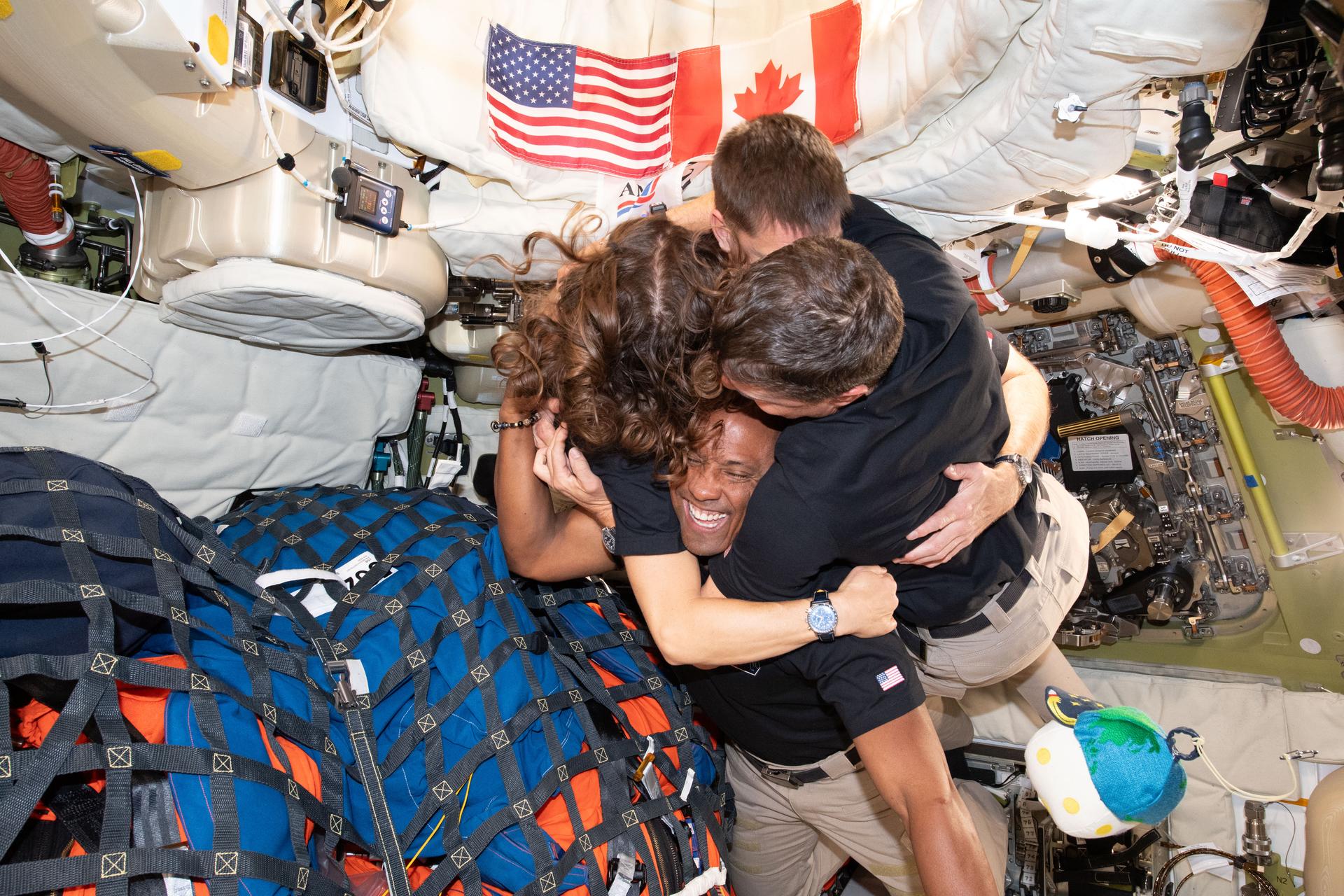
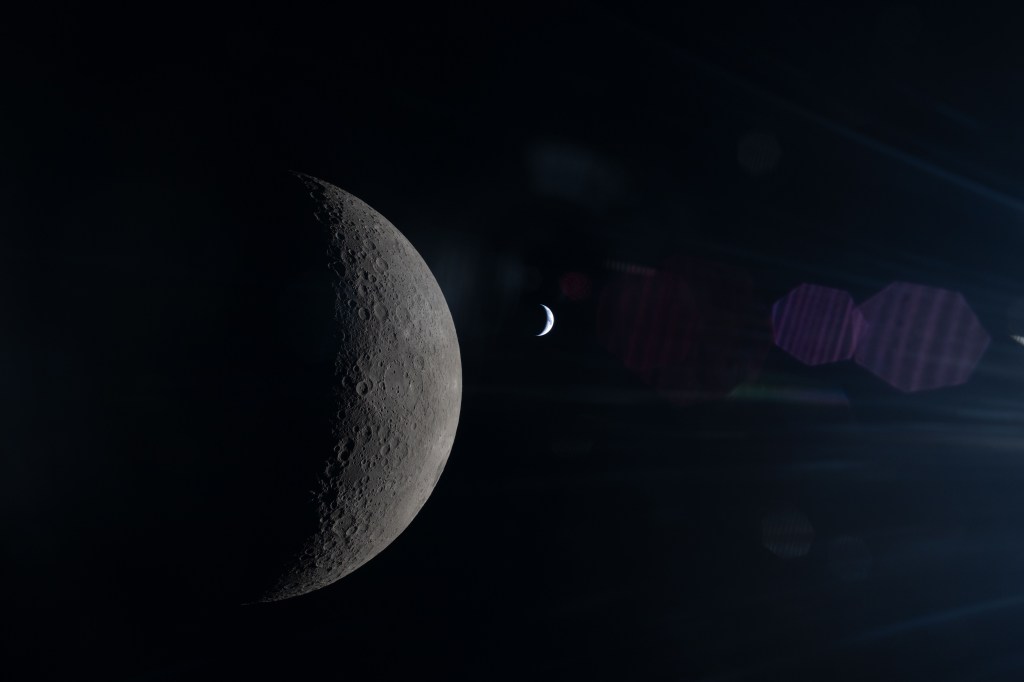
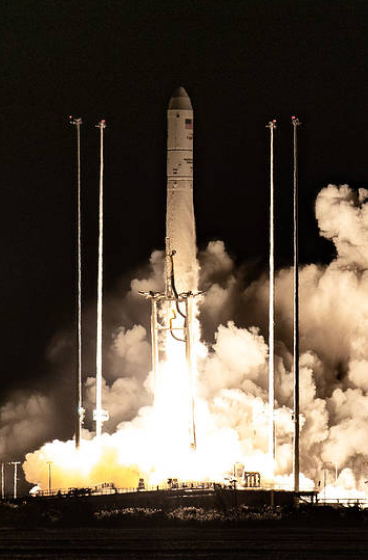
The Artemis II mission marked the first crewed flight of NASA’s Orion spacecraft. The four-person crew launched April 1, on a nearly 10-day trip around the Moon. At its farthest point, Orion traveled 252,756 miles from Earth, farther than any humans had traveled before. The mission demonstrated Orion’s capabilities with astronauts aboard and tested crew operations in deep space, setting the stage for future lunar missions.
Building on Artemis II, NASA’s Artemis III mission will test integrated operations in low Earth orbit between Orion and test versions of one or both commercial human landing systems under development by SpaceX and Blue Origin. Astronauts will demonstrate the rendezvous and docking capabilities needed to transfer crews between spacecraft for the lunar landing planned for Artemis IV.
NASA’s Moon Base Program is planning a phased effort to support a sustained human presence near the Moon’s South Pole. The first phase will focus on robotic exploration, technology demonstrations, and preparations for future surface operations. Later phases will add infrastructure to support astronauts living and working on the Moon. Lunar terrain vehicles will help crews explore farther, transport equipment, and conduct science.
At Johnson, teams are drawing on decades of experience in astronaut training, mission control, spacecraft development, and human health to prepare for these missions. From training crews for lunar operations to developing the systems that will support them, Johnson is building on 65 years of human spaceflight experience for humanity’s return to the lunar surface through the Artemis and Moon Base Programs.
About the Author
John Uri
Share
Details
Related Terms
Explore More

APOD: 2026 November 22 – Swirls and Colors on Jupiter from Juno
2026-11-22 05:05
APOD
Astronomy Picture of the Day
Discover the cosmos! Each day a different image or photograph of our fascinating universe is featured, along with a brief explanation written by a professional astronomer.
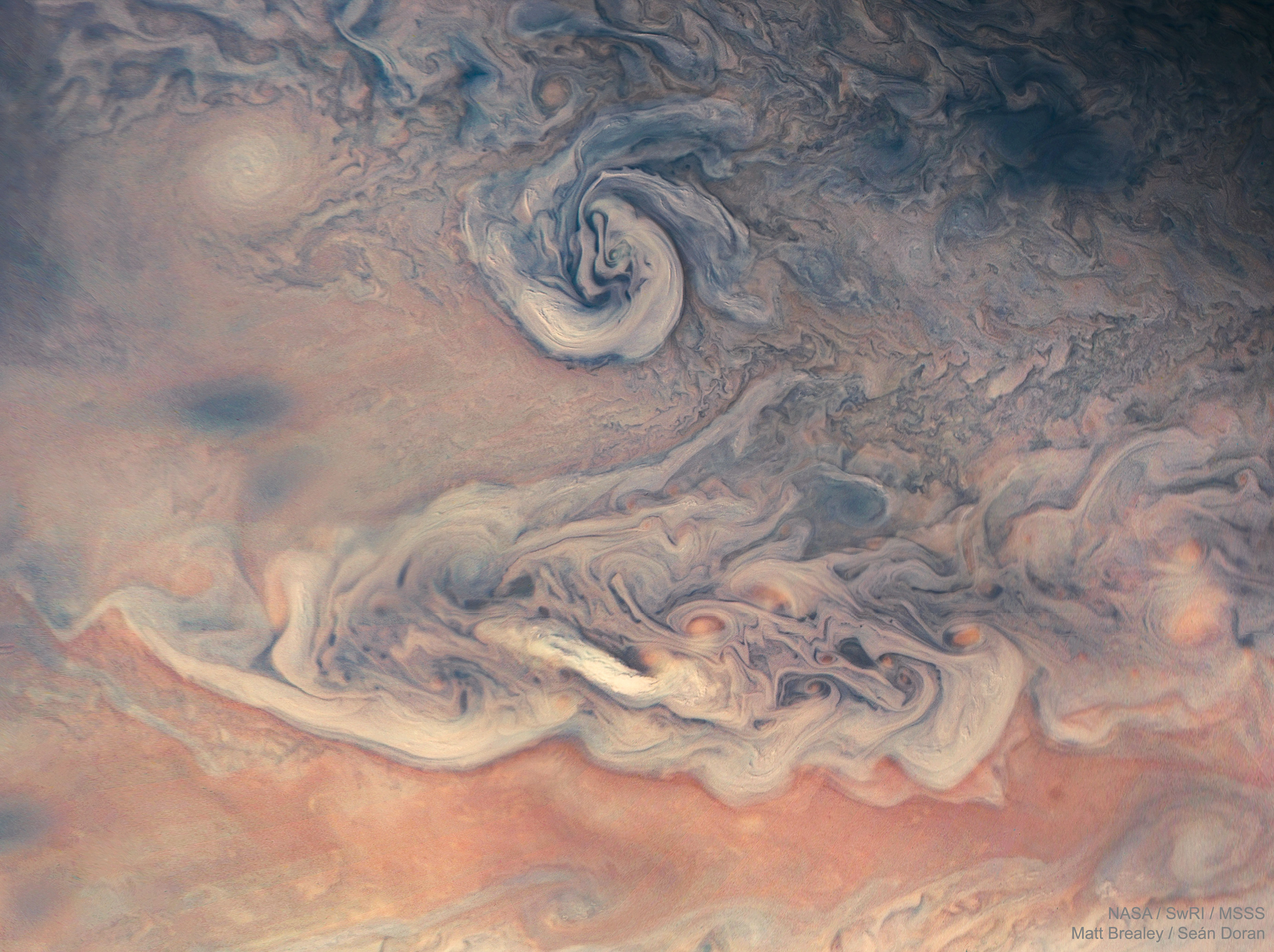
Swirls and Colors on Jupiter from Juno
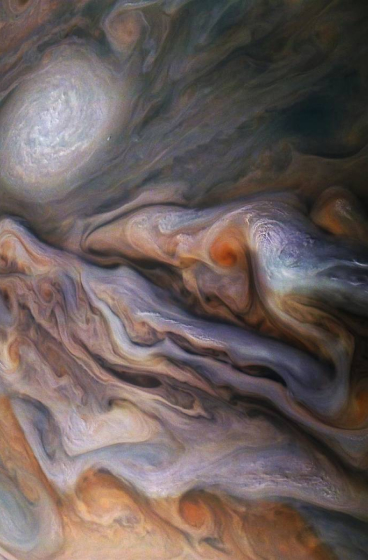
Explanation: What creates the colors in Jupiter’s clouds? No one is sure. The thick atmosphere of Jupiter is mostly hydrogen and helium, elements which are colorless at the low temperatures of the Jovian cloud tops. Which trace molecules provide the colors remains a topic of research, although small amounts of ammonium hydrosulfide are one leading candidate. What is clear from the featured color-enhanced image — and many similar images — is that lighter clouds are typically higher up than darker ones. Pictured, light clouds swirl around reddish regions toward the lower right, while they appear to cover over some darker domains on the upper right. The featured image was taken by the robotic Juno spacecraft in 2018 during its 14th low pass over Jupiter. Juno continues in its looping elliptical orbit, swooping near the huge planet every 33 days and exploring a slightly different sector each time around.
Tomorrow’s picture: emerging darkness
| Date: | November 22, 2026 |
|---|---|
| Credit: | NASA, Juno, SwRI, MSSS; Processing & License: Matt Brealey, Seán Doran |
| Authors & editors: | Robert Nemiroff, Jerry Bonnell, Cecilia Chirenti, Keighley Rockcliffe |
| A service of: |
ASD at NASA / GSFC, NASA Science Activation & Michigan Tech. U. |
APOD: 2026 November 21 – Voyager’s Neptune
2026-11-21 05:05
APOD
Astronomy Picture of the Day
Discover the cosmos! Each day a different image or photograph of our fascinating universe is featured, along with a brief explanation written by a professional astronomer.
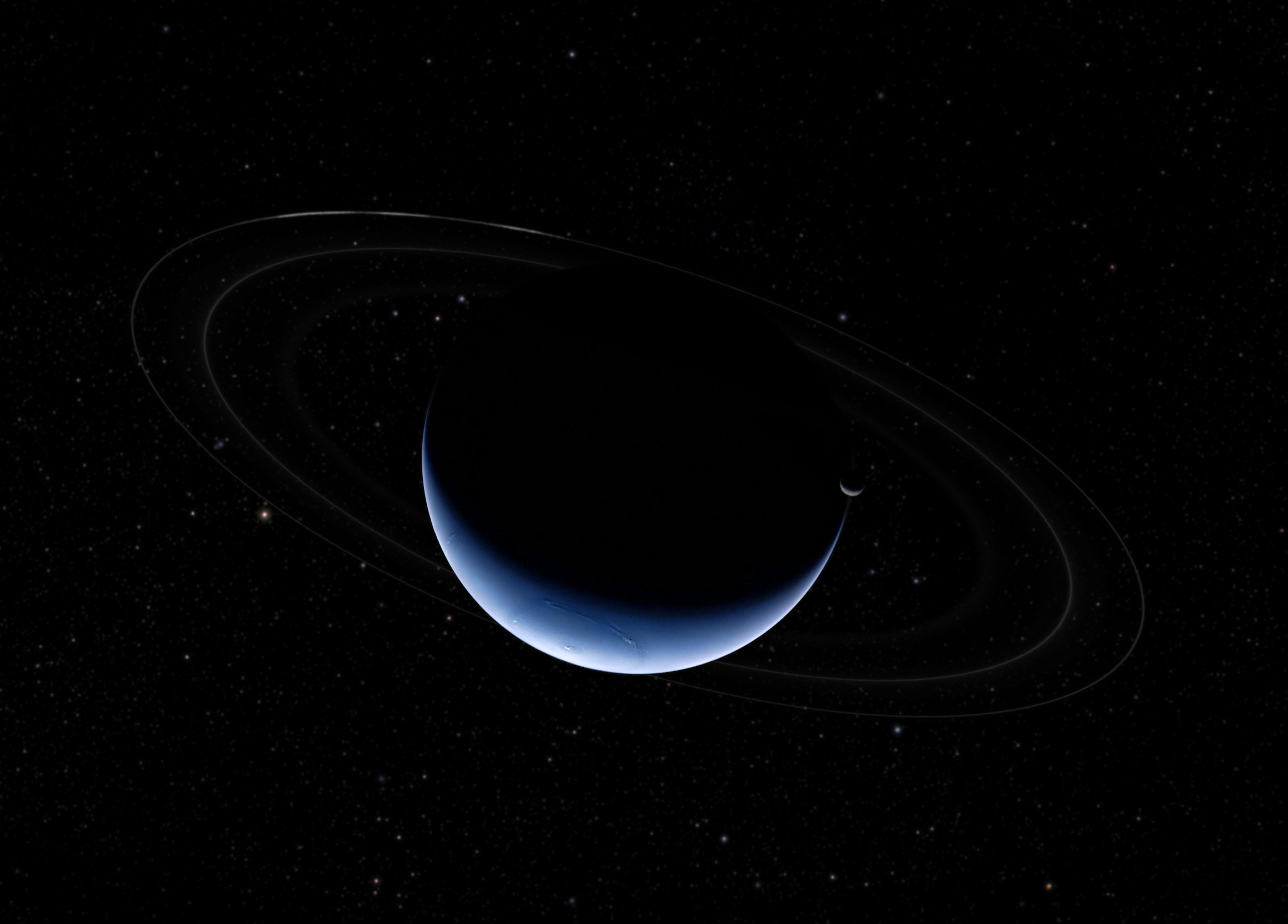
Voyager’s Neptune
Explanation: Cruising through the outer solar system, the Voyager 2 spacecraft made its closest approach to Neptune on August 25, 1989, the only spacecraft to visit the most distant ice giant planet. Based on the images recorded during its close encounter and in the following days, this inspired composited scene covers the dim outer planet, largest moon Triton, and faint system of rings. From just beyond Neptune’s orbit, the interplanetary perspective looks back toward the Sun, capturing the planet and Triton as thin sunlit crescents. Cirrus clouds and a dark band circle Neptune’s south polar region, with a cloudy vortex above the pole itself. Parts of the very faint ring system along with the three bright ring arcs were first imaged by Voyager during the fly-by, though the faintest segments are modeled in this composited picture. Spanning 7.5 degrees, the background starfield is composed from sky survey data centered on the constellation Camelopardalis, corresponding to the outbound Voyager’s view of the magnificent Neptunian system. Still cruising in 2026, the Voyager 2 spacecraft is now in interstellar space.
Tomorrow’s picture: swirling
| Date: | November 21, 2026 |
|---|---|
| Credit & Copyright: |
Assembly/Processing – Rolf Olsen, Data – Voyager 2, NASA Planetary Data System |
| Authors & editors: | Jerry Bonnell, Cecilia Chirenti, Robert Nemiroff, Keighley Rockcliffe |
| A service of: |
ASD at NASA / GSFC, NASA Science Activation & Michigan Tech. U. |
TechCrunch - Latest
How Notable Capital, GIC, and Baillie Gifford bet big on Anthropic before its IPO
2026-11-23 01:25
‘You Can See Everything’ has made more than $100M worldwide
2026-11-22 21:42
OpenAI’s chief scientist has thoughts on how to limit AI development
2026-11-22 21:14
The best apps to make new friends right now
2026-11-22 21:00
Why data centers are at the center of the Big Tech backlash
2026-11-22 18:08


