📰 Trending Topics
Google News - Trending
Google News - Technology
Amazon Launches Prime Day Discounts on AirPods, iPad, MacBook Air, and More - macrumors.com
2026-10-05 22:22
- Amazon Launches Prime Day Discounts on AirPods, iPad, MacBook Air, and More macrumors.com
- I’m a devout AirPods user. Here are the best early Prime Day deals on them right now CNN
- Amazon's Best Apple Deals Are Already Live Ahead of the Prime Big Deal Days Sale IGN
- These Are the Best Deals on Apple Tech From the October Prime Day Sale Lifehacker
- Apple AirPods Pro 3 have a whopping $70 off in this early Amazon Prime Day deal Cyclingnews
Apple event is reportedly happening next week, per Mark Gurman - 9to5Mac
2026-10-05 13:51
- Apple event is reportedly happening next week, per Mark Gurman 9to5Mac
- Apple Is Finally Ready to Enter Its Next Big Category: the Smart Home Bloomberg.com
- Sources: Apple Planning Two Sets of Product Launches in October macrumors.com
- Apple plans to launch new smart-home hub on Oct 13, Bloomberg News reports Reuters
- Apple’s next big thing may be even riskier than the iPhone Duo Macworld
IKEA Just Made a Rolling Stand for When You Want to Hide Your TV - domino.com
2026-10-03 07:59
- IKEA Just Made a Rolling Stand for When You Want to Hide Your TV domino.com
- IKEA and XBOX Team Up on YXSTABY, a New Collection Made for Gaming at Home XBOX Wire
- IKEA and Xbox's YXSTABY gaming furniture is functional without being in your face Mashable
- IKEA’s $49.99 Xbox Thumbstick Stool Actually Tilts Totally The Bomb
- IKEA Announces Big October News for XBOX Fans Yahoo
Command-line tool quickly removes Apple Intelligence from macOS 27 - Ars Technica
2026-10-05 19:14
- Command-line tool quickly removes Apple Intelligence from macOS 27 Ars Technica
- Mac Users Reclaim 12GB+ of Storage With Apple Intelligence Removal Tool macrumors.com
- An open-source tool lets you delete 12GB of Apple Intelligence data on macOS The Verge
- Get rid of Apple's AI bloatware and reclaim 12 GB of storage with this open source tool The Register
- How to Disable Apple Intelligence on Your iPhone or Mac and Reclaim Valuable Space CNET
NASA - Breaking News
Curiosity Blog, Sols 5029-5035: Back in the Lab
2026-10-06 01:04
2 min read
Curiosity Blog, Sols 5029-5035: Back in the Lab
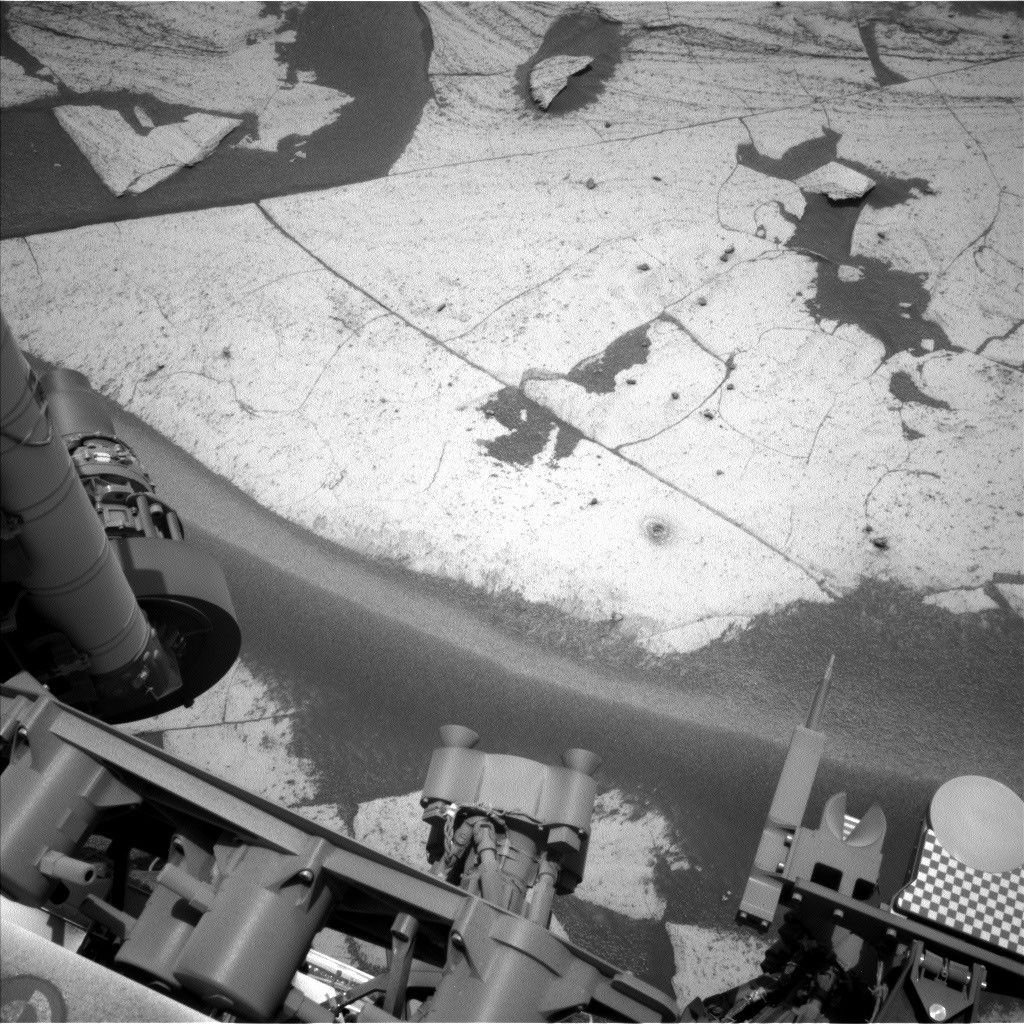
Written by Michelle Minitti, MAHLI Deputy Principal Investigator
Earth planning date: Friday, Oct. 1, 2026
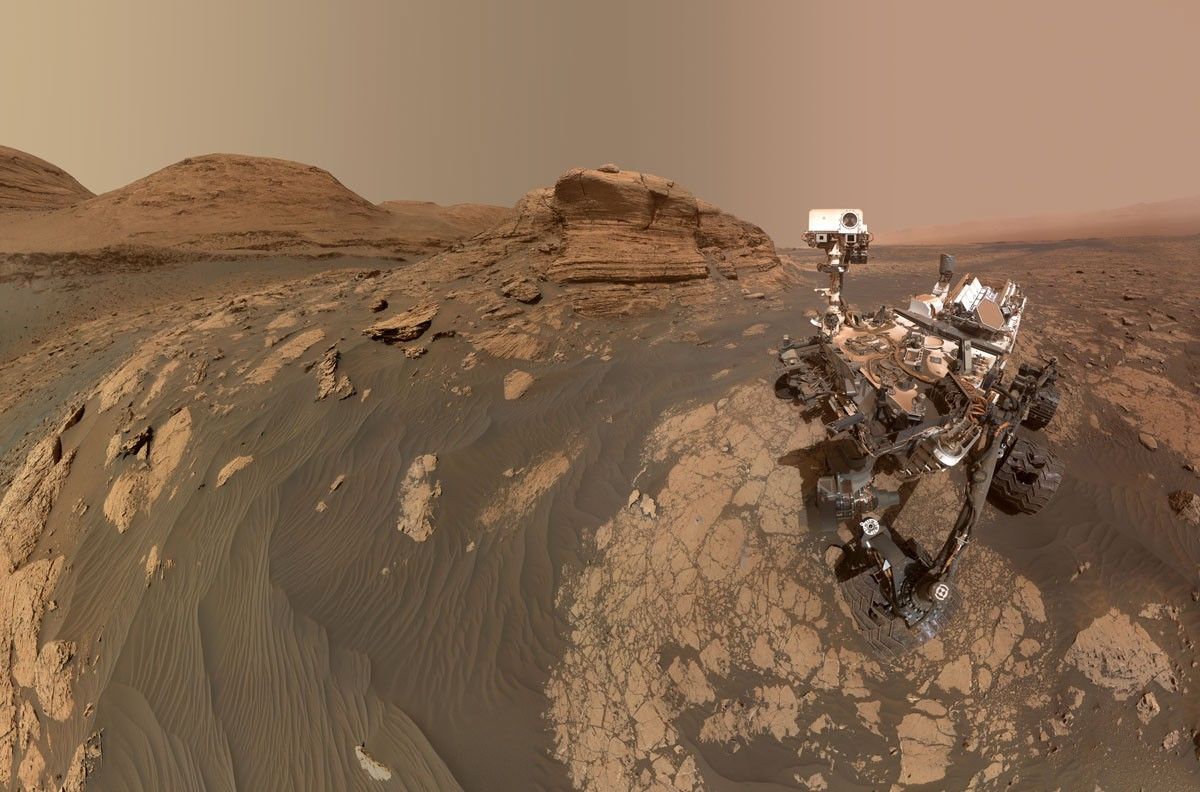
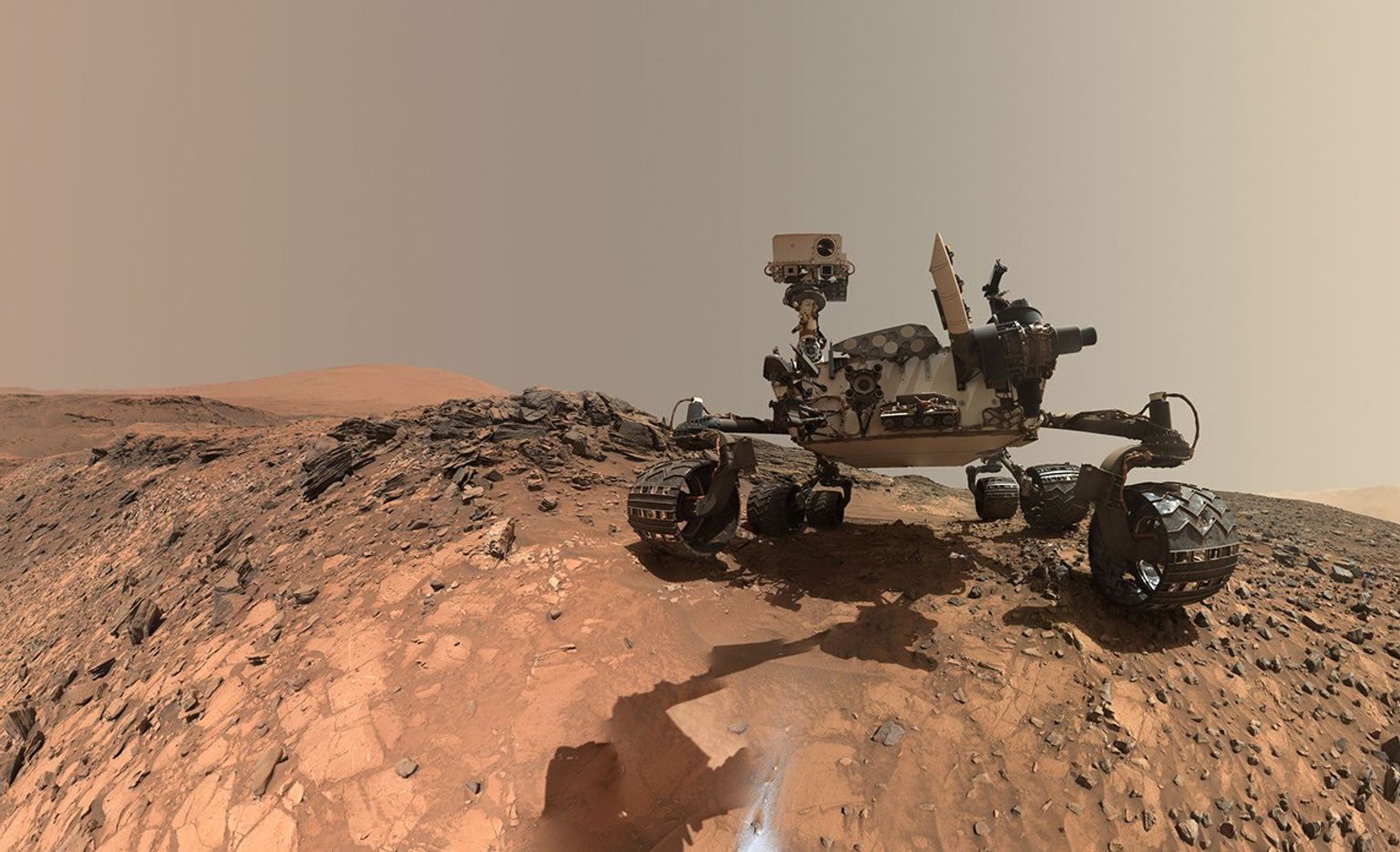
The majority of Curiosity plans involve mosaics from Mastcam and ChemCam, chemistry analyses from ChemCam and APXS, images from MAHLI and MARDI, and systematic measurements from REMS, RAD, and DAN. It is only when we stop to drill that we fully live up to our Mars Science Laboratory designation, using CheMin and SAM to analyze Martian rock. This was one such week, where our focus was wrapping up CheMin analysis of a sample from the “Basque Lakes” drill hole (pictured above), preparing SAM for its analysis, and analyzing the sample with the SAM tunable laser spectrometer (TLS). The CheMin data were key to SAM deciding to analyze the sample at all, and SAM will wait to receive the results from the TLS run (measurement of the volatiles present) to decide if they want to follow up with a separate mass spectrometry analysis next week.
The laboratory activities require a significant portion of the daily power budget of the rover so the rest of the payload largely takes a back seat during drill campaigns, a worthy trade for CheMin and SAM’s valuable data. However, using the power that was available, we gathered data to contextualize our drill location and continued our systematic environmental monitoring. Mastcam acquired a 360-degree mosaic of our surroundings to build a full picture of the geologic setting of the sample. Its color and improved resolution relative to Navcam also guided subsequent science requests, such as more focused Mastcam imaging of structures near the workspace, and ChemCam RMI imaging of the “Cordillera” butte. Mastcam, coupled with Navcam, also planned a series of seven photometry observations spread across fixed times of day. These observations evaluate how the observed spectral characteristics of targets change as the Sun angle on them changes. They help us better interpret images from the rover and from cameras in orbit. ChemCam gathered more chemistry data from the variety of materials in the workspace, from the Basque Lakes drill hole interior, to sand ripples (“French Creek”) covering the bedrock, to loose gray clasts of unknown origin (“Wooley” and “Fireside”) sprinkled across the workspace. Our environmental monitoring activities included regular REMS, RAD, and DAN measurements and Navcam and Mastcam monitoring of dust loading in the atmosphere, cloud activity, and dust-devil activity.
Share
Details
Related Terms
Explore More

A Journey to the Depths of Ancient Mars?
2026-10-06 00:48
Written by Alex Jones, Ph.D. candidate at Imperial College London
Sept. 29, 2026
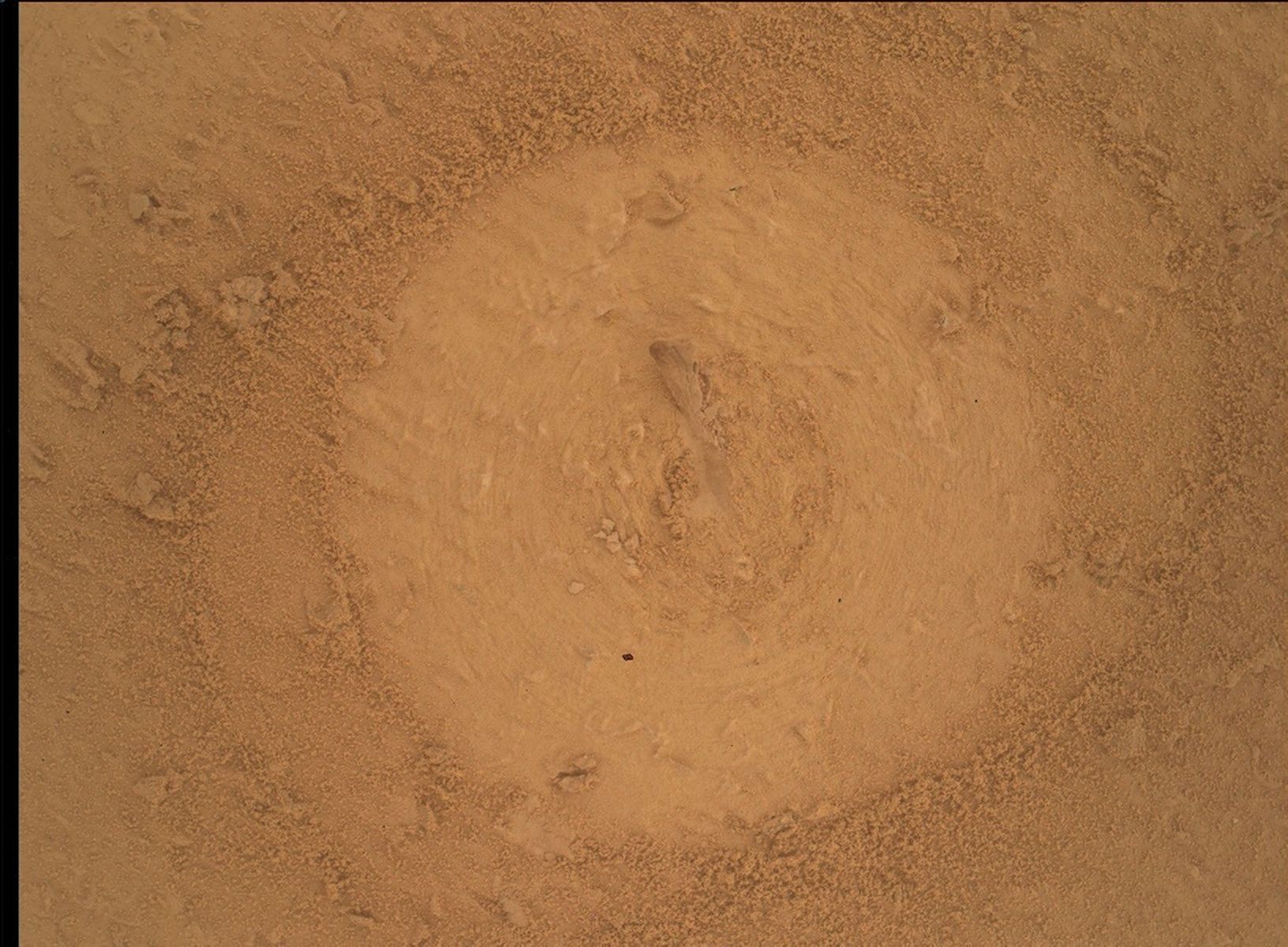
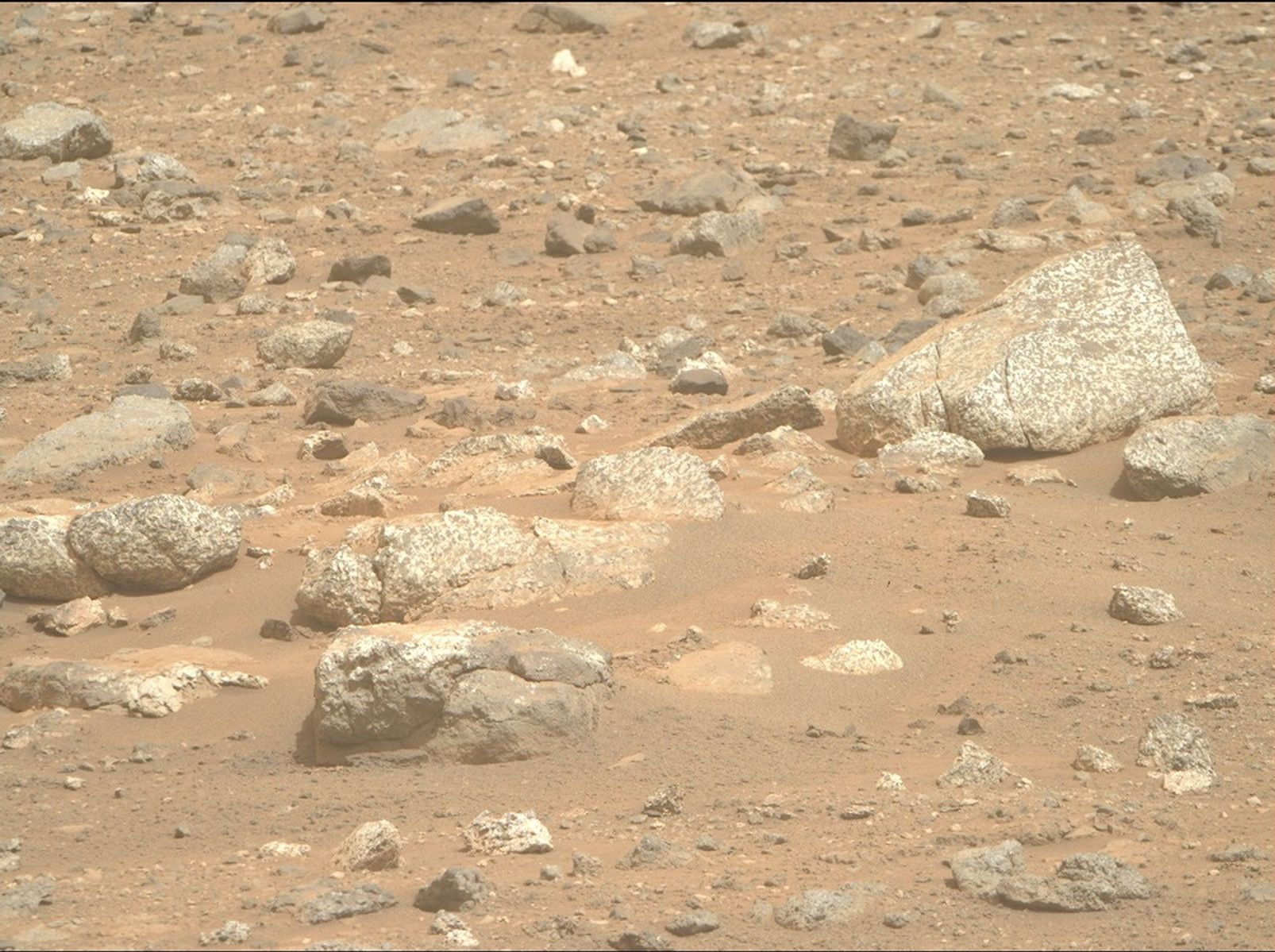
After spending the last six months exploring “Lac de Charmes,” a region of ancient rock beyond Jezero crater’s western rim, Perseverance has stumbled upon a vast field of light-toned rocks peppering the Martian surface.
Light-colored rocks are a strange sight on Mars, a planet dominated by dark-colored basaltic rocks. This many light-colored rocks in one place piqued the Science Team’s interest… what are they? How did they get here?
To answer the first question, Perseverance has been investigating the composition and textures of these rocks. Data so far indicates that many of them are igneous rocks called gabbro, which are dominated by minerals rich in iron and magnesium. Such rocks typically form by slow cooling and crystallization of magma deep in the crust.
So how did these deep fragments of Mars find their way to the surface?
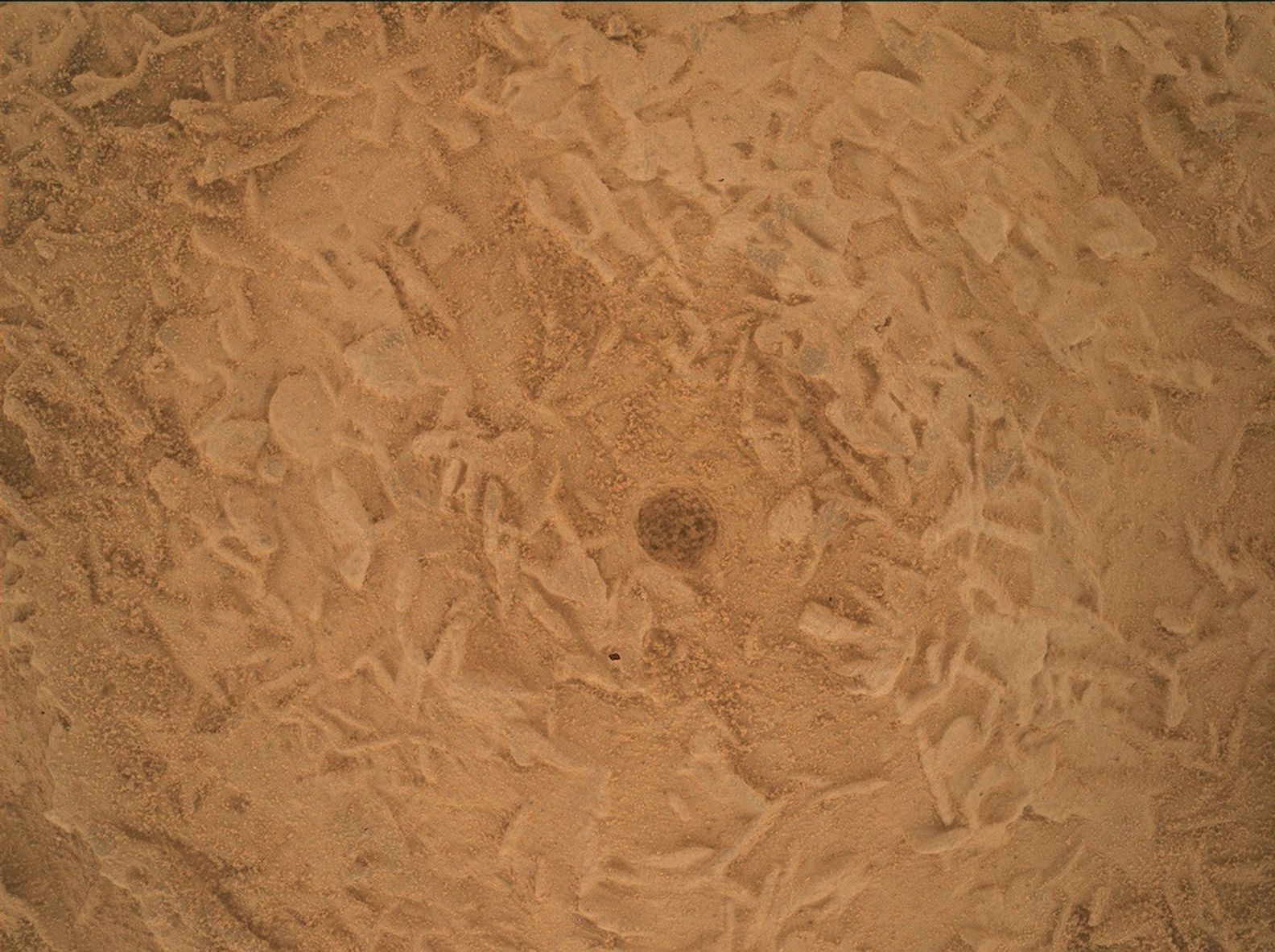
Perseverance has spent the last week trying to answer this question by investigating a patch of possible bedrock poking out between the light-toned boulders and loose regolith.
Initial images suggest that the rock is made up of light- and dark-colored, angular fragments of rock, forming what geologists call a breccia. One possibility the team is investigating is that the light-toned boulders scattered across the hillside have eroded out of this breccia.
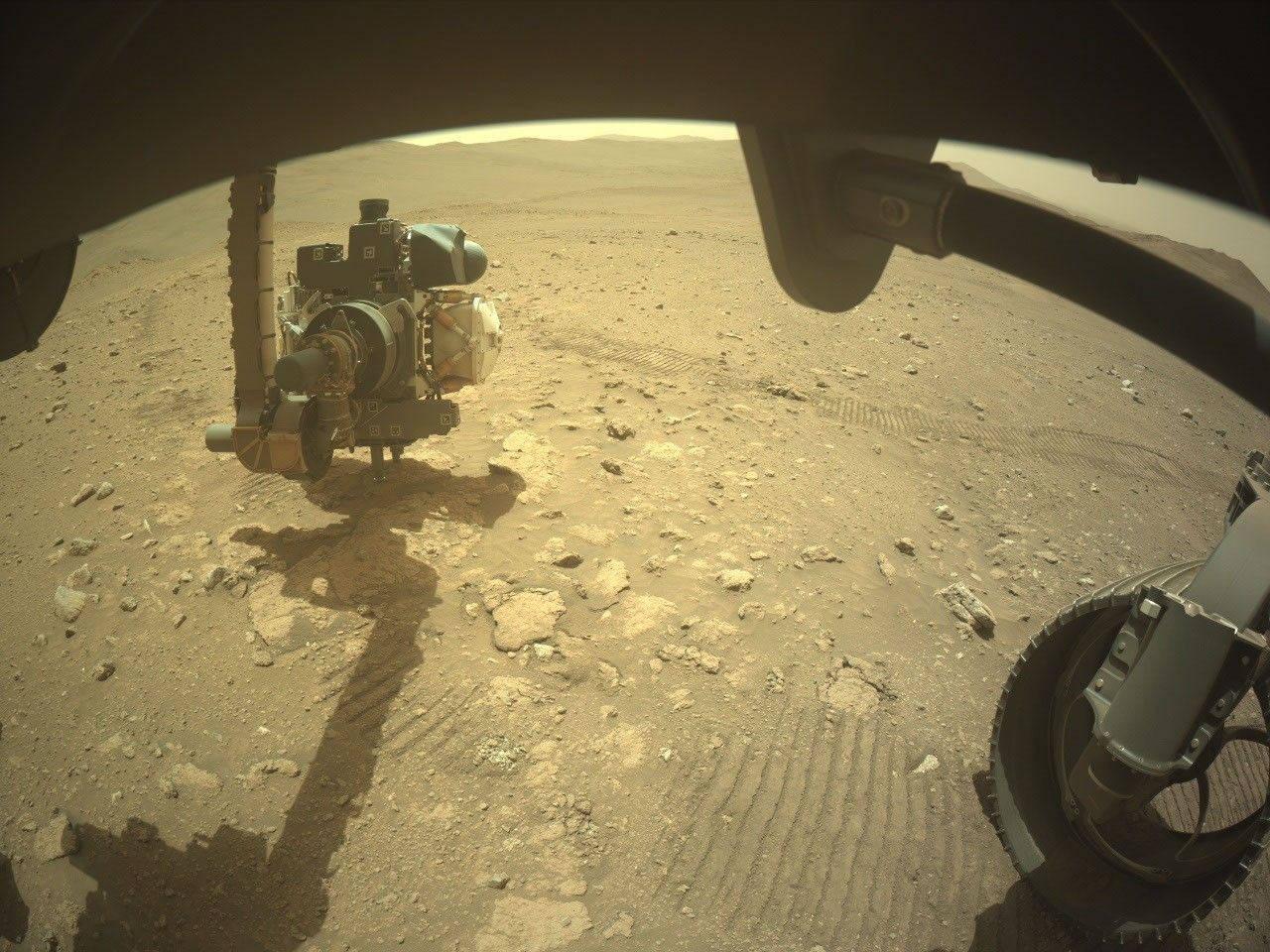
Breccias often form through violent processes involving the fracturing and transport of rock to produce their angular shapes. Layers of breccia observed outside Jezero have previously been attributed to asteroid impacts on early Mars. Perhaps similar impacts (or the Jezero impact itself?) could be responsible for digging up these light-colored blocks.
Only time (and of course, Perseverance), will tell.

Explore More

NASA to Stream SpaceX Crew-12 Return, Splashdown Live
2026-10-05 21:44
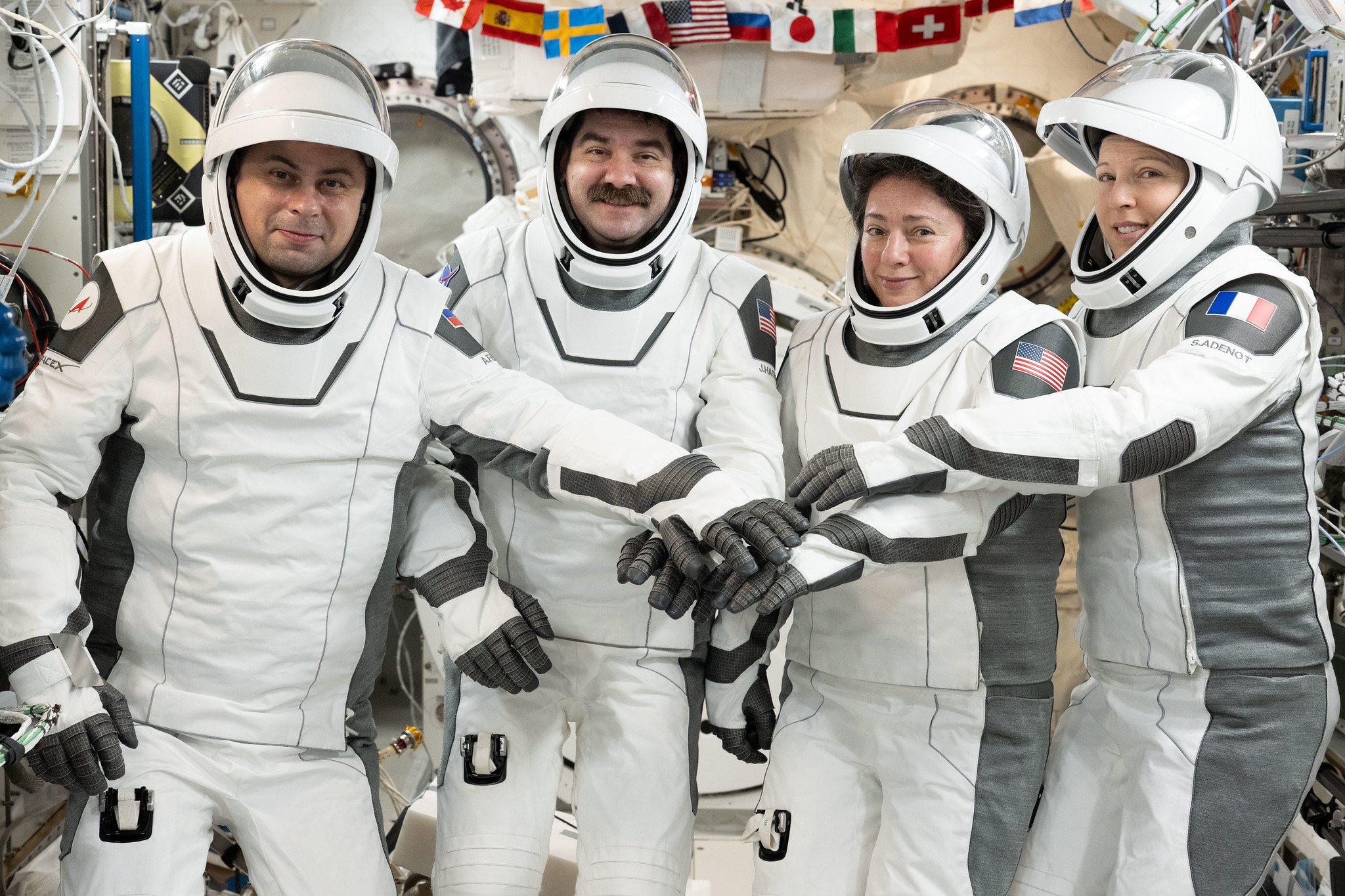
NASA and SpaceX are targeting no earlier than 8:05 a.m. EDT, Wednesday, Oct. 7, for the undocking of the agency’s SpaceX Crew-12 mission from the International Space Station, pending weather conditions.
An Oct. 7 undock puts NASA astronauts Jessica Meir and Jack Hathaway, ESA (European Space Agency) astronaut Sophie Adenot, and Roscosmos cosmonaut Andrey Fedyaev on schedule to splash down off the coast of California at approximately 11:34 a.m. on Thursday, Oct. 8.
NASA’s live Crew-12 return coverage will stream through a variety of platforms. Learn where to watch online:
Mission managers continue monitoring conditions in the recovery area, as undocking of the SpaceX Dragon depends on spacecraft readiness, recovery team readiness, weather conditions in the Pacific off the coast of California, and other factors.
NASA’s coverage is as follows (all times Eastern and subject to change based on real-time operations):
Wednesday, Oct. 7
6 a.m.: Hatch closure coverage begins
6:20 a.m.: Hatch closing
7:45 a.m.: Undocking coverage begins
8:05 a.m.: Undocking
Following the conclusion of undocking coverage, NASA will provide audio-only communications between Crew-12, the space station, and flight controllers during Dragon’s transit away from the orbital complex.
Thursday, Oct. 8
10:20 a.m.: Return coverage begins
10:46 a.m.: Deorbit burn
11:34 a.m.: Splashdown
1:15 p.m.: International Space Station briefing for Crew-12 return and SpaceX Commercial Resupply Services-35 launch with the following participants:
- Bill Spetch, deputy manager of Commercial, NASA’s Low Earth Orbit Program
- Dr. Liz Warren, deputy chief scientist, NASA’s Low Earth Orbit Program
- Lee Echerd, senior mission manager, Customer Operations and Integration, SpaceX
- Andreas Mogensen, leader, Human Exploration Group, ESA
To participate virtually in the teleconference, media must contact the NASA Johnson newsroom for call details by 12 p.m., Oct. 8, at: jsccommu@mail.nasa.gov or 281-483-5111. To ask questions, media must dial in no later than 10 minutes before the start of the call. The agency’s media credentialing policy is available online.
For more information about the Crew-12 mission, visit:
https://www.nasa.gov/mission/nasas-spacex-crew-12
-end-
Joshua Finch / Jimi Russell
Headquarters, Washington
202-358-1100
joshua.a.finch@nasa.gov / james.j.russell@nasa.gov
Sandra Jones / Joseph Zakrzewski
Johnson Space Center, Houston
281-483-5111
sandra.p.jones@nasa.gov / joseph.a.zakrzewski@nasa.gov
Steve Siceloff
Kennedy Space Center, Fla.
321-867-2468
steven.p.siceloff@nasa.gov
NASA Astronaut Christina Koch at Eagles vs. Rams
2026-10-05 17:42

NASA astronaut and mission specialist of the agency’s Artemis II mission, Christina Koch, leads the fans in singing the Eagles Fight Song from the field at an NFL game between the Philadelphia Eagles and the Los Angeles Rams at Lincoln Financial Field on Sunday, Oct. 4, 2026, in Philadelphia.
NASA’s engagement at NFL games is part of the agency’s Inspiration Tour, aimed at strengthening connections between NASA and its partners and showcasing innovation in air and space in the lead up to the MAX POWER aerospace technology expo and airshow at the agency’s Kennedy Space Center in early November.
Image credit: NASA/Thalia Patrinos
NASA Testing Aims at Supercooled Large Droplet Aviation Safety
2026-10-05 15:27
NASA Testing Aims at Supercooled Large Droplet Aviation Safety
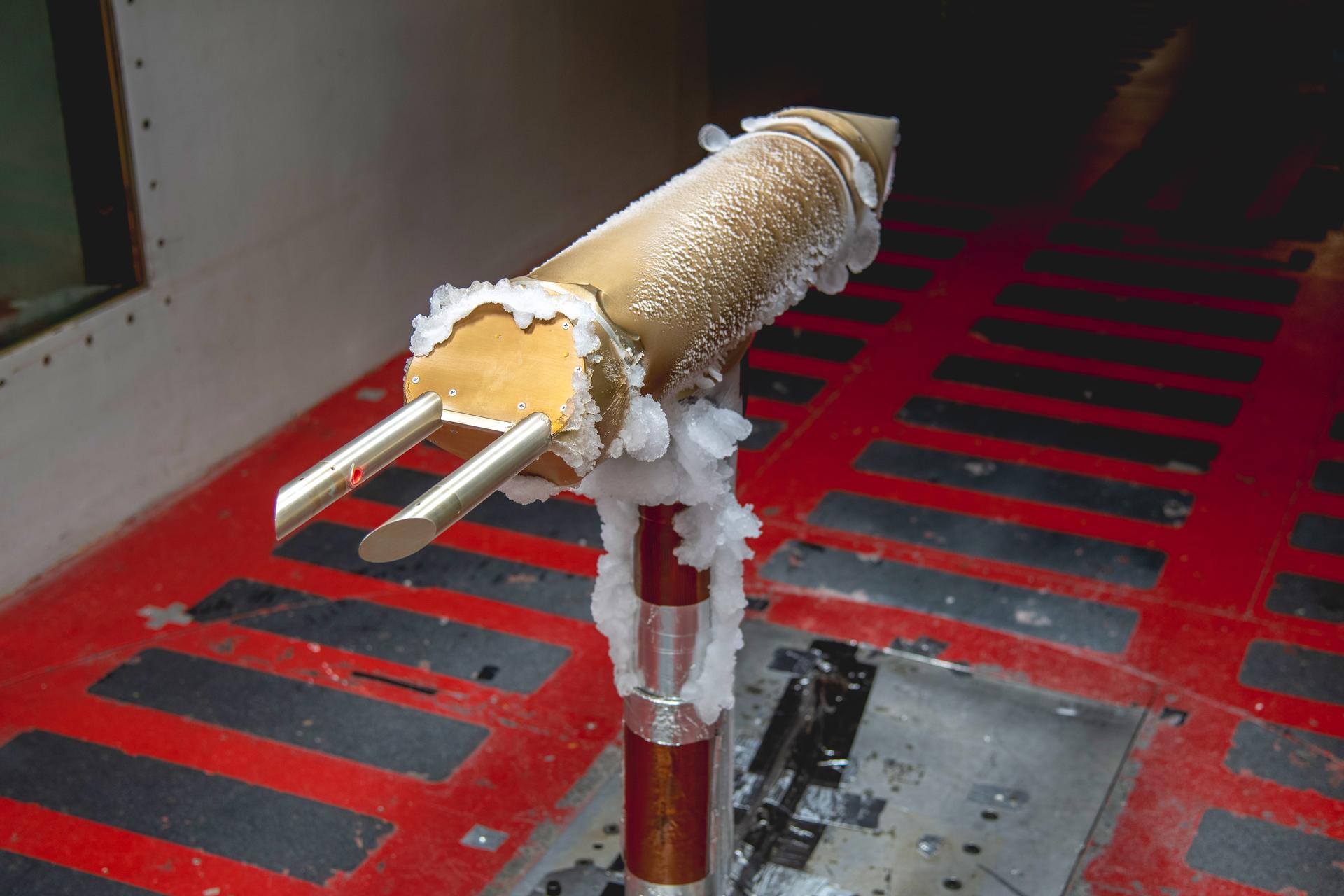
NASA is leveraging its expertise and enhancing its test facilities to help address a rare but persistent aviation hazard: icing that occurs when aircraft encounter unusually large, very cold water droplets in clouds.
The problem, known as “supercooled large droplet icing,” occurs when aircraft fly through clouds containing unusually large drops of water that are very cold but remain liquid. When a plane passes through those drops, they can rapidly freeze to surfaces that are not protected from ice buildup.
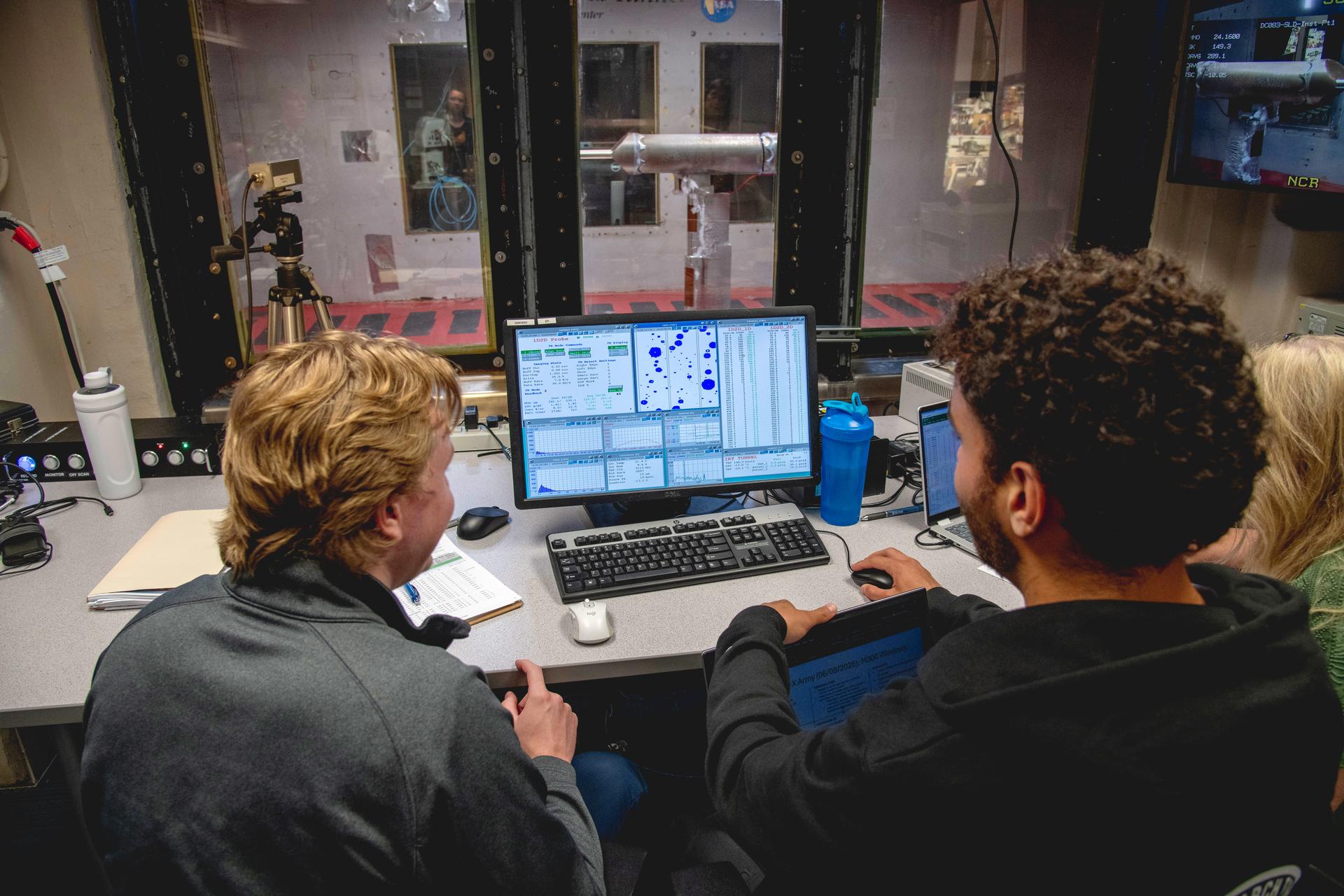
With a series of tests in the Icing Research Tunnel at Glenn Research Center in Cleveland, NASA researchers are helping U.S. industry better understand the phenomenon.
Supercooled water is common in clouds – droplets can go below 32 degrees Farenheit but not freeze unless they encounter dust or other tiny particles around which they can crystalize. Aircraft are designed to encounter typical icing conditions where droplets range from 2 to 100 microns in diameter (for comparison, a human hair is about 70 microns wide). But in rarer cases, clouds can contain supercooled large drops up to 2,000 microns in diameter (if you’ve ever been caught in freezing rain, you’ve encountered these droplets at ground level). These much larger droplets can hit or splash to the aft of an aircraft, including areas behind conventional ice protection systems.
The aviation industry relies on engineering tools to help design their aircraft. Current tools work well for typical clouds, but engineers have questions about how well they account for the physics of supercooled large drops. To help answer those questions, NASA is working to enhance the equipment it uses to generate and measure experimental clouds for testing in the Icing Research Tunnel.
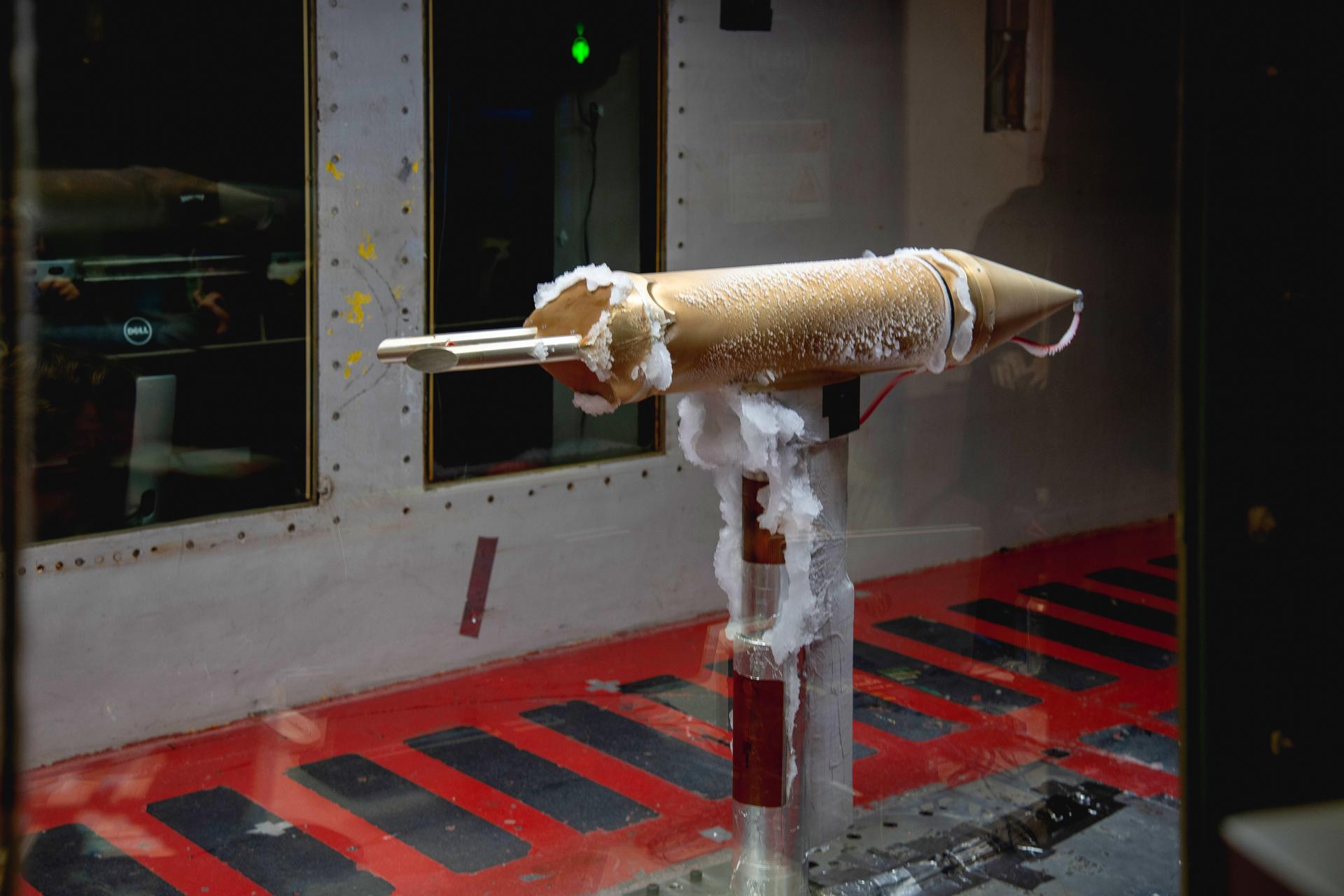
NASA researchers have experimented with brand new probes that help calibrate the sizes of the drops in the clouds the tunnel produces. The probes can “see” drops larger than 45 microns and perform a real-time analysis of their sizes. NASA will compare these results, a laborious technique of post-processing droplet size image data from the tunnel. The results will be mated to results from a different probe that measures droplets smaller than 45 microns. With this, the complete droplet size spectrum is known.
The test campaign marks an important milestone for the Subsonic Flight Demonstrator project, part of NASA’s Research and Technology Mission Directorate. Detailed analysis of the collected data continues, and NASA’s project team will share results with the broader aerospace community once complete.
Share
Related Terms
Explore More




TechCrunch - Latest
Lucid Motors’ EV output falls to lowest level in almost 2 years
2026-10-05 21:54
OpenAI will start watermarking ChatGPT’s text in the EU
2026-10-05 20:36
Etched fields funding offers at $40B+ valuation, sources say
2026-10-05 20:24
After Factory’s public spat with Khosla, Menlo proudly invests
2026-10-05 19:38
Reflection debuts Beam, an open-weight AI model to rival Chinese models at lower compute cost
2026-10-05 19:33