📰 Trending Topics
Google News - Trending
Red trainers are this season's *must-have* - Cosmopolitan
2026-10-04 16:30
Google News - Technology
Microsoft shared Windows 11 26H2 Group Policy templates, settings guidance for admins - Neowin
2026-10-04 21:00
- Microsoft shared Windows 11 26H2 Group Policy templates, settings guidance for admins Neowin
- How to get the Windows 11 2026 Update Windows Blog
- Windows 11 version 27H2: Everything we know so far Windows Central
- Skip the Wait. Microsoft's 26H2 Update Fixes the Parts You Hate Most About Windows 11 PCMag
- Microsoft promised a better Windows 11. Here’s its 6-month report card PCWorld
Orion browser for Linux axed months after beta launch - OMG! Ubuntu
2026-10-05 02:04
Samsung Googlebook appears on Geekbench with a Snapdragon X Elite chipset - GSMArena.com news - GSMArena.com
2026-10-02 20:11
- Samsung Googlebook appears on Geekbench with a Snapdragon X Elite chipset - GSMArena.com news GSMArena.com
- Samsung's Googlebook gets spotted online: early specs rumored Android Central
- Why a leaked Samsung Android laptop on Geekbench likely isn’t a Googlebook chromeunboxed.com
- That Samsung Googlebook Might Not Be a Googlebook After All Android Headlines
- Samsung Spotted Developing New Googlebook Laptop hi-Tech.ua
Honor Magic 9 series global launch scheduled for January 2027 - Huawei Central
2026-10-05 02:40
- Honor Magic 9 series global launch scheduled for January 2027 Huawei Central
- This is when the Honor Magic9 series is landing in Europe - GSMArena.com news GSMArena.com
- ARRI Wants to Become a Consumer Brand Y.M.Cinema
- Honor's new phone has cinema cameras the iPhone 18 Pro can't touch mashable.com
- CosMX Details 40% Silicon-Anode Cell Behind Honor Magic9 Pro Max's 8,800mAh Battery Pandaily
Galaxy Fold 8 and iPhone Duo beware! Another wide foldable is coming soon - PhoneArena
2026-10-03 14:19
- Galaxy Fold 8 and iPhone Duo beware! Another wide foldable is coming soon PhoneArena
- Honor's rumored wide foldable could challenge Samsung and Apple Báo VietNamNet
- New Wide Foldable Is on the Horizon — Coming in January Android Headlines
- Honor has new foldable camera phone in making with ARRI techs Huawei Central
- Here's when Honor's wide foldable is now rumored to launch - GSMArena.com news GSMArena.com
NASA - Breaking News
APOD: 2026 October 5 – M104: The Sombrero Galaxy’s Tidal Streams
2026-10-05 04:05
APOD
Astronomy Picture of the Day
Discover the cosmos! Each day a different image or photograph of our fascinating universe is featured, along with a brief explanation written by a professional astronomer.
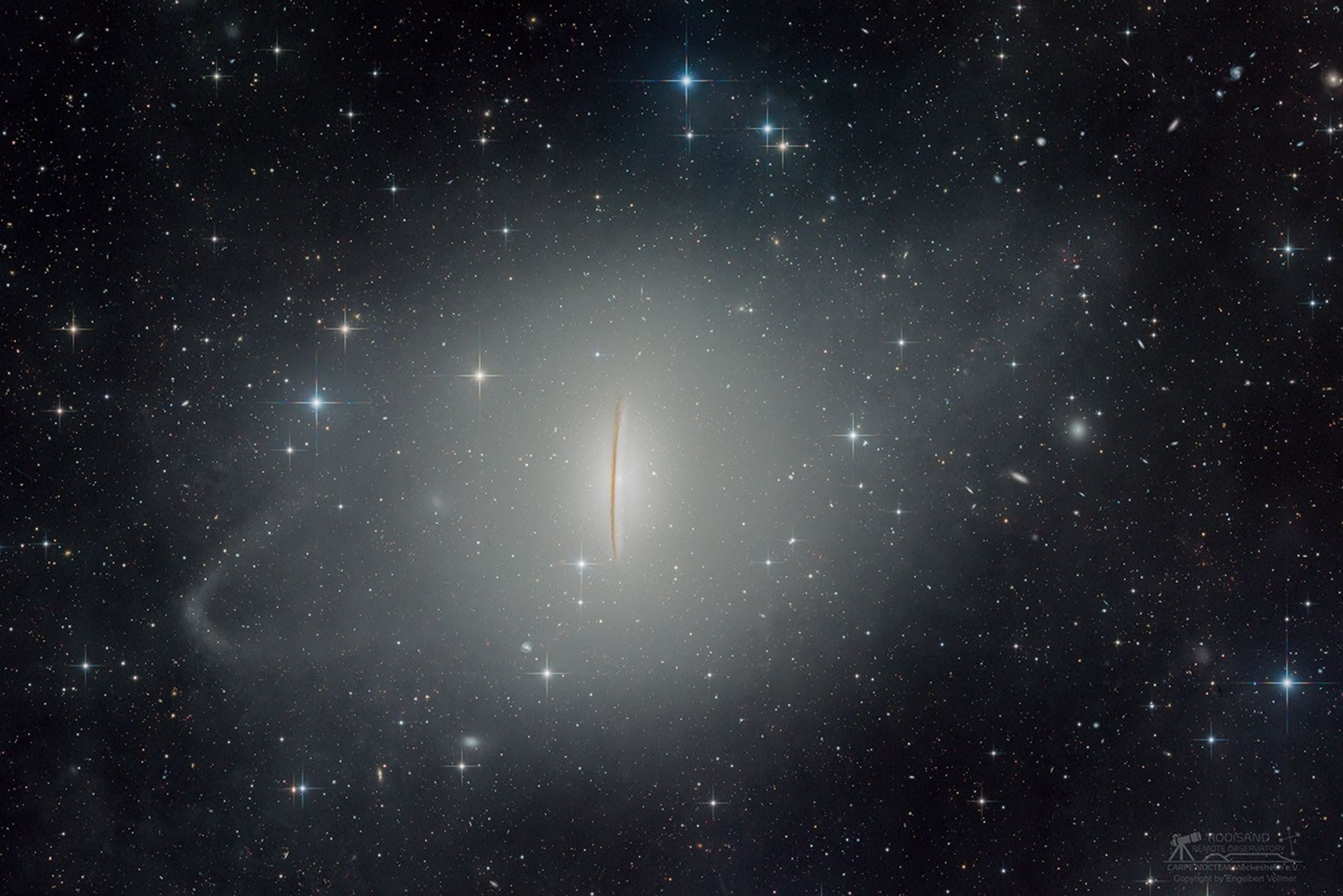
M104: The Sombrero Galaxy’s Tidal Streams
Explanation: A deep image of the Sombrero galaxy reveals surprises. M104 is named the Sombrero galaxy because, on shorter exposures, it looks like a hat. A key defining feature of this huge galaxy is a dark brim of dust that circles the disk galaxy’s center. A much longer exposure, however, brings up a hairy past where a bright, hazy halo is revealed that extends well past the central disk and contains many unresolved stars. Surprisingly, in this stellar haze, structures can be seen that include a diagonal ring. These structures and tidal streams provide fresh evidence that M104 had a violent past and is surely the result of collisions and mergers of smaller galaxies. Light takes about 30 million years to reach us from the Sombrero galaxy, which fully spans about 150 thousand light years across. The featured image was taken over seven days in mid-2026 from Namibia.
Your Sky Surprise: What picture did APOD feature on your birthday? (post 1995)
Tomorrow’s picture: a smile
| Date | October 5, 2026 |
|---|---|
| Credit & Copyright | Engelbert Vollmer |
| Authors & editors: | Robert Nemiroff, Jerry Bonnell, Cecilia Chirenti, Keighley Rockcliffe |
| A service of: |
ASD at NASA / GSFC, NASA Science Activation & Michigan Tech. U. |
Moon-Like Madagascar
2026-10-05 04:01
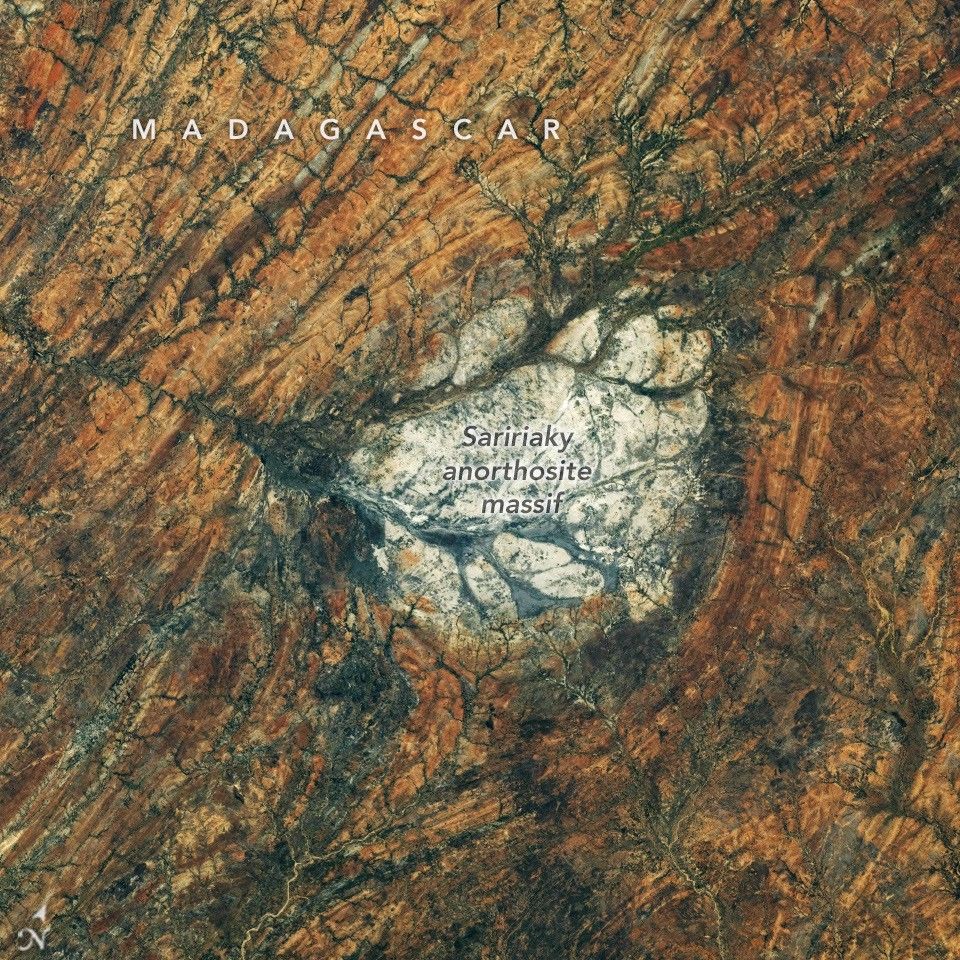
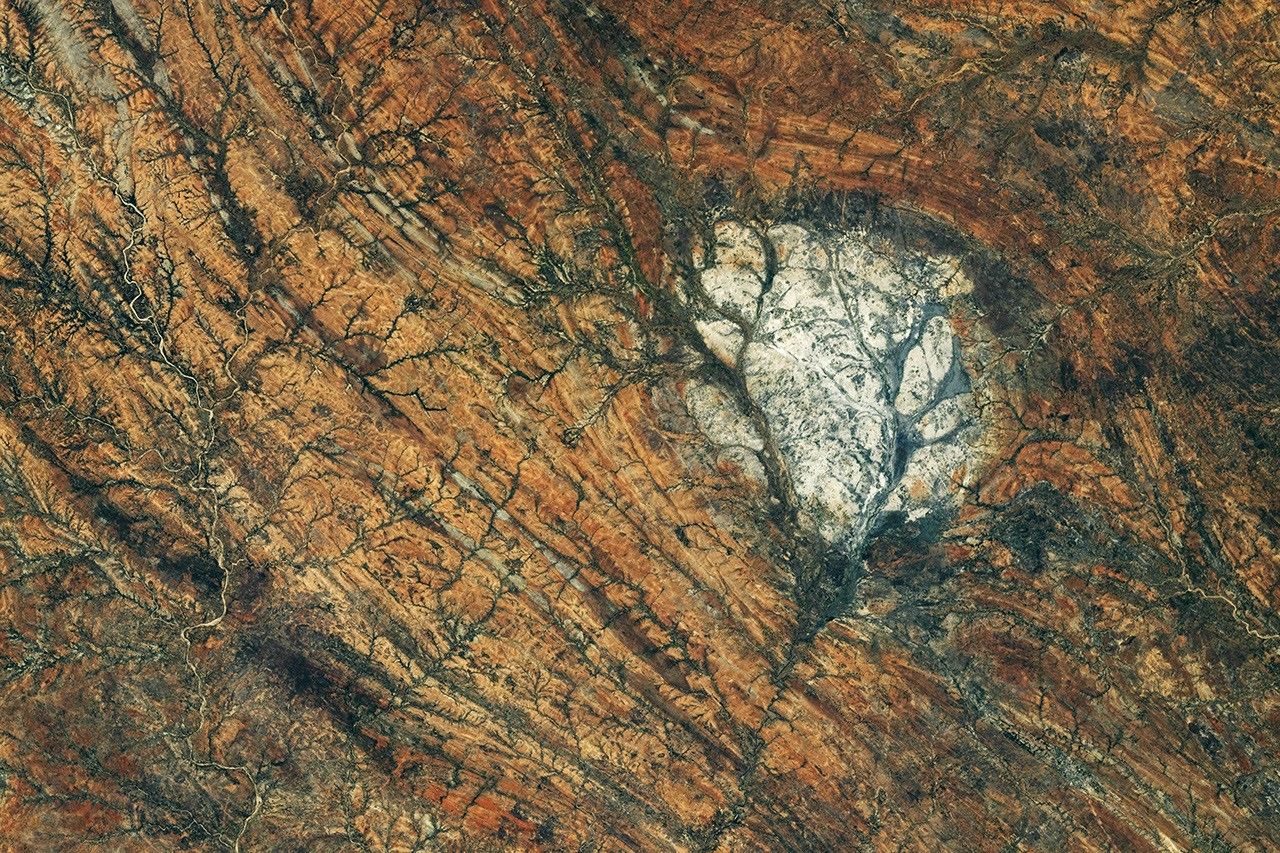
From an astronaut’s perspective looking back at Earth, a patch of bright rock in arid southern Madagascar may appear out of place. But it wouldn’t on the Moon. The igneous rock anorthosite, common on the Moon’s surface, is visible from Earth with the unaided eye as the light-colored, highly reflective areas known as the lunar highlands. Anorthosite also crops up across Earth’s surface, from eastern Canada and Scandinavia to southern India and Madagascar, where it forms a striking round feature.
An astronaut aboard the International Space Station captured this photo of the Saririaky anorthosite massif on August 28, 2026. Anorthosite is an intrusive igneous rock—formed from magma that cools beneath the surface—made up of large mineral crystals. Scientists think the massif seen here formed in the late Precambrian, at least 600 million years ago. Its present-day outcrop covers about 100 square kilometers (40 square miles).
The rocks surrounding the anorthosite reveal a dynamic chapter in the area’s geologic past. Researchers have determined that the Saririaky massif lies within a ductile shear zone, where high pressures and temperatures metamorphosed and reshaped the rock, imparting north-south-trending linear patterns.
Geologists think this deformation occurred when pieces of what are now Africa, India, Madagascar, Australia, and Antarctica were colliding to form the supercontinent Gondwana. Some scientists have posited that another anorthosite massif in the shear zone, located about 60 kilometers (40 miles) to the north, was pulled apart from the Saririaky massif in the process, creating a large-scale boudinage structure.
Anorthosites on Earth have proven useful for scientists studying the Moon’s past. Lunar anorthosites are more than 4 billion years old, having crystallized from the Moon’s magma ocean to form its outer crust. Researchers have analyzed samples brought back to Earth by Apollo astronauts, but because that material is limited, they also look to analogous terrestrial rocks. The anorthosites in the Beartooth Mountains of Montana match the composition of the lunar version particularly well.
Astronaut photograph ISS075-E-85249 was acquired on August 28, 2026, with a Nikon Z9 digital camera using a focal length of 400 millimeters. It is provided by the ISS Crew Earth Observations Facility and the Earth Science and Remote Sensing Unit at NASA Johnson Space Center. The image was taken by a member of the Expedition 75 crew. The image has been cropped and enhanced to improve contrast, and lens artifacts have been removed. The International Space Station Program supports the laboratory as part of the ISS National Lab to help astronauts take pictures of Earth that will be of the greatest value to scientists and the public, and to make those images freely available on the internet. Additional images taken by astronauts and cosmonauts can be viewed at the NASA/JSC Gateway to Astronaut Photography of Earth. Story by Lindsey Doermann.
References & Resources
- Ashwal, L.D., et al. (1998) Geology, petrology and isotope geochemistry of massif-type anorthosites from southwest Madagascar. Contributions to Mineralogy and Petrology, 133, 389-401.
- Earth & Solar System (2017, July 27) Impact Shock State of the Lunar Highlands. Accessed October 2, 2026.
- Martelat, J., et al. (2000) Strain pattern and late Precambrian deformation history in southern Madagascar. Precambrian Research, 102, 1–2.
- NASA Earth Observatory (2020, May 4) Montana’s Moon-Like Rocks. Accessed October 2, 2026.
You may also be interested in:
Stay up-to-date with the latest content from NASA as we explore the universe and discover more about our home planet.
An astronaut’s photo, taken en route to the Moon, reveals our planet and its place in space in a novel…

The tilt in Earth’s axis of rotation makes the apparent position of continents shift with the seasons in imagery from…
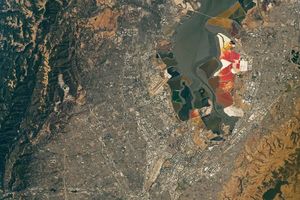
Over the years, astronauts aboard the International Space Station have photographed several of the cities hosting the 2026 FIFA World…




Curiosity Blog, Sols 5022-5028: Cashing in at Cache Creek
2026-10-04 21:13
3 min read
Curiosity Blog, Sols 5022-5028: Cashing in at Cache Creek
Written by Lucy Thompson, Senior Research Scientist, University of New Brunswick, Canada
Earth planning date: Friday, Sept. 25, 2026
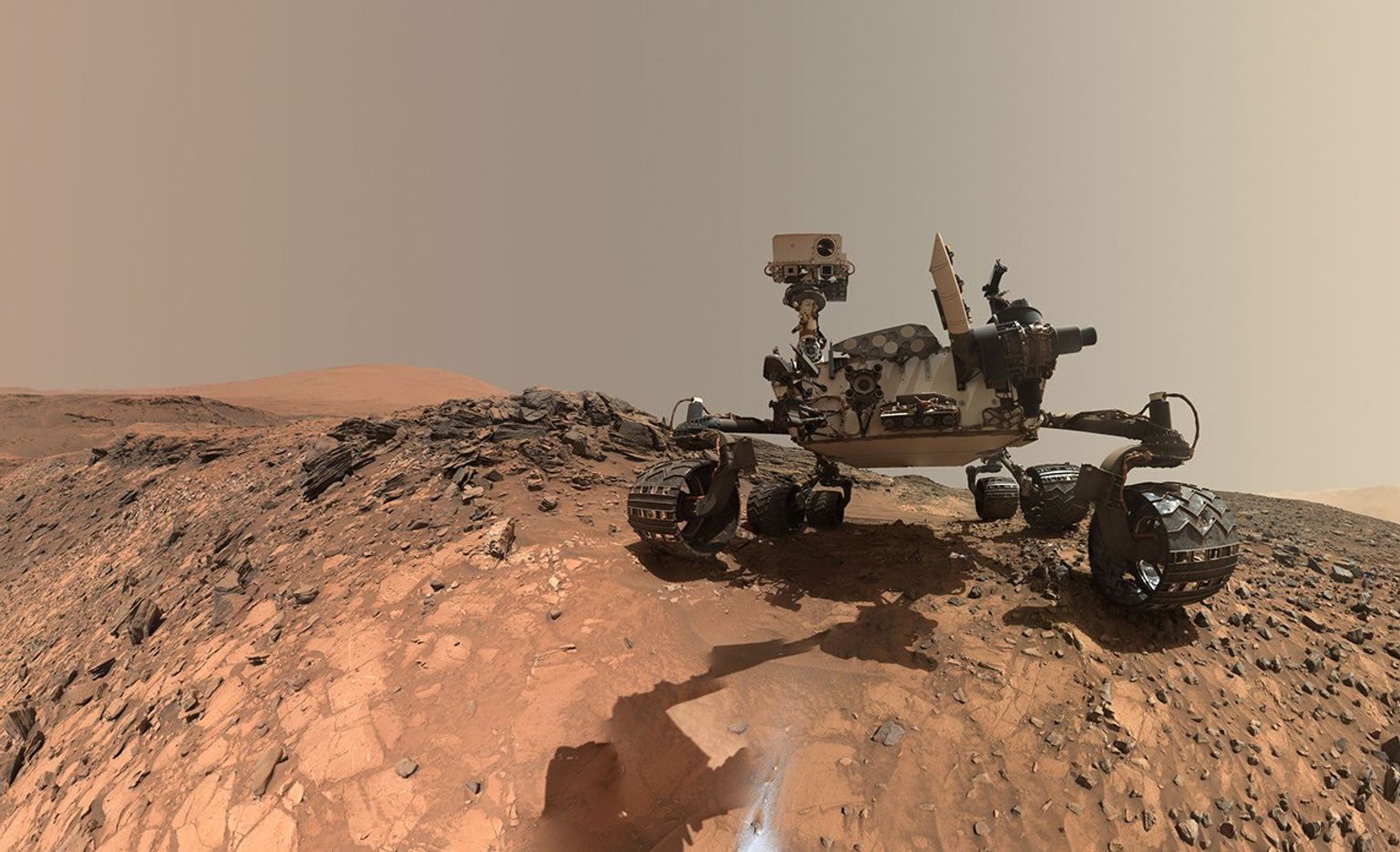
Before we landed, the area of Gale crater that we planned to explore was divided up into rectangular parcels with designated names. The names were chosen after small towns associated with significant geological features. Our selected targets (mesas, bedrock, soil, boulders, etc.) within those quads were then given unofficial names based on the theme of the quad. See the link here for more details on naming conventions on Mars. Curiosity has long since climbed above the quads that were selected before landing, and before her 14-year, 38-kilometer (24.6-mile) trek, which included more than 1 kilometer (0.6 miles) of elevation gain.
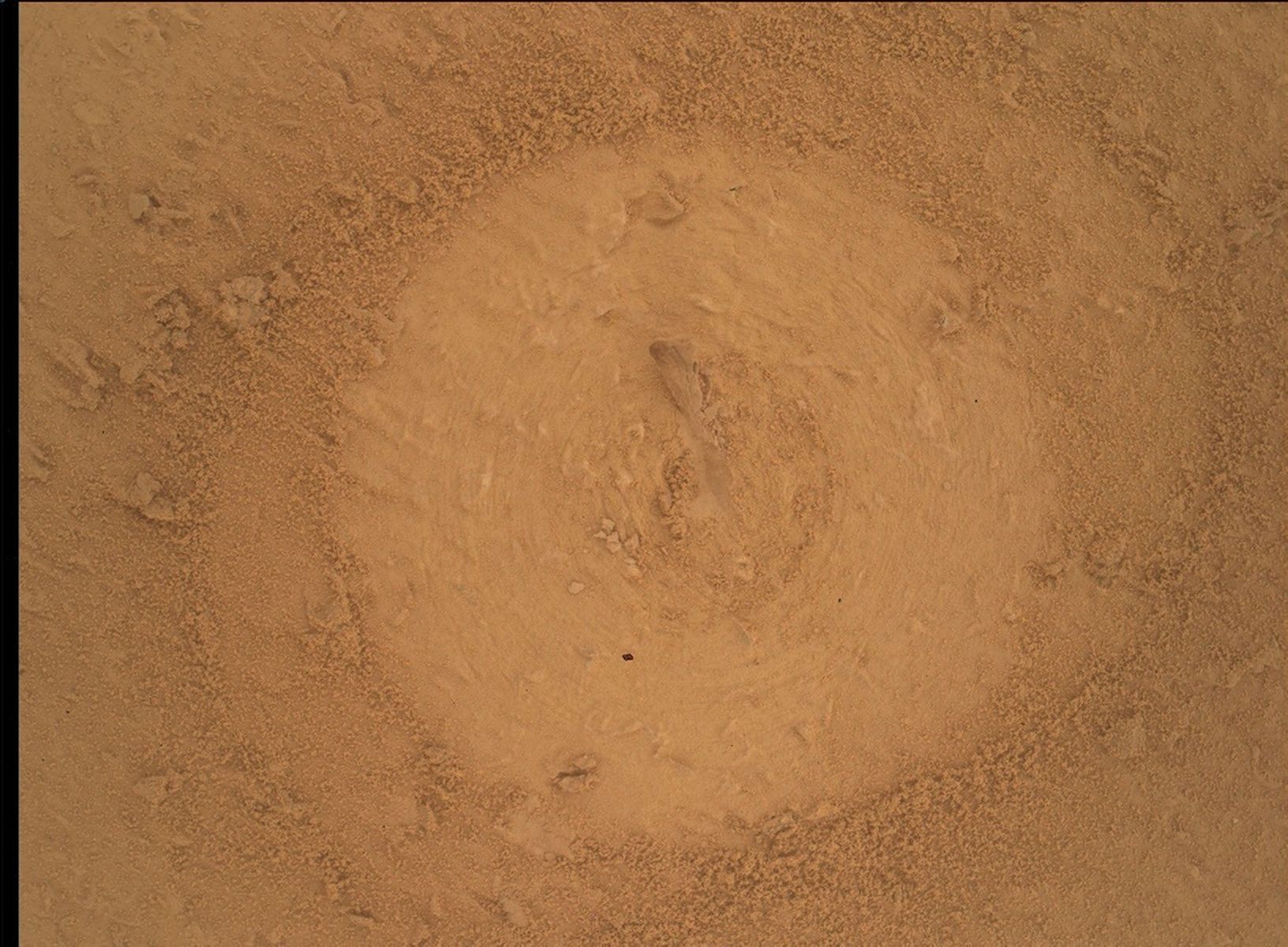
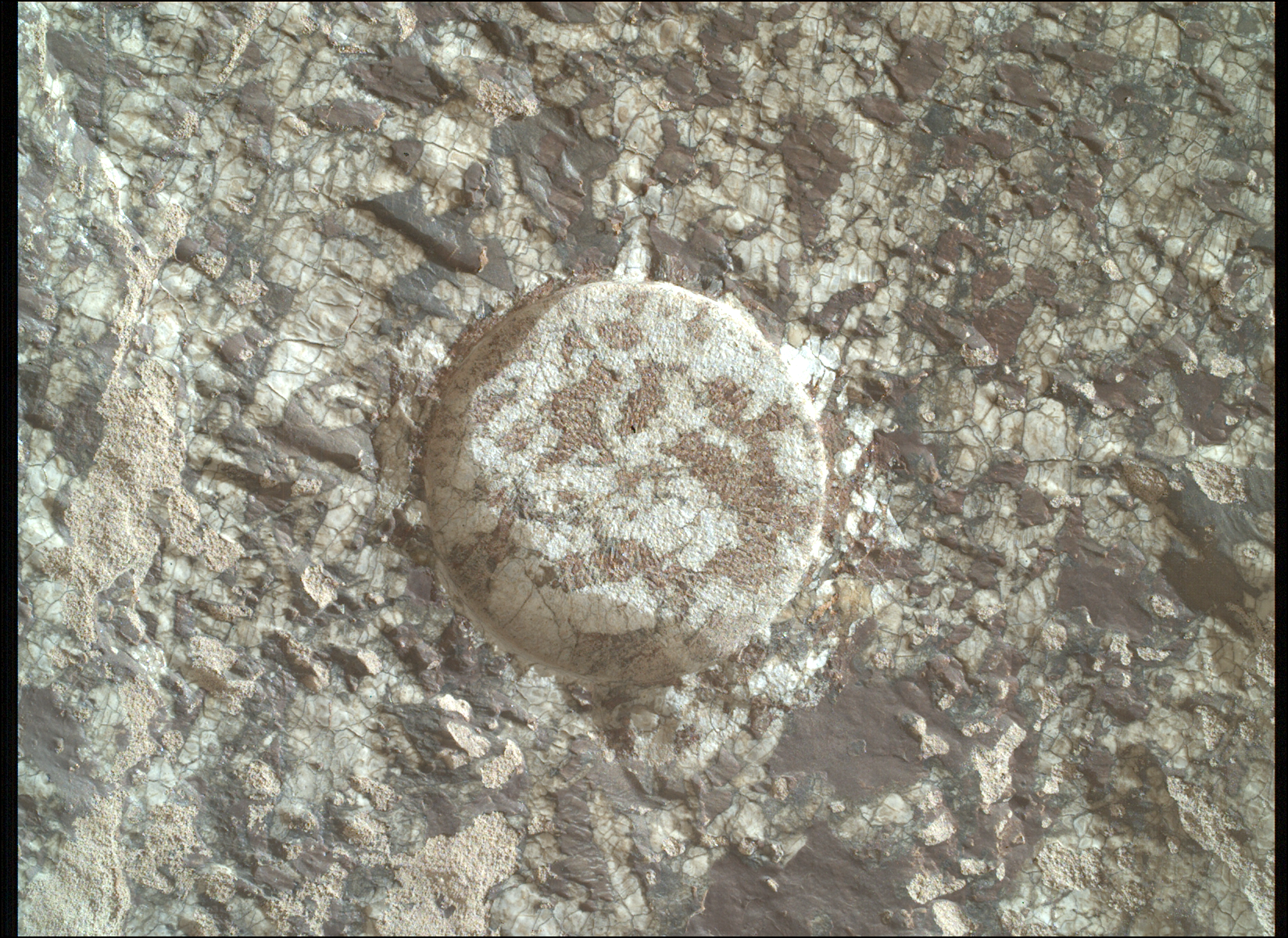
We recently entered the new Cache Creek quad, named after an area of geological diversity in British Columbia, Canada. The area in Canada includes exposures of oceanic crust, marine sediments, volcanic rocks, and glacial deposits, as well as being home to lakes with unusual chemistry that may be analogous to lakes that once existed on Mars. It also lies at the southern end of the 1860s Gold Rush Trail, where miners and prospectors flocked to this part of British Columbia in search of riches. This week we successfully drilled into our 48th rock target in Gale crater (“Basque Lakes”), from the Cache Creek quad. While we may not literally strike gold, we are all eagerly anticipating the outcome of the CheMin X-ray diffraction analysis of our drilled sample that will take place in this weekend plan. What gold mine of minerals will the sample contain? What can they tell us about the depositional and alteration history of this rock exposure — might there be similar minerals present as those associated with some of the lakes in the Cache Creek area of British Columbia?
As an APXS uplink lead and strategic planner this week I helped to plan the triage contact science on the potential Basque Lakes drill target and communicate the results to the rest of the team. We placed APXS in contact with the rock target to measure its chemistry, and the MAHLI camera to within 1 centimeter (about 0.4 inches) to examine in detail the textures. ChemCam also fired its laser at the Basque Lakes drill target to further characterize composition. MAHLI also imaged the target after the engineers checked the stability of the rock with a pre-load test. The results from all these activities helped to determine whether to proceed with drilling.
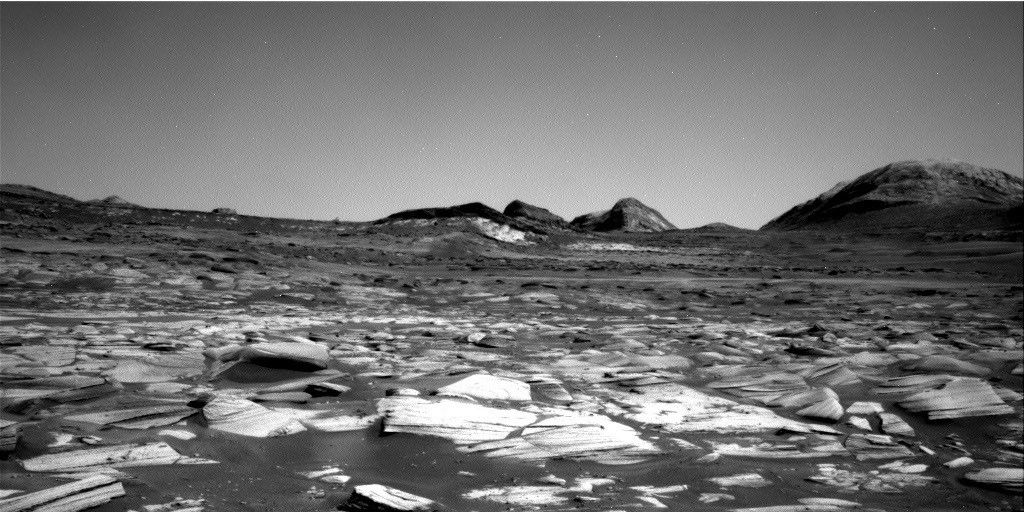
Despite significant power constraints associated with drilling and the accompanying analyses, as well as an aging rover, we were also able to plan additional activities. Mastcam imaged the surrounding terrain to provide context for our new drill sample. ChemCam was able to analyze the chemistry of another nearby bedrock target, “Peace River,” and use its imaging and passive spectroscopic capabilities to look at the new drill hole and surrounding tailings. ChemCam remote imaging was also used to examine an interesting-looking deposit of jumbled blocks at the base of a nearby butte, “Cordillera.”
We also utilized Navcam and Mastcam imaging in the continued monitoring of environmental and atmospheric conditions in Gale crater.
Analysis of the Basque Lakes drill sample should continue next week with delivery of material to SAM, which will reveal more nuggets of information regarding the history of this particular rock sample. Curiosity will likely be at this location for another week, before we dump the sample and drive away to continue our exploration of Mount Sharp and Gale crater.
Share
Details
Related Terms
Explore More
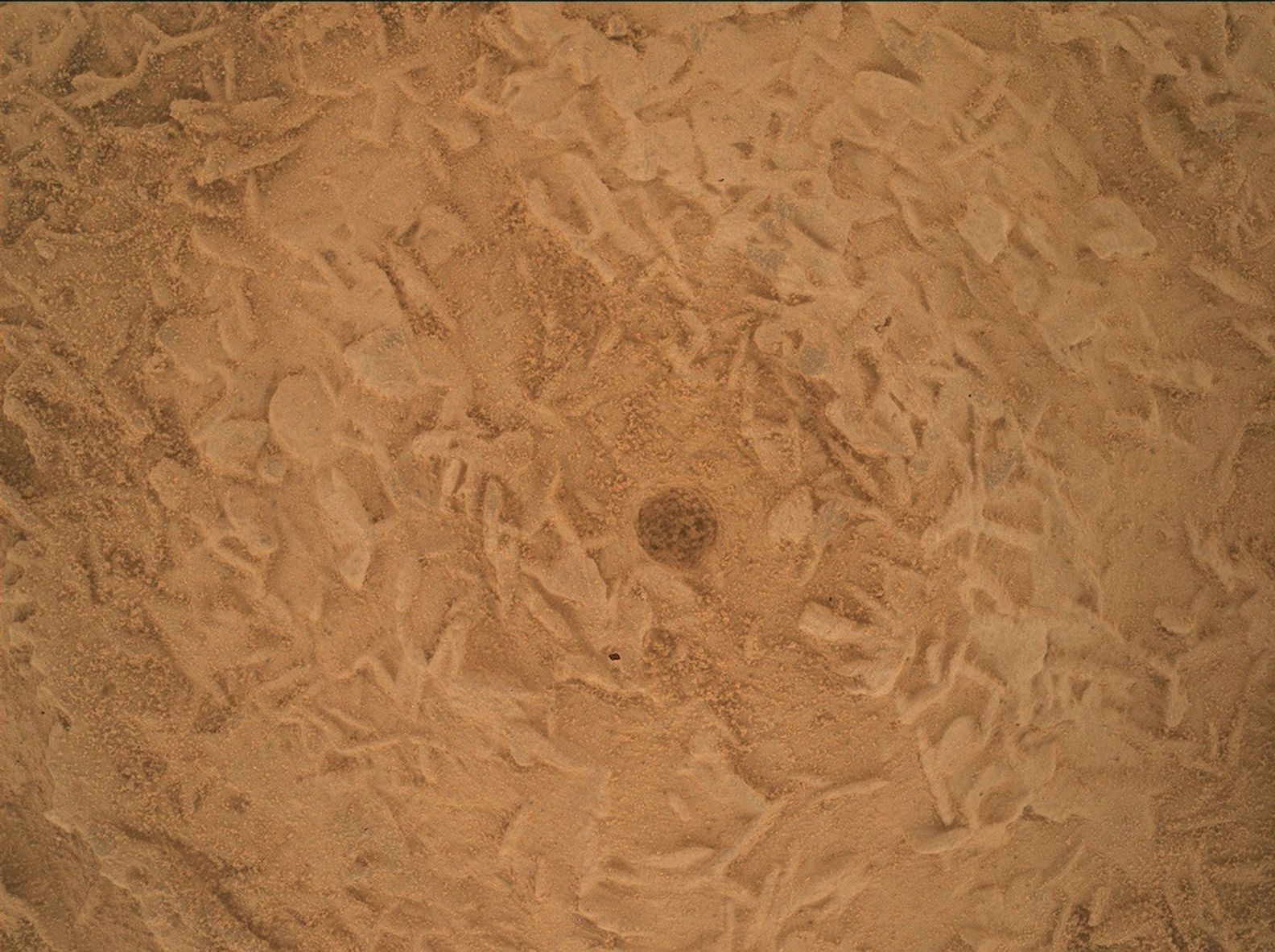
Mapping the Gaps in NASA’s Return to the Moon, featuring Richard Spolzino
2026-10-04 19:10
“I want to be able to look at a rocket launch and say, ‘I touched a piece of this.’”
That’s how Richard Spolzino describes the thing he’s chasing. Not a title, not a specific mission, not even NASA itself, just the ability to point at something real and know his work made it possible. At NASA’s Langley Research Center in Hampton, Virginia, Spolzino works within Moon Base’s mission architecture and systems interoperability effort, helping identify what NASA still doesn’t know about the Moon and Mars, and making sure that missing information gets found before it becomes a problem.

“For me, it kept coming back to where can I have the most impact? Where can my work touch the most things?“
From History to Aerospace
Spolzino didn’t set out to end up here.
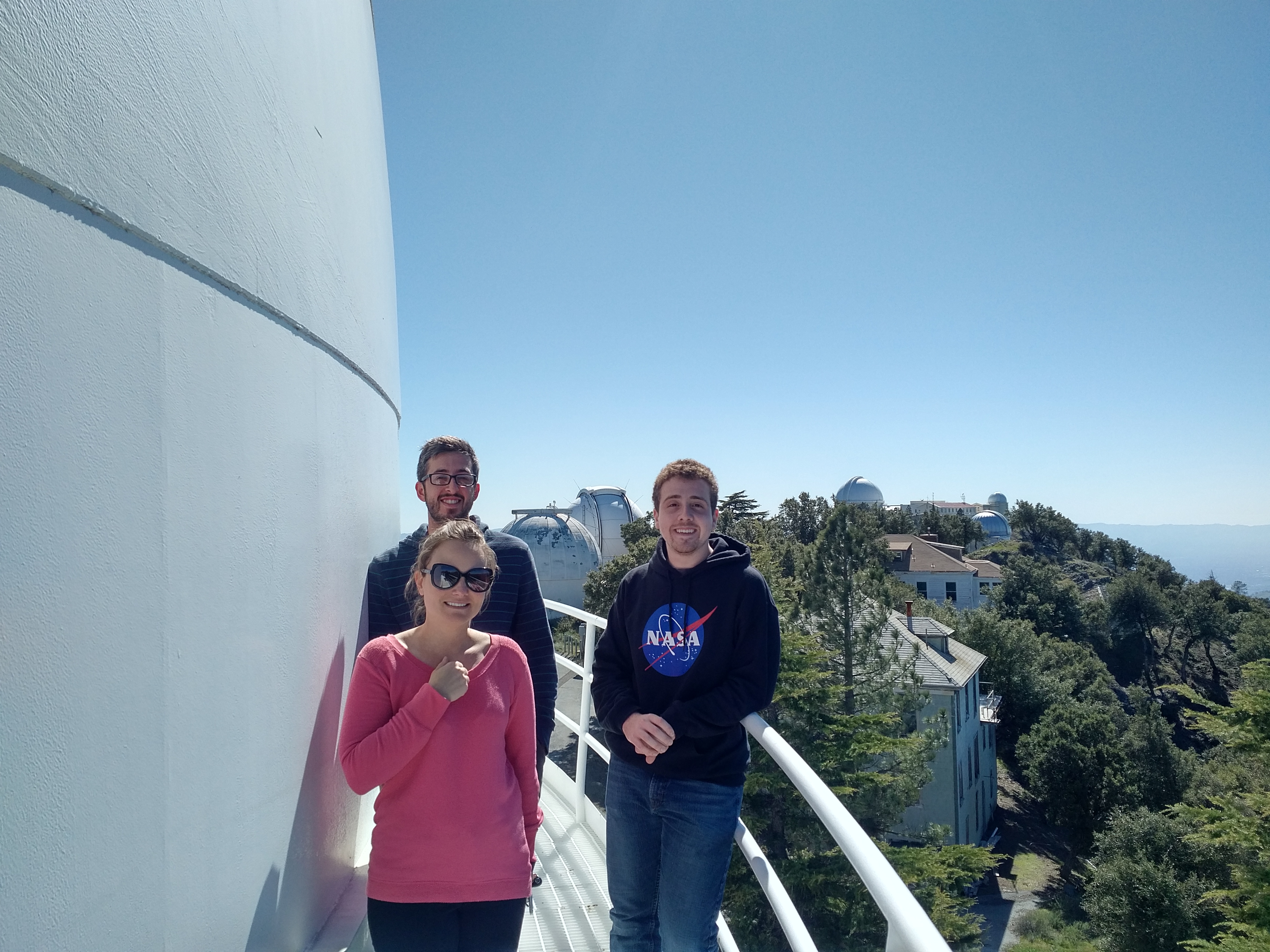
He started college as a history major. He switched to a physics track at Santa Clara University, thinking he’d end up in astrophysics. A research stint at Lick Observatory studying interstellar dust polarization taught him two things: the work was fascinating and, “I don’t think the staying-up-all-night thing is for me,” he says.
After graduation, he started down the path of Officer Candidate School in the Navy, hoping to fly jets. It didn’t pan out, and that detour led him to a graduate program at the University of Houston, combining aerospace engineering and space architecture — not the habitat-design kind of architecture people usually picture, but the systems-level kind, where a lunar oxygen plant connects to the rovers that feed it, which connect to the processor, which connects to the user drawing down the resource. “I was always more attracted to how all the pieces work together than to any single piece,” he says.
Chasing Impact
Ask Spolzino if he dreamed of working at NASA, and the honest answer is no.
“I really admire people who’ve had that drive their whole life,” he says. “For me, it kept coming back to where can I have the most impact? Where can my work touch the most things?” A University of Houston program with strong ties to Johnson Space Center put NASA on his radar alongside other options in industry and government. What ultimately drew him in wasn’t the agency’s name, it was the scope of the problems and the direct line he saw to senior decision-makers shaping the return to the Moon.
That’s also, he adds, exactly why NASA is worth considering for people who aren’t sure it’s their calling yet. The culture rewards people willing to take on more than their assigned lane and gives early-career employees room to grow into problems bigger than their job description, something he says he might not have found moving up more slowly in industry.
Documenting the Missing Piece
Spolzino’s day-to-day work centers on a deceptively simple idea: the data gap.
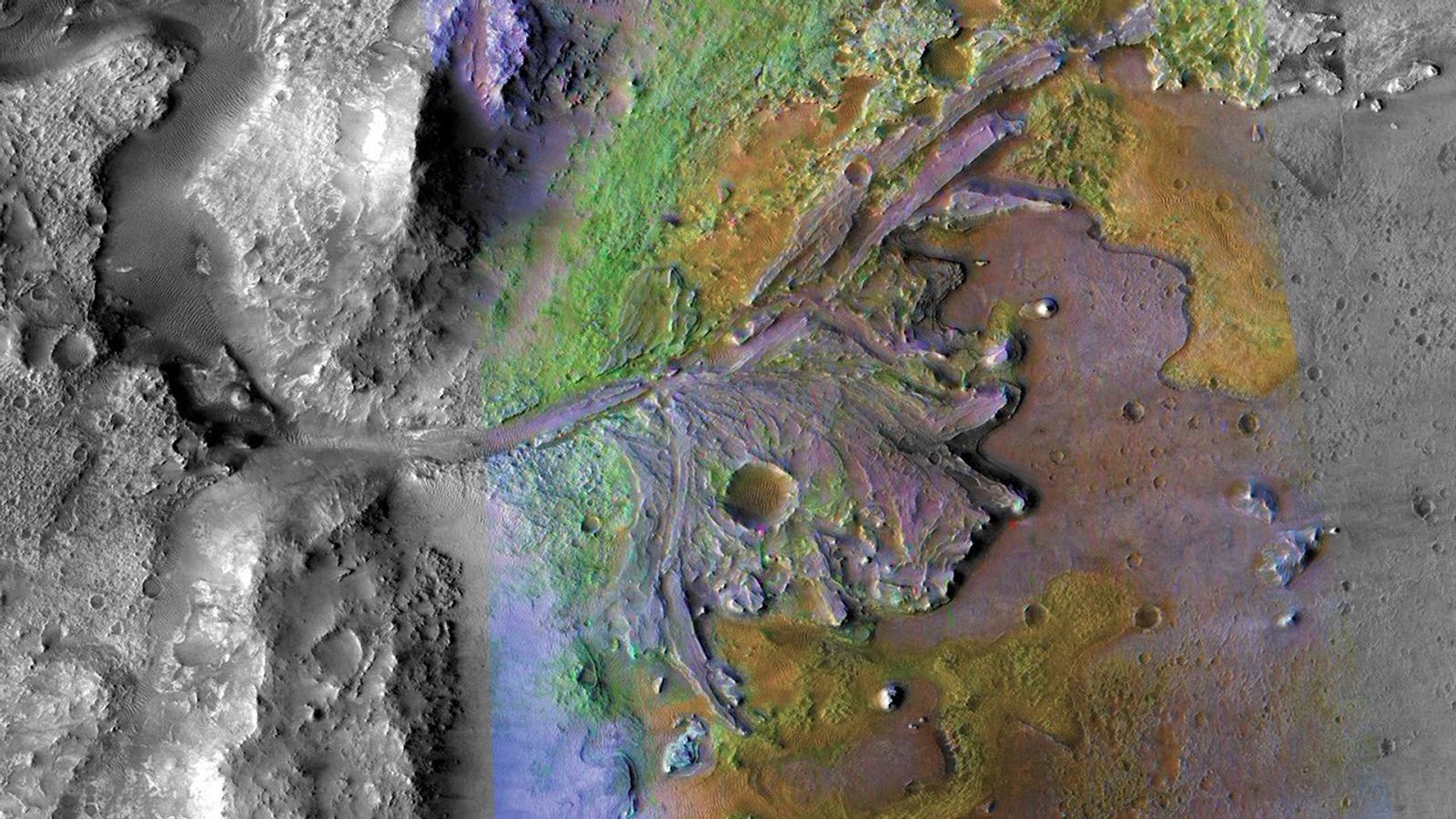
“You can think of it as synonymous with a knowledge gap,” he explains. “It’s a way of documenting the thing we don’t know.” Take the geotechnical properties of lunar regolith — moon dust, essentially, but the specifics matter enormously. How much weight can it bear? What’s its shear strength? Answering those questions shapes everything from how far a rover can safely drive to whether a habitat’s foundation will hold.
A data gap lays that out formally: what we don’t know, why it matters, what we currently have that falls short, and, critically, a specific measurable target industry and international partners can aim for. “Once we’ve identified what’s missing,” he says, “our partners can look at that list and see exactly where their contribution would be valuable.”
His team started with roughly 25 published data gaps last year. They’re on track for 60 by the end of this year.
From Concept to Cargo
The concept only matters if it changes decisions, and Spolzino cites two recent examples where it did.
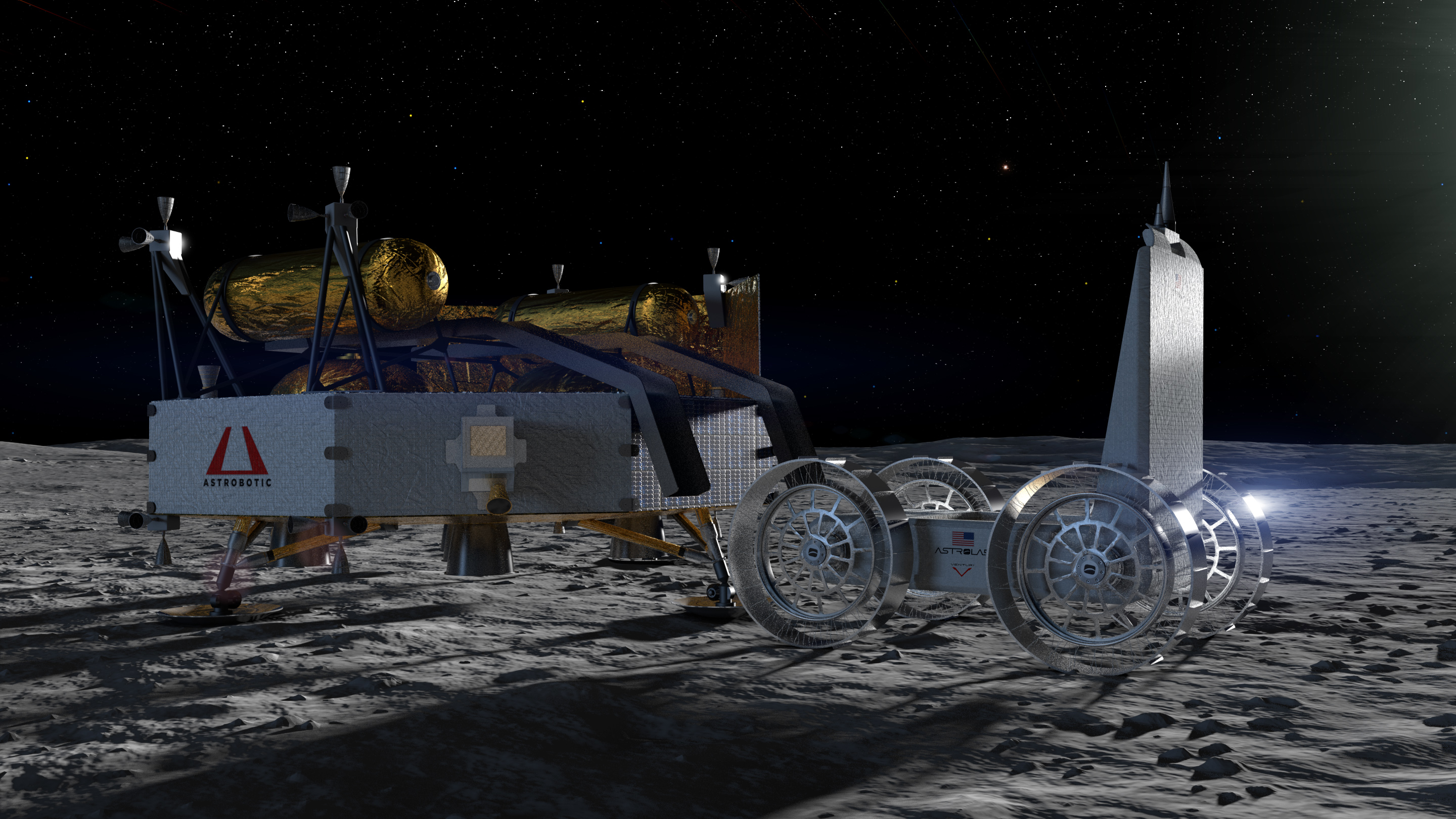
When the lunar lander company now known as Voyager (formerly Astrobotic) was preparing its upcoming Griffin-1 mission, the team didn’t help them figure out what instruments to fly since that was already locked in. Instead, Spolzino’s team helped them prioritize what data gets sent home first through a communication pipeline that can’t carry everything at once. “How do you prioritize all the things you say you want, and what gets sent back through that constrained pipeline?” he asks.
On the other side of the pipeline, Spolzino has spent recent months evaluating proposed instruments (spectrometers, sample collection tools, tech demonstrations) against the published data gaps to help leadership decide what’s worth flying. Some proposals map cleanly onto a documented need. Others don’t align with anything NASA has said it’s missing. “That’s used to filter down what gets pushed forward as a real candidate,” he says. Industry partners have taken notice, and leadership now asks companies pitching new instruments to show how their proposal maps to a data gap before the conversation goes any further.
Figuring It Out Takes Work
Spolzino admits the job reshaped an assumption he carried out of graduate school — that NASA had everything figured out, and that the agency’s reputation meant every question already had an answer somewhere inside its walls.
Three years in, he sees it differently. “Keeping the kind of reputation NASA has takes constant, deliberate work,” he says. “Everyone’s genuinely trying to pull in the right direction, but it’s not automatic.” That realization was clarifying for him. The agency runs on people figuring things out in real time, which means there’s room for someone early in their career to contribute meaningfully, rather than just executing someone else’s playbook.
His advice to students considering NASA is practical, not sentimental: Grades matter less than people think. “The projects you work on, and the results of that work, are what people look at first,” he says. His advice is to join clubs, take on real projects, and build something. “It’s less about credentials and more about giving yourself something to show up with.”
On Spolzino’s Sci-Fi Shelf
The Three-Body Problem trilogy by Liu Cixin
Spolzino was already deep into the second book, The Dark Forest, on a flight from New York to Houston when the plane was diverted to San Antonio. “I did not care that I was three or four hours late,” he says. “I had that book, and I was just devouring it.”
Kerbal Space Program
An older game, but a formative one. Spolzino credits it with cementing his interest in space before college even started. “It’s a space program simulator where you build rockets piece by piece, and the physics are simplified but accurate enough that you’re doing a lot of the same math as an actual mission design tool,” he says. “That really had a huge impact on me figuring out that space was the thing I wanted to do.”

Part of the Systems Analysis and Concepts Directorate at NASA’s Langley Research Center.
Learn more about our work by visiting our website.
APOD: 2026 October 4 – Supernumerary Rainbows over New Jersey
2026-10-04 04:05
APOD
Astronomy Picture of the Day
Discover the cosmos! Each day a different image or photograph of our fascinating universe is featured, along with a brief explanation written by a professional astronomer.

Supernumerary Rainbows over New Jersey
Explanation: Yes, but can your rainbow do this? After the remnants of Hurricane Florence passed over the Jersey Shore, New Jersey, USA in 2018, the Sun came out in one direction but something quite unusual appeared in the opposite direction: a hall of rainbows. Over the course of the next half hour, to the delight of the photographer and his daughter, vibrant supernumerary rainbows faded in and out, with at least five captured in this featured single shot. Supernumerary rainbows only form when falling water droplets are all nearly the same size and typically less than a millimeter across. Then, sunlight will not only reflect from inside the raindrops, but interfere, a wave phenomenon similar to ripples on a pond when a stone is thrown in. In fact, supernumerary rainbows can only be explained with waves, and their noted existence in the early 1800s was considered early evidence of light’s wave nature.
Your Sky Surprise: What picture did APOD feature on your birthday? (post 1995)
Tomorrow’s picture: open space
| Date | October 4, 2026 |
|---|---|
| Credit & Copyright | John Entwistle |
| Authors & editors: | Robert Nemiroff, Jerry Bonnell, Cecilia Chirenti, Keighley Rockcliffe |
| A service of: |
ASD at NASA / GSFC, NASA Science Activation & Michigan Tech. U. |
TechCrunch - Latest
Can Safeworld convince people that GenAI robots won’t hurt them?
2026-10-05 12:00
Google froze its open source bug bounty program due to a ‘significant rise’ in AI submissions
2026-10-04 20:31
Can ‘super intelligence’ and a non-binding safety pact solve AI’s image problem?
2026-10-04 20:08
TechCrunch Mobility: Reining in robotaxis
2026-10-04 16:05
Trump unveils his new Super Intelligence Force
2026-10-04 15:15











.svg)
