📰 Trending Topics
Google News - Trending
What’s Trending – November 3, 2026 - NEWS10 ABC
2026-11-03 13:05
Google News - Technology
New iPad mini hands-on: Refreshed design, OLED display, more - 9to5Mac
2026-11-03 14:00
- New iPad mini hands-on: Refreshed design, OLED display, more 9to5Mac
- The 2026 iPad Mini is a terrific tiny tablet — for a big price The Verge
- OLED iPad Mini Reviewed: Different Now That the Duo’s Here CNET
- The New iPad Mini Is a Dream Device, but Who Is It For? WIRED
- Hands-On: The OLED iPad Mini is Almost an iPad Pro Mini MacRumors
Apple unsure when it will get more foldable iPhones ahead of Christmas - BBC
2026-11-03 11:10
- Apple unsure when it will get more foldable iPhones ahead of Christmas BBC
- iPhone Duo vs Galaxy Z Fold 8: Is $2,000 worth it? Fox News
- Apple Q4 2026 earnings call: CEO John Ternus addresses iPhone Duo availability and increasing prices Mashable
- You’ll Never Guess How Scalpers Are Reportedly Snagging Rare iPhone Duos Gizmodo
- Apple says it’s ‘hard to predict’ when iPhone Duo constraints will improve TechCrunch
With World of Warcraft: Forever, Blizzard had to reconnect with what made WoW great in the first place - Engadget
2026-11-03 17:00
- With World of Warcraft: Forever, Blizzard had to reconnect with what made WoW great in the first place Engadget
- World of Warcraft: Forever Goes Live Globally November 4! Blizzard News
- WoW: Forever Makes Every Class More Powerful in Last-Minute Change Polygon.com
- World of Warcraft: Forever Interview - How Blizzard Approached The New Version, Balancing Release Cadences, & More MMORPG.com
- Maxroll’s World of Warcraft: Forever Guides IGN
Gaming Phones Are Finally As Obnoxious as Gaming PCs - Gizmodo
2026-11-03 16:10
- Gaming Phones Are Finally As Obnoxious as Gaming PCs Gizmodo
- Redmagic upgrades its liquid-cooled gaming phone with extra RGBs The Verge
- RedMagic 12 Pro brings its RGB liquid cooling and 185Hz screen to the global market - GSMArena.com news GSMArena.com
- Redmagic 12 Pro review: You’ve never gamed on a phone like this before 9to5Google
- What I learned after a weekend gaming on the new Snapdragon 8 Elite Extreme Gen 6 Android Authority
5 iPhone Features You Should Be Using After Updating To iOS 27 - Engadget
2026-11-03 14:15
- 5 iPhone Features You Should Be Using After Updating To iOS 27 Engadget
- iOS 27.2 adds two new features I’ve been really loving 9to5Mac
- Siri AI Gets More Capable in iOS 27.3 MacRumors
- 5 ways your iPhone’s new Suggested Actions can save you time – and how to enable them ZDNET
- iOS 27.2 Adds an Excluded Apps Setting to Control What Siri Can Access The Mac Observer
NASA - Breaking News
Astronaut and Earth
2026-11-03 16:37

CSA (Canadian Space Agency) astronaut Joshua Kutryk is pictured during the Oct. 29, 2026, spacewalk. The International Space Station was soaring 267 miles above the South Atlantic Ocean at the time of this photograph. Kutryk and NASA astronaut Anil Menon installed a new roll-out solar array on the space station and performed some get-ahead work for their next spacewalk, which will take place on Nov. 5, 2026. The pair will install the eighth and final roll-out solar array; together, the eight arrays will increase the station’s available power by up to 30%.
Image credit: CSA
TB 26-10 Printed Circuit Board Assembly Chip Resistor Body Cracking
2026-11-03 15:35
For more information, contact Joel W. Sills, Langley Research Center, joel.w.sills@nasa.gov.
Chip resistors are widely used in NASA projects, yet cases of alumina substrate cracking during environmental testing are rare. Two instances of thick-film chip resistor cracking were observed during thermal cycling after vibration, with fractures occurring across the short axis due to bending. Failure analyses ruled out defective lots and fatigue, identifying board flexure, component orientation, excessive solder, and mounting stresses as contributing factors. The bulletin recommends careful component placement, finite element analysis, controlled solder fillet height, thorough inspection, and functional thermal shock testing to mitigate flexure-induced cracking risks in ceramic body components on printed circuit boards.
Background
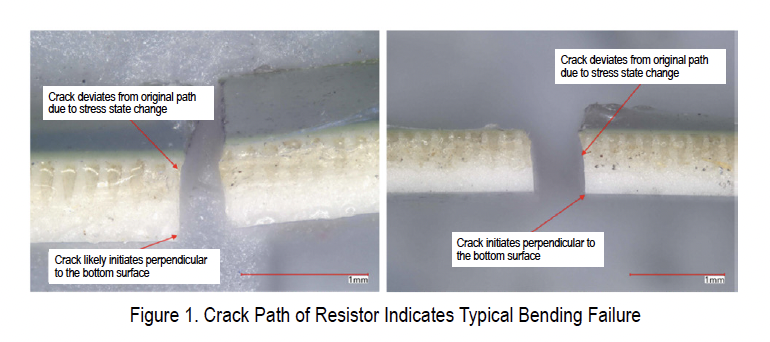
The NESC noted historical lack of reported cases of chip resistors’ alumina substrate cracking during vibration and thermal cycling, although chip resistors are ubiquitous across NASA projects. Two instances of thick film chip resistor body cracking were observed during environmental acceptance testing on printed circuit board assemblies. Both failures occurred during thermal cycling after vibration testing, exhibiting intermittent open circuit failures at hot dwell temperatures that recovered at room temperature. Transverse fracture occurred at the mid-span of each resistor, running parallel to the terminations. The two resistors were installed in similar locations near the edge of the boards on two identical boards. Cracks in failed resistors were along the short axis of the resistor due to apparent bending of the resistors, Figure 1. Resistors showed no signs of pre-existing defects.
Causal Relationships Initial theories pointed to vibration-induced damage of potentially defective resistors since both resistors came from the same production lot. However, the resistor lot not only meets the requirements of procurement specification MIL-PRF-55342 but additional tests were performed and did not reveal any direct evidence of a defective resistor lot. There was no evidence of an elevated risk of defective resistors within the production lot.
Failure Analyses
Independent failure analyses concluded that the cracked chip resistors were due to bending/tensile failures. There was no clear-cut root cause or visible defect identifying a crack initiation site. Both resistors exhibited a single, straight crack across the short axis (perpendicular to the long axis), indicating a bending/tensile failure without twisting.
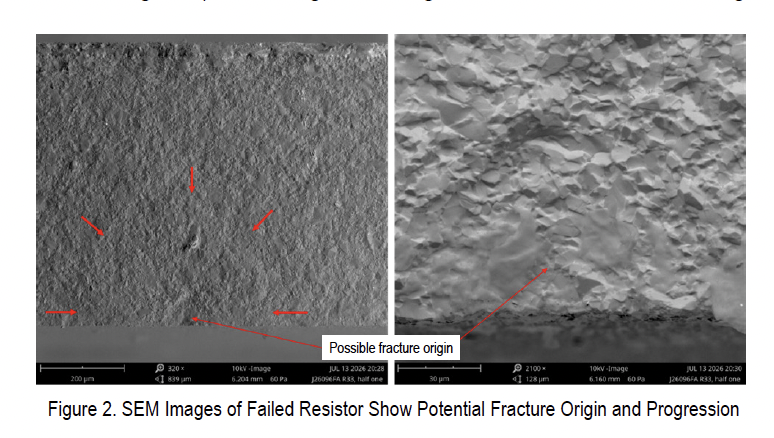
The damage signatures are not consistent with cyclic fatigue, likely ruling out fatigue failure during vibration. In addition, NESC independent optical and scanning electron microscopy (SEM), Figure 2, of both resistors did not identify any clear flaw locations for fatigue damage initiation and progression; therefore, the possibility of defective resistors as well as fatigue vibration as the root cause becomes unlikely.
Cause Conclusions
No direct root cause was identified, but contributing factors leading to increased design consideration needed for large footprint ceramic components located near the edges of a printed circuit board that can lead to stress cracks due to manufacturing or installation bow/twist of the printed circuit board include:
- Location of the relatively large resistors (case size 2512) next to the edge of the board with resistor’s long axis parallel to the card edge, increasing susceptibility to board flexure-induced damage.
- Excessive solder that extended to the top pads on the resistor terminations.
- Excessive bending moments or loads resulting from board bow/twist.
- Hard mounting the board to a rigid frame, which can store and amplify these bow/twist stresses.
- Suboptimal fastener torquing patterns, which may concentrate mounting stresses specifically at the resistor locations.
Guidelines for Assembly of Ceramic Body Components to Printed Circuit Boards
The following guidelines are to be considered given the recent experience.
- Component Orientation: Avoid orienting the long axis of large footprint ceramic components parallel to nearby printed circuit board edges to reduce susceptibility to global and local flexure damage.
- Finite Element Analysis: Perform sufficient Finite Element Analysis to demonstrate adequate stress and displacement margins on large components when they must be placed near the edge of the board.
- Solder Joint Fillet Limits: Keep solder off the top surface of terminations. Solder on top creates a rigid joint that transfers printed circuit board flexure directly into the ceramic increasing risk of flexure-induced cracking. Consult the individual parts manufacturers for guidance, as they may place specific limits on solder fillet height.
- Solder Joint Inspection: Inspect physical solder joints or review photographic images of the joints to verify that components have sufficient, but not excessive, solder fillets according to manufacturer limits.
- Functional Thermal Shock Testing: Perform one to three thermal cycles, including a hot-dwell functional test, prior to vibration testing, to document as built component integrity.
References
1. MIL-PRF-55342 Resistor, Chip, Fixed, Film, Nonestablished Reliability, Established Reliability, Space Level
2. MIL-PRF-55342/9 Resistor, Fixed, Film, Chip, Nonestablished Reliability, Established Reliability, Space Level, Style RM2512
3. MIL-STD-202 Method 218 Board Flex
NASA Astronaut, STEM Creator Connect with Students for STEM Day
2026-11-03 15:15
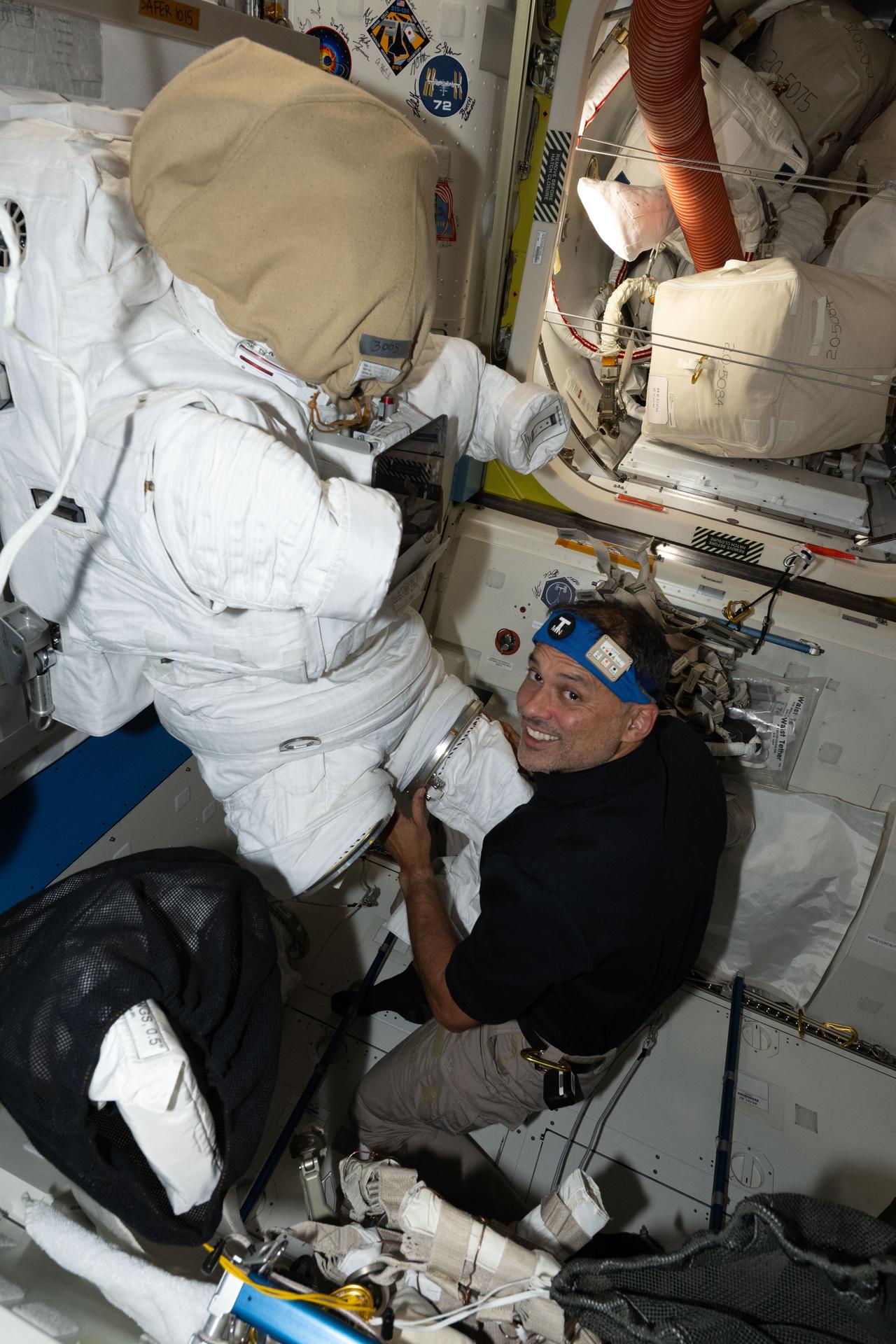
Students across the country will have the opportunity to connect directly with the International Space Station during a live, interactive in-flight call with NASA astronaut Anil Menon and Mark Rober STEM content creator and founder of ClassCrunchLabs Foundation. The event, hosted by NASA’s Office of STEM Engagement, celebrates National STEM Day by bringing real‑world science, engineering, and exploration into classrooms nationwide.
The Earth-to-space call will begin at 11 a.m. EST on Wednesday, Nov. 4, and will be available to watch on the agency’s flagship YouTube with additional engagement across Learn With NASA channels.
From aboard the space station, Menon will answer questions from students about living and working in microgravity, the path to becoming an astronaut, and the technologies that make human spaceflight possible. Rober, joining from California, will share how curiosity, creativity, and hands‑on problem‑solving shaped his career from NASA engineer to STEM creator.
A look at STEM in action
During the downlink, students will see the space station in real time as Menon demonstrates how everyday activities, from eating to experimenting, change in microgravity. The downlink supports NASA’s broader effort to connect students with authentic STEM experiences to help build technical skills and introduce aerospace careers to students. National STEM Day is an opportunity to recognize the power of hands‑on learning and to inspire the next generation of scientists, technicians, engineers, and innovators who will carry NASA’s exploration goals forward.
A new collaboration to expand STEM access
This downlink also marks the launch of a new collaboration between NASA and the ClassCrunchLabs Foundation. Together, the organizations will work to broaden access to STEM learning experiences for students across the country by aligning NASA’s mission‑driven educational resources with CrunchLabs’ hands‑on engineering content. Through shared programming and outreach, the partnership aims to inspire more learners to engage with science, engineering, and problem‑solving skills that prepare them for future opportunities in the aerospace sector and beyond.
Educators and families are encouraged to tune in and celebrate National STEM Day with an inspiring conversation between a NASA astronaut in orbit and a STEM educator on Earth.
For more information on NASA in-flight calls, visit:
APOD: 2026 November 3 – Comet PanSTARRs and Rainbow Meteor
2026-11-03 05:05
APOD
Astronomy Picture of the Day
Discover the cosmos! Each day a different image or photograph of our fascinating universe is featured, along with a brief explanation written by a professional astronomer.
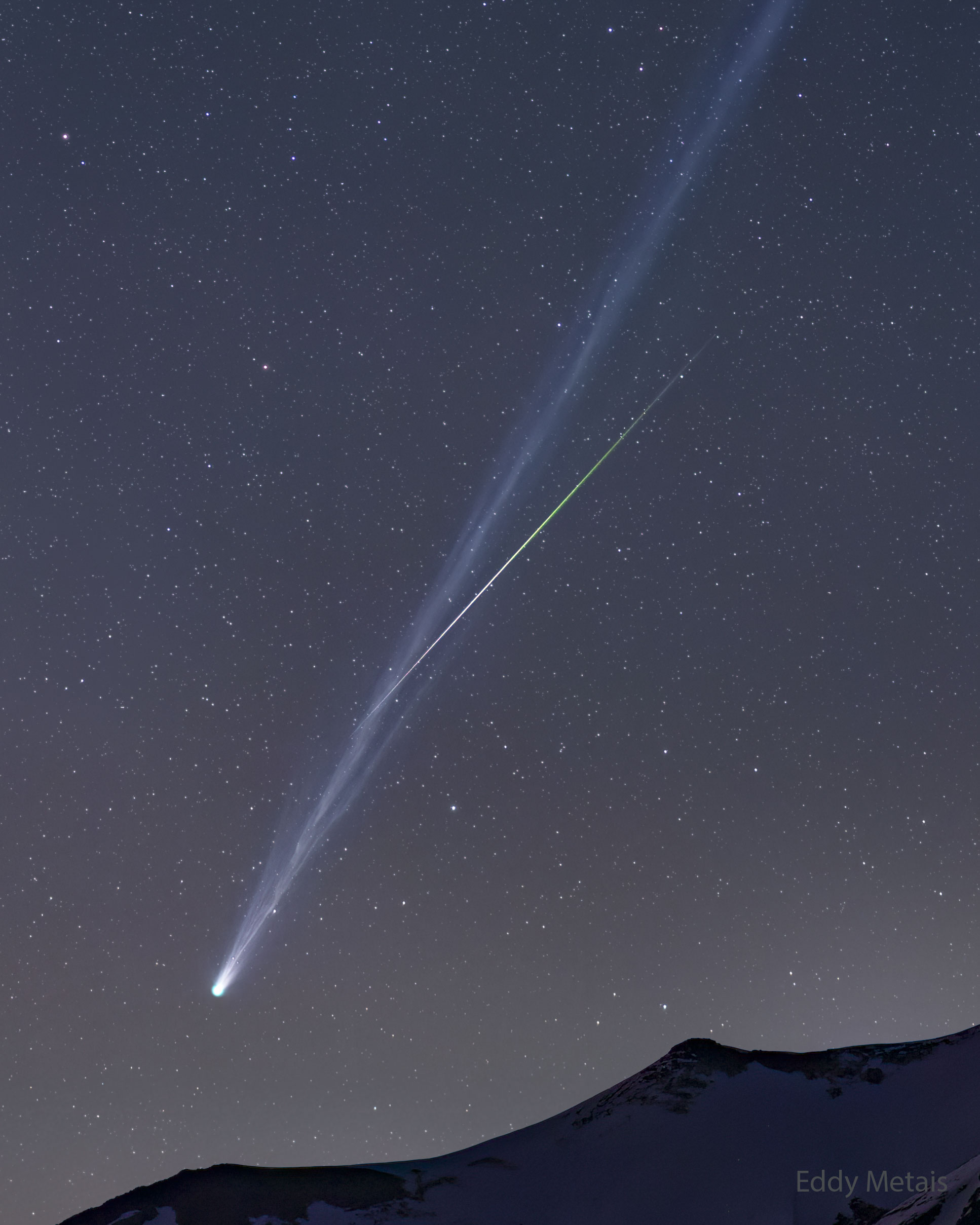
Comet PanSTARRs and Rainbow Meteor
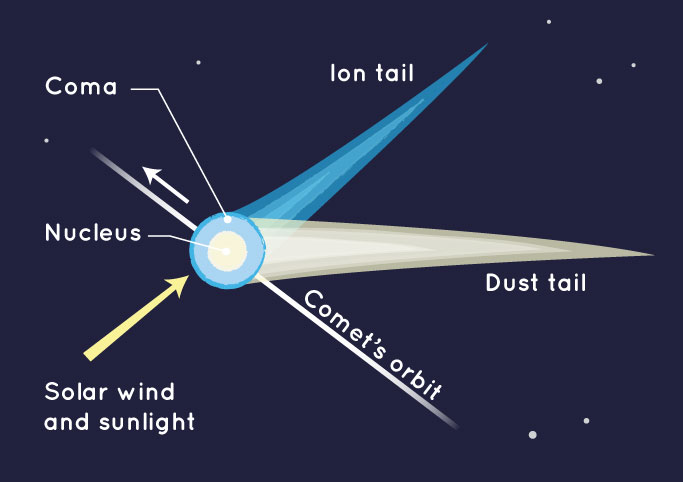
Explanation: Did this meteor come from that comet? Probably not. Although many meteors do originate from comets, there are thousands of comets that have visited the inner Solar System recently, and matching meteors to them can be tricky. And to be clear, the pictured comet is far behind the streaking meteor. Comet C/2025 R3 (PanSTARRS) was captured from Hautacam, France in April when the giant space iceberg sported impressive ion (blue) and dust tails. Sand-sized rocky debris that enters Earth’s atmosphere typically appears as meteors, while the colorful foreground streak here may indicate a complicated composition. This month three notable meteor showers will reach their peaks. Over the next few days, the Southern Taurids will be reaching their apex, while the Northern Taurids will top out about a week later. Both originate from Comet 2P/Encke. November is most famous for the Leonids Meteor Shower, though, which originates from Comet 55P/Tempel-Tuttle and will reach its crescendo in about two weeks.
Tomorrow’s picture: a hidden gem
| Date | November 3, 2026 |
|---|---|
| Credit & Copyright | Eddy Metais |
| Authors & editors: | Robert Nemiroff, Jerry Bonnell, Cecilia Chirenti, Keighley Rockcliffe |
| A service of: |
ASD at NASA / GSFC, NASA Science Activation & Michigan Tech. U. |
The Pacific’s Busy Storm Season
2026-11-03 05:01
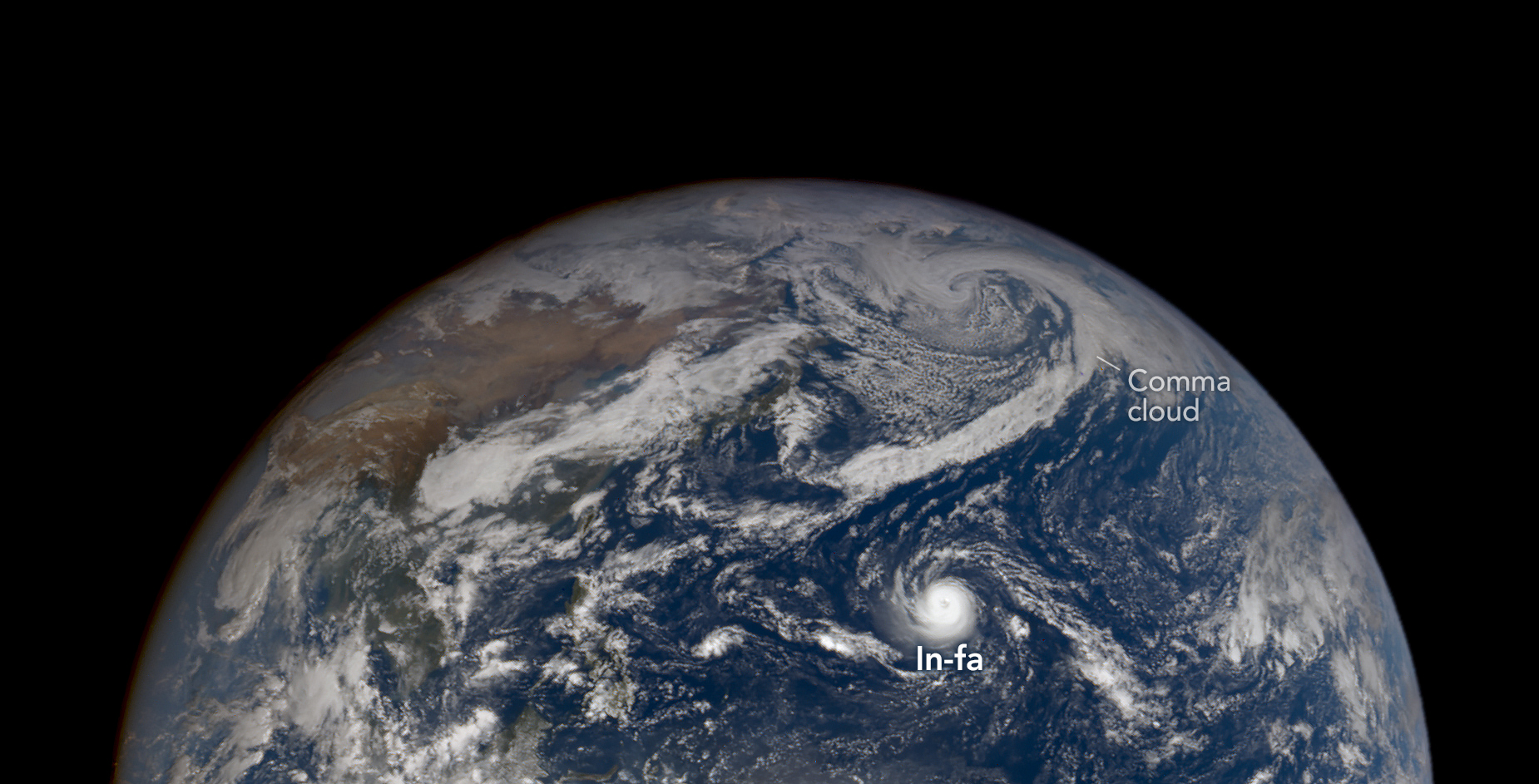
Tropical cyclone activity in the Northwest Pacific Basin has been elevated since April 2026, when Sinlaku surged to super typhoon strength and battered Micronesia, Guam, and the Northern Mariana Islands. Twenty-five named storms later, the basin still hummed with activity in late October.
When the EPIC (Earth Polychromatic Imaging Camera) on the DSCOVR (Deep Space Climate Observatory) satellite captured this image (above) on October 29, 2026, Super Typhoon In-fa churned near the Mariana Islands. At the same time, the remnants of Typhoon Champi approached Alaska amid a parade of storms moving across the Bering Sea. In-fa is the fifth typhoon to affect the Mariana Islands this year.
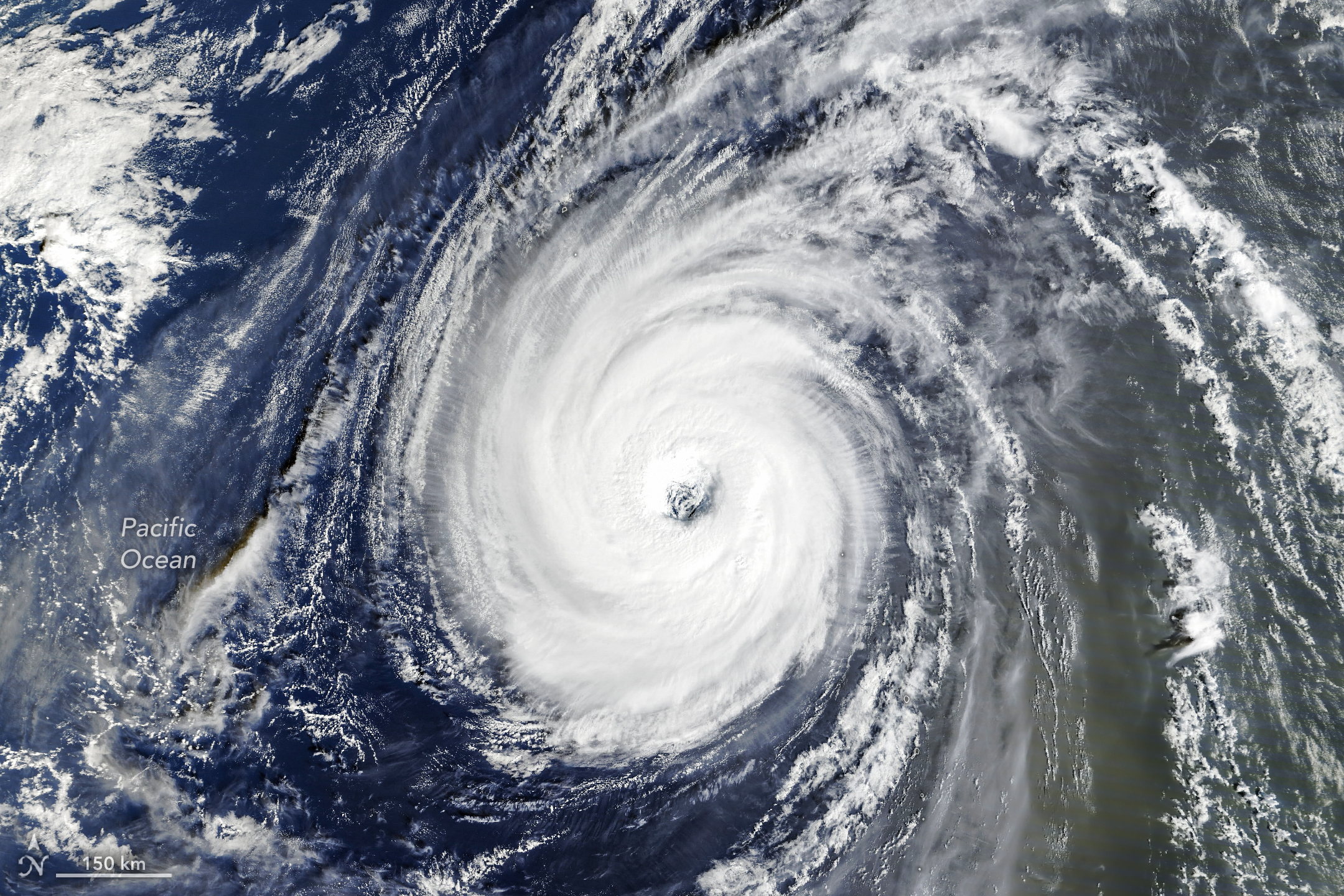
The MODIS (Moderate Resolution Imaging Spectroradiometer) on NASA’s Terra satellite captured the image of In-fa below on October 30, when the storm was just west of the island chain. In-fa was unusually intense at the time of the image, with a nearly circular shape and large eye—a collection of characteristics that meteorologists use to identify a subset of tropical cyclones known as annular storms. These storms typically lack prominent outer spiral-shaped rainbands—a common feature of standard tropical cyclones—which is why meteorologists have a habit of calling annular storms “doughnuts” or “truck tires.”
Annular storms are rare, accounting for just 4 percent of tropical cyclones in the western North Pacific, according to one analysis. Their eyes average about 45 kilometers (30 miles) in diameter, compared to about 25 kilometers for standard tropical cyclones, and the storms typically maintain their strength longer in unfavorable conditions.
In-fa was still a tropical cyclone when EPIC captured the image at the top of the page, but Champi’s leftovers had gone through the process of extratropical transition and become a whole different type of storm as they entered the Bering Sea’s busy storm track. Tropical cyclones are warm-core storms fueled by the heat and moisture of warm ocean water, but extratropical cyclones typically have cold cores and draw energy from temperature contrasts between warm and cold air masses.
Unlike tropical cyclones, extratropical cyclones typically develop fronts and huge, spiraling cloud bands shaped like commas. “One of the calling cards of extratropical transitions is the expansion of a storm’s wind field,” said Gary Partyka, a meteorologist at NASA’s Goddard Space Flight Center. “It’s not that the winds necessarily grow stronger, but they cover a much larger area,” he said.
In this case, there likely would still have been a midlatitude storm over the Bering Sea, possibly with large, comma-shaped clouds on October 30, even without Champi’s remnants, he added. “But it looks like Champi became intertwined with and helped intensify that system,” he said.
Champi’s transformation came after a long and destructive tour through the West Pacific, during which the typhoon achieved maximum sustained winds of nearly 300 kilometers (185 miles) per hour, prompting some observers to call it one of the strongest storms of the season.
Despite narrowly skirting Taiwan and Guam, the powerhouse storm brought damaging winds and intense rains to both places, as well as to parts of China and Japan. When the remnants hit Alaska, the state avoided catastrophic damage on the scale of what happened after ex-typhoon Halong struck in October 2025, but some areas did see high winds and heavy rain and snowfall, according to news reports.
Champi is the fourth ex-typhoon to enter Alaskan waters this year, noted University of Alaska Fairbanks meteorologist and climatologist Rick Thoman, following Bang-Lang in August, Dujuan in September, and Choi-wan in early October. The autumns of 1997 and 2015—both very strong El Niño years—had three each, he added. Roughly 60 ex-typhoons have impacted the state since 1970, according to Thoman.
Partyka described 2026 as a “particularly active year” for Pacific tropical cyclones, increasing the chances that Alaska would be affected by storms that have gone through extratropical transitions. The strong El Niño underway in the Pacific is a “likely contributor” to the increased activity, he added.
El Niño is a climate pattern that emerges roughly every two to seven years, marked by warmer-than-normal water temperatures in parts of the equatorial Pacific. In the Northwest Pacific, the phenomenon tends to cause storms to more readily curve northward rather than continuing westward to East Asia and Southeast Asia, some experts say, bringing more storms toward Guam, the Northern Mariana Islands, Japan, and the Korean Peninsula.
NASA Earth Observatory images by Michala Garrison, using data from DSCOVR EPIC and MODIS data from NASA EOSDIS LANCE and GIBS/Worldview. Story by Adam Voiland.

References & Resources
- AccuWeather (2026, October 26) Super Typhoon In-fa is the 5th typhoon to affect the Mariana Islands this year. Accessed November 2, 2026.
- Camargo, S. & Sobel, A. (2005) Western North Pacific Tropical Cyclone Intensity and ENSO. Journal of Climate, 18(15), 2996–3006.
- Colorado State University (2026) Real-Time Northwest Pacific Ocean Statistics by Storm for 2026. Accessed November 2, 2026.
- DW (2026, September 23) How El Nino is shaping tropical storms worldwide. Accessed November 2, 2026.
- Fox Weather (2026, October 31) Brewing Super El Niño helps support monster Super Typhoons across the Western Pacific. Accessed November 2, 2026.
- Knaff, T., et al. (2008) Objective Identification of Annnular Hurricanes. Weather and Forecasting, 18, 204-223.
- Knaff, T., et al. (2003) Annular Hurricanes. Weather and Forecasting, 18, 204-223.
- KYUK (2026, October 28) Ex-typhoon Champi tracks toward Bristol Bay, impacts expected across Western Alaska. Accessed November 2, 2026.
- National Weather Service (2026, October 30) Northern Alaska Forecast Discussion. Accessed November 2, 2026.
- National Weather Service (2026, October 29) Marianas Synopsis. Accessed November 2, 2026.
- Plumb & Thoman (2025, November 13) Typhoon Halong hits Alaska. Accessed November 2, 2026.
- Thoman, R. via Bluesky (2026, October 29) Ex-typhoon Champi into the SW Bering Sea Thu AM. Accessed November 2, 2026.
You may also be interested in:
Stay up-to-date with the latest content from NASA as we explore the universe and discover more about our home planet.
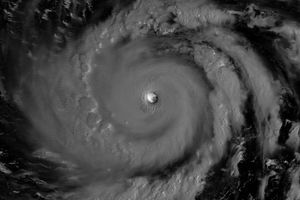
The third category 5 tropical cyclone of 2026 crossed the U.S. Northern Mariana Islands and Guam before continuing toward Asia.
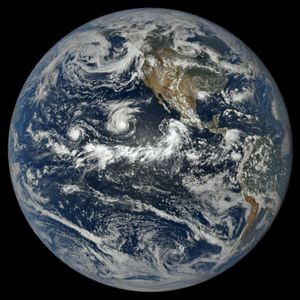
The Pacific was buzzing with storms while the Atlantic was notably quiet.
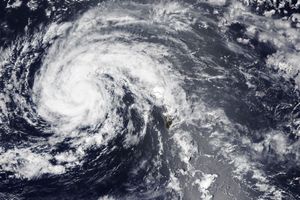
The powerful storm delivered extreme rainfall and damaging winds to the state, passing the Island of Hawaiʻi as a category…



TechCrunch - Latest
Reddit tests ads in search results as traffic declines and growth concerns mount
2026-11-03 19:24
Ten years later, ‘Pokémon Go to the polls’ still haunts the internet
2026-11-03 19:04
Ferrari’s controversial Luce EV is sold out for 2027
2026-11-03 18:51
Netflix’s new AI Discover tab helps you find something to watch based on your mood
2026-11-03 18:42
CrowdStrike to shell out nearly $500M for 2 AI security startups as the market for securing agents takes off
2026-11-03 17:56