📰 Trending Topics
Google News - Trending
Google News - Technology
Google’s first data center satellite is online and writing poetry - TechCrunch
2026-10-30 17:00
- Google’s first data center satellite is online and writing poetry TechCrunch
- We’ve received our first response from the Project Suncatcher prototype satellite. blog.google
- Google satellite with TPU writes haiku after starting operations in orbit — TechCrunch UA.NEWS
- Google’s Space AI just wrote a Haiku from orbit; here’s how it did it The Economic Times
- Google’s Suncatcher Prototype Responds to Its First Ground Prompt in Orbit www.tokenpost.com
iOS 27.2 adds new Find My feature at just the right time - 9to5Mac
2026-10-30 15:20
- iOS 27.2 adds new Find My feature at just the right time 9to5Mac
- New tvOS 27.2 Features To Try For An Upgraded Apple TV Experience Engadget
- Older Siri Remotes Now Show Up in Find My With iOS 27.2 MacRumors
- tvOS 27.2 just launched for Apple TV 4K, here’s what’s new 9to5Mac
- Apple released new updates for Apple TV, HomeUnder the Vision Pro Letem světem Applem
Lenovo Googlebook 15 Review: Your Android Phone's New Best Friend - Engadget
2026-10-30 12:00
- Lenovo Googlebook 15 Review: Your Android Phone's New Best Friend Engadget
- Here's how I replicated 3 of the Googlebook's best features on a $60 Linux laptop How-To Geek
- MacBook Neo vs Googlebook: The Better Laptop Isn't the Better Computer Yet Memeburn
- We asked which Googlebook you'd buy and many said they’d pass Android Authority
- Asus Googlebook 14 review: Lovely hardware; now, about that software Expert Reviews
This electric screwdriver uses a camera and AI to figure out what bit you need - The Verge
2026-10-30 14:23
- This electric screwdriver uses a camera and AI to figure out what bit you need The Verge
- 52-in-1 electric screwdriver identifies the screw and torque for you New Atlas
- The UK's first smart screwdriver with artificial intelligence, which selects the attachments itself, has been created Українські Національні Новини (УНН)
- Arrowspace’s $119 screwdriver identifies screws and lights up the matching bit Yanko Design
- Arrowspace S1: Precision Screwdriver with Automatic Bit Matching Combines AI and Craft freeyork
Apple’s iPhone Maker Confident of Meeting Surge in Duo Demand - Bloomberg.com
2026-10-29 23:00
- Apple’s iPhone Maker Confident of Meeting Surge in Duo Demand Bloomberg.com
- iPhone Duo Review: One Week Later MacRumors
- At launch, there were more iPhone Duo in stores than online AppleInsider
- iPhone Duo Review: The First Foldable Phone I'd Actually Switch To BGR
- Apple’s iPhone Duo Is Likely to Deliver Growth Acceleration on the Back of Strong Demand Barchart.com
NASA - Breaking News
NASA Releases MAX POWER Key Events for Media, Participants
2026-10-30 19:31

America’s newest aerospace expo and air show – MAX POWER – is fast approaching, and NASA has announced key events beginning Friday, Nov. 6, and running through Sunday, Nov. 8, hosted on and near the agency’s Kennedy Space Center in Florida.
Through multiple park experiences at MAX POWER, NASA and a variety of external collaborators will showcase the newest aircraft, autonomous vehicles, technologies, and more defining the future of air and space. NASA will display its quiet supersonic X-59 plane, and agency partners will showcase Moon rovers, spacecraft, and more. The expo also is a culmination of the agency’s recent Inspiration Tour, which included numerous flyovers to highlight NASA’s fleet of aircraft.
A current schedule of events is available on the agency’s website.
MAX POWER includes opportunities to meet leadership, astronauts, engineers, scientists, and other subject matter experts during the family-friendly public events with gates opening at 9 a.m. EST on Nov. 7 and Nov. 8.
NASA also will share multiple news updates during the weekend, including hosting a news conference at 5 p.m. on Nov. 7, to provide its latest Moon Base update. Located near the lunar South Pole, the Moon Base is humanity’s first outpost for long-term lunar exploration.
Live coverage of the news conference will stream on a variety of platforms online. Learn where to watch:
Join NASA for Key Events
Media credentialing for this event is closed. Media approved for this event must request interviews in advance. Space in the news conference is limited, and first come, first served. Media also may participate in the news conference virtually. To request call details or an interview, please contact Lauren Low in the NASA Headquarters newsroom at: lauren.e.low@nasa.gov.
A short list of key NASA activities during MAX POWER are listed below. All times are listed in Eastern standard time, and are subject to change.
Friday, Nov. 6:
- 2 p.m., to 4 p.m.: Media one-on-one opportunities to preview weekend MAX POWER activities
- Location: NASA Press Site
Saturday, Nov. 7:
- 10 a.m.: Nuclear NASA media gaggle
- Location: UP.Summit Main Stage
- Cynthia Simmons, director, Space Reactors Division
- 11:30 a.m.: Opening air show remarks featuring NASA Deputy Administrator Matt Anderson
- Location: Air Dot Show Main Stage
- 11:58 a.m.: F-5 flyover in the Air Dot Show featuring NASA Administrator Jared Isaacman
- 12:45 p.m.: Meet the Astronauts: NASA’s Artemis III Crew
- Location: Air Dot Show Main Stage
- Participants include:
- NASA astronaut Randy Bresnik (mission commander)
- ESA (European Space Agency) astronaut Luca Parmitano (pilot)
- NASA astronaut Frank Rubio (mission specialist)
- NASA astronaut Bob Hines, backup crew member
- NASA will host a media gaggle with crew immediately following this event.
- 1:31 p.m.: MiG-29 flyover featuring Isaacman
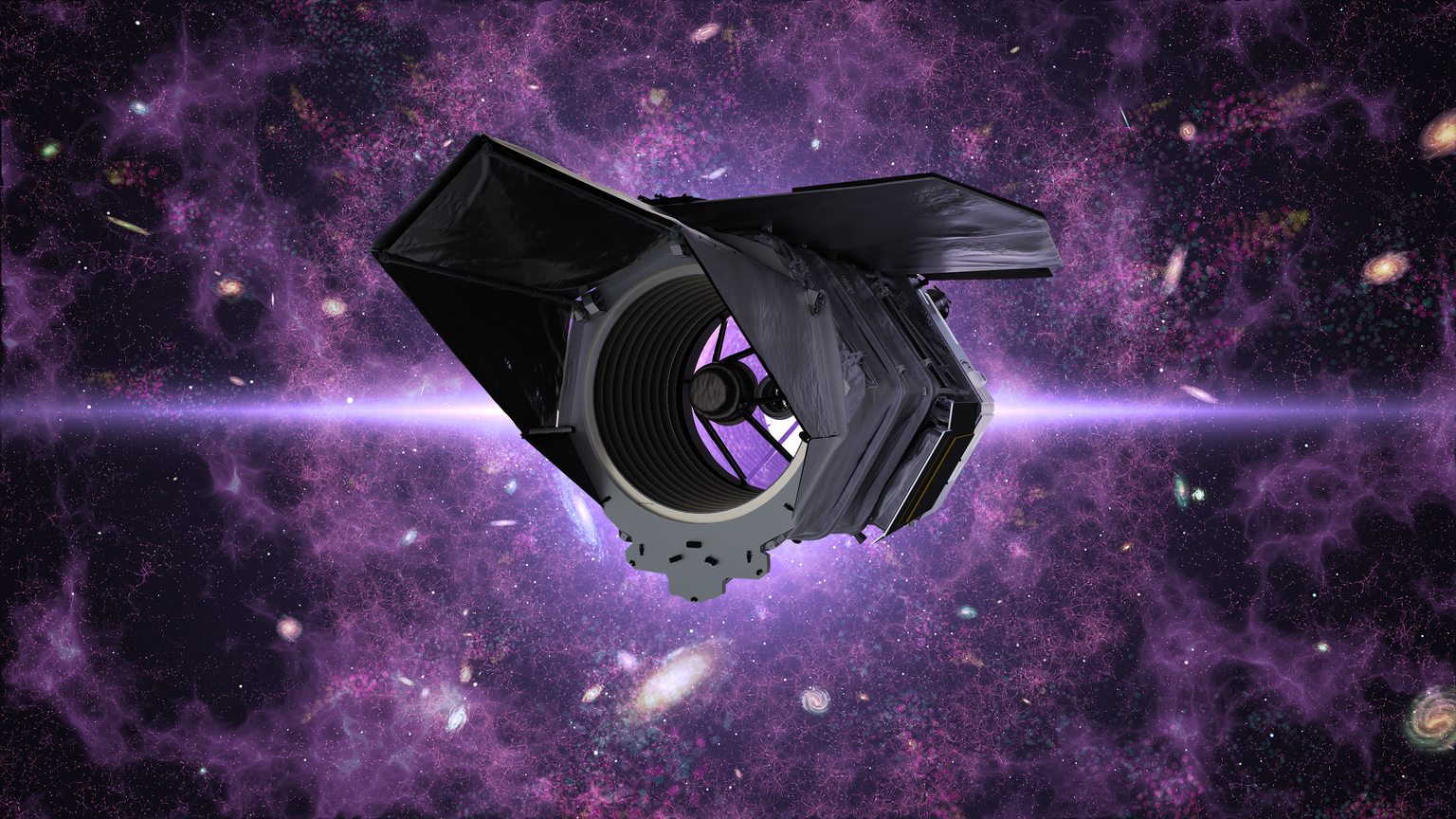
- 2 p.m.: Learn about NASA’s Roman Space Telescope
- Location: Kennedy Space Center Visitor Complex (Journey to Mars Theater)
- Participant:
- Remarks by Julie McEnery
- 5 p.m. Moon Base News Conference
- Location: Press Site Auditorium
- Participants:
- NASA Administrator Jared Isaacman
- Carlos García-Galán, director, Moon Base
- Nicky Fox, associate administrator for Science, NASA Headquarters
- Dayna Ise, director, Utility and Infrastructure, Moon Base Program
- NASA subject matter experts will be available for one-on-one interviews following this announcement.
Sunday, Nov. 8:
- 9 a.m. NASA’s X-59 media gaggle
- Location: UP.Summit Exhibit Area
- Participants:
- Laurie Grindle, director, NASA Aeronautics Division
- Peter Coen, NASA Quesst mission manager, NASA Langley
- Jim “Clue” Less, test pilot, X-59, NASA Armstrong
- 10 a.m.: Student challenge announcement
- Location: Kennedy Space Center Visitor Complex, Rocket Garden
- Participants:
- NASA Administrator Jared Isaacman
- Carlos García-Galán, director, Moon Base Program
- NASA experts may be available for interviews at this location. Media interested in attending must contact Lauren Low by 5 p.m. on Thursday, Nov. 5, at: lauren.e.low@nasa.gov.
- 11:58 a.m.: F-5 flyover in the Air Dot Show featuring Isaacman
- 12:45 p.m.: United States Space Academy
- Location: UP.Summit Main Stage
- NASA Deputy Administrator Matt Anderson
- 12:45 p.m.: Meet the Astronauts: NASA’s SpaceX Crew-12
- Location: Air Dot Show Main Stage
- Participants:
- NASA astronaut Jessica Meir
- NASA astronaut Jack Hathaway
- 1:31 p.m.: MiG-29 flyover featuring Isaacman
For more information about MAX POWER, including the latest schedule of events and how to attend, visit the agency’s website:
-end-
George Alderman / Cheryl Warner
Headquarters, Washington
202-358-1600
george.a.alderman@nasa.gov / cheryl.m.warner@nasa.gov
NASA’s James Webb Space Telescope Captures Eerie Cat’s Head
2026-10-30 15:56
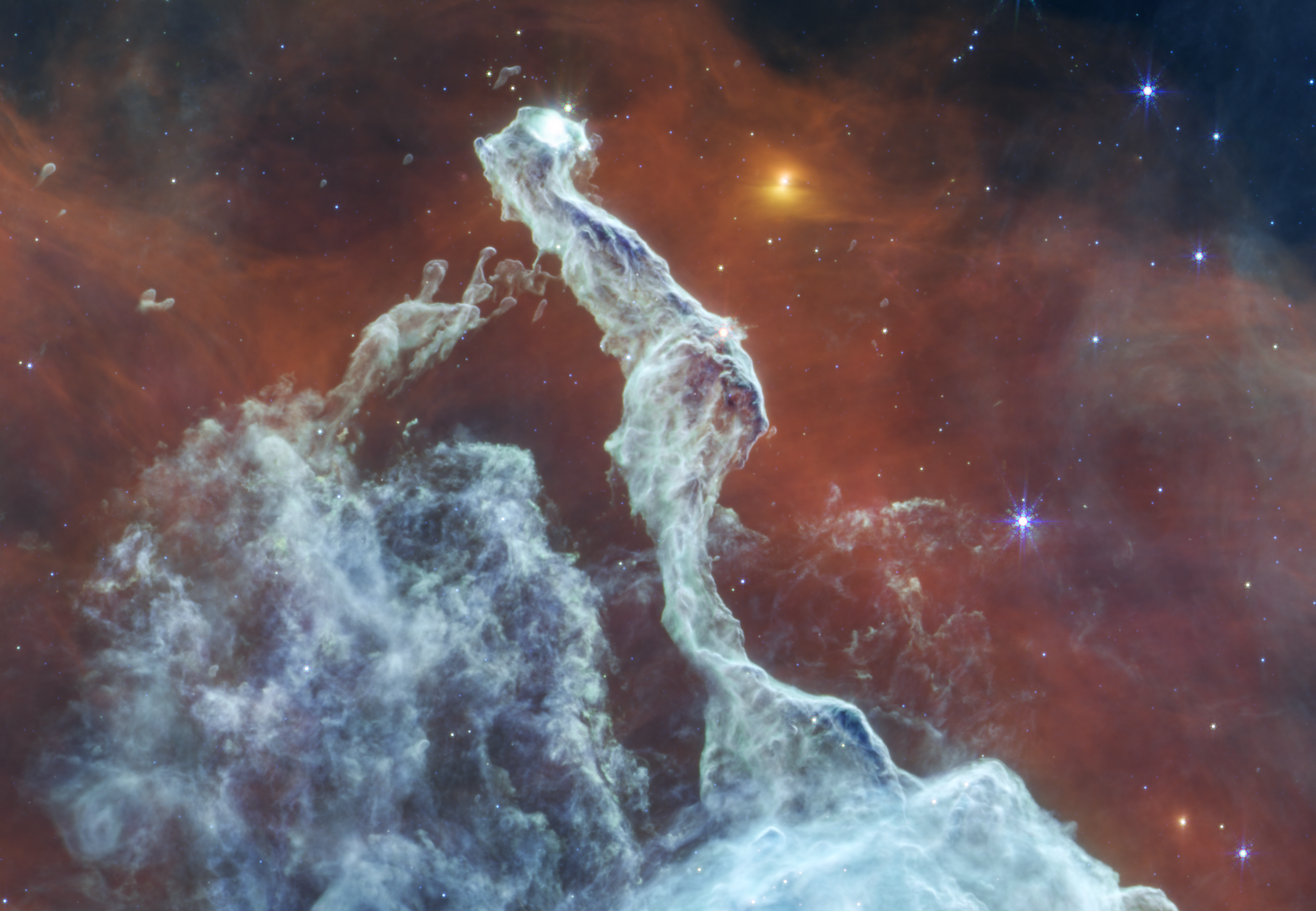
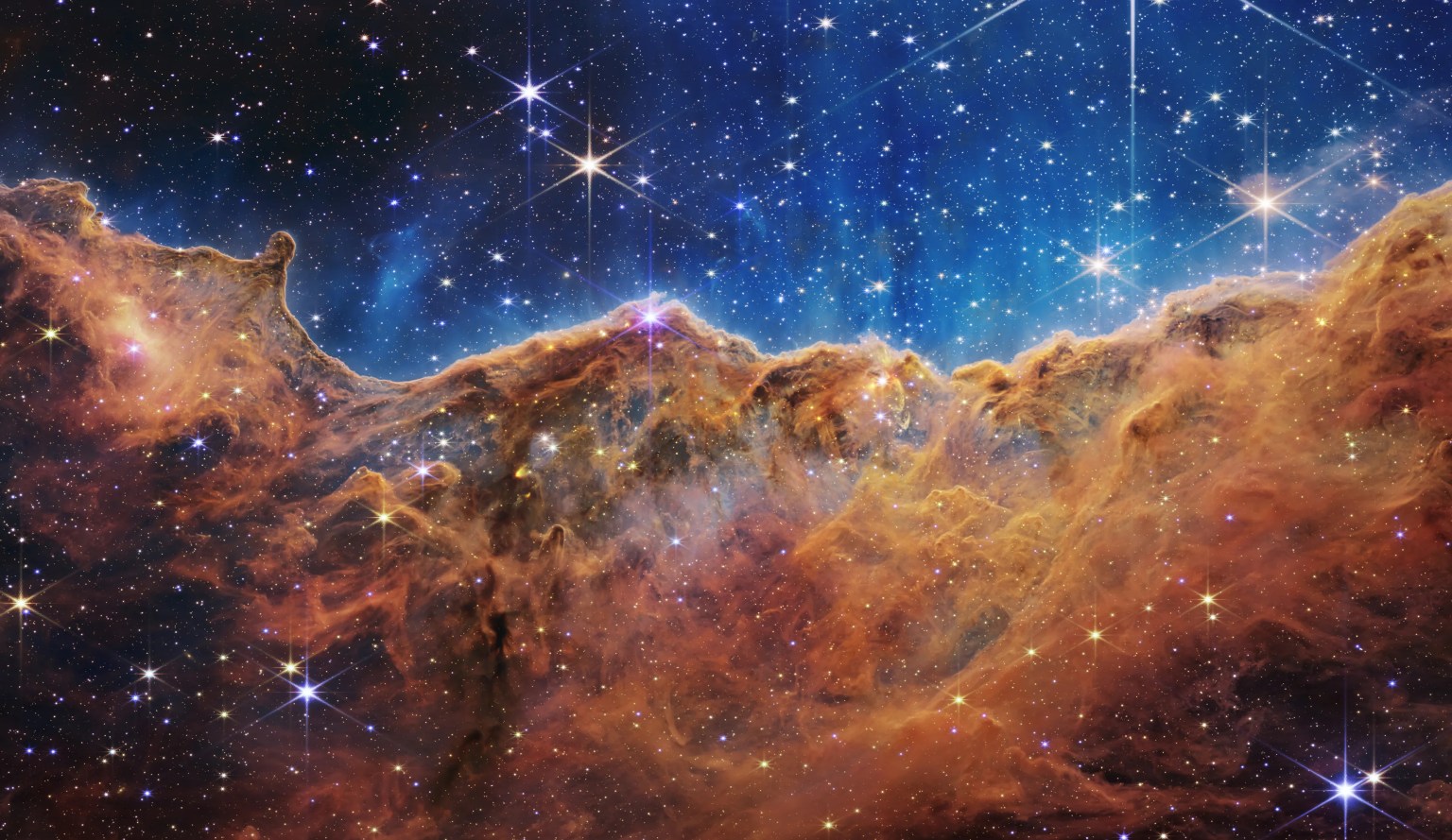
Intricate structures within the Cat’s Head Nebula are illuminated in this mid-infrared view from NASA’s James Webb Space Telescope released on Oct. 29, 2026. The distinctive “cat’s head” shape of the nebula was likely sculpted over time by the intense ultraviolet radiation and winds from massive stars in the Carina Nebula. As this stellar feedback erodes the surrounding gas and dust, denser material within the feline-shaped pillar resists erosion, at least for now.
Image credit: NASA, ESA, CSA, STScI; Image Processing: Joseph DePasquale (STScI)
NASA Explores Potential Commercial Servicing for Hubble Telescope
2026-10-30 14:51
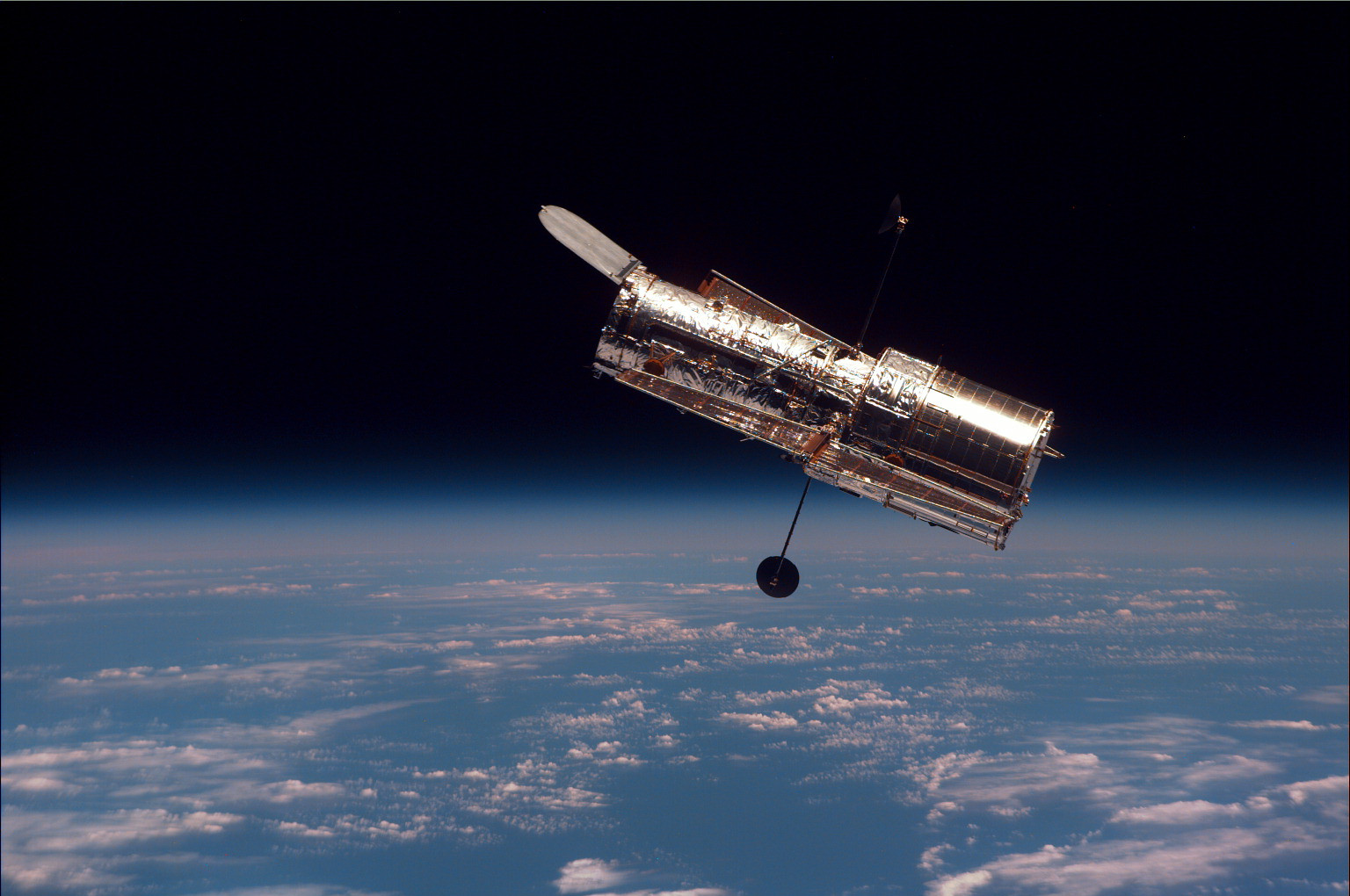
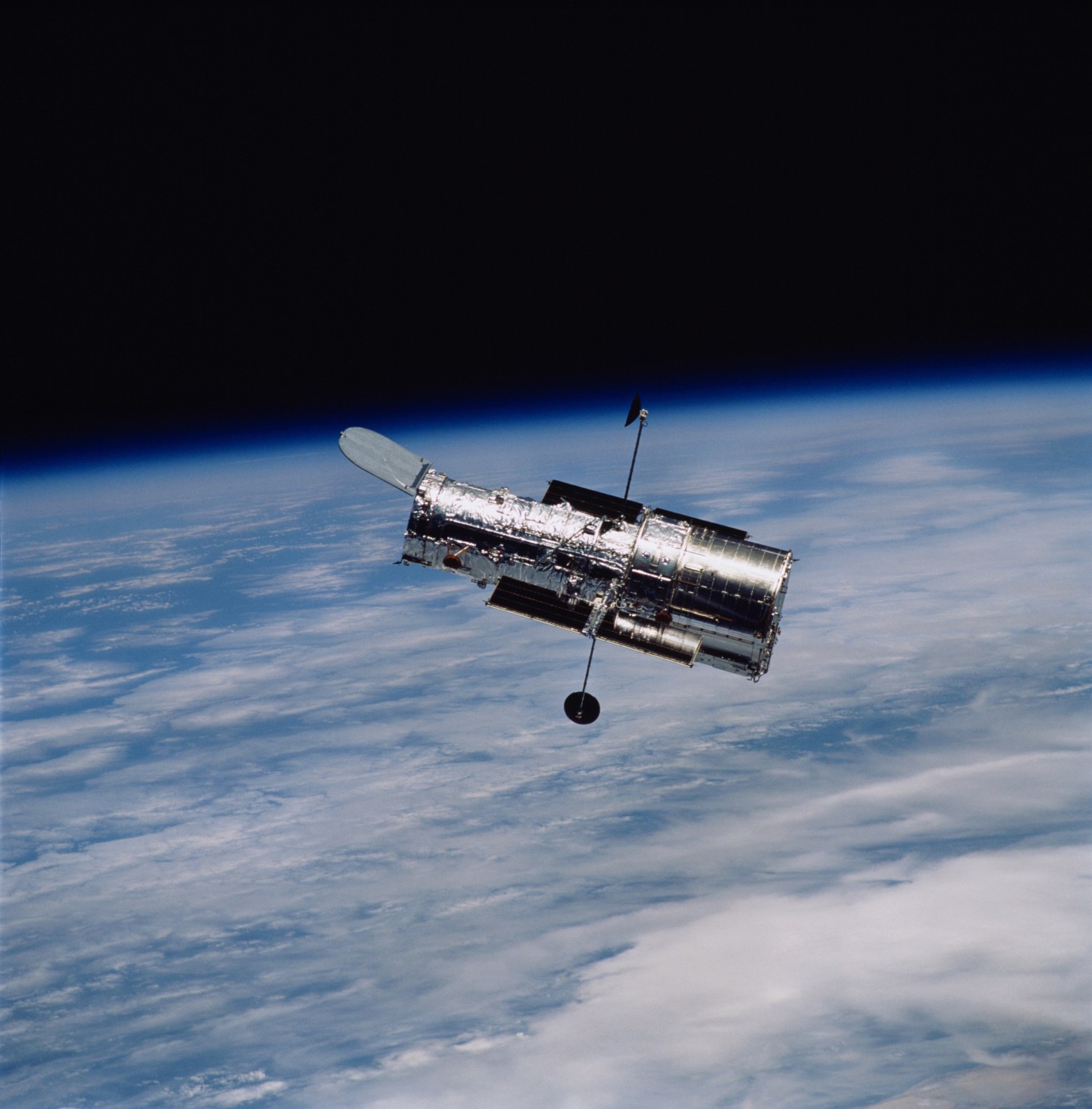
NASA issued a Request for Information Oct. 29 to learn more about industry capabilities for in-space servicing to support the agency’s Hubble Space Telescope.
“Hubble still has important science ahead of it, and we should be looking at every reasonable opportunity to keep it delivering for as long as possible,” said NASA Administrator Jared Isaacman. “If there are innovative and cost-effective ways to extend the life of an asset already on orbit, we owe it to the American taxpayer and the scientific community to explore them. Extending Hubble’s life would mean more discoveries, more science, and more opportunities to expand our understanding of the universe.”
The Request for Information seeks commercial interest in: potentially conducting a mission to boost Hubble to a higher altitude to extend its science lifetime; servicing Hubble to enhance its capabilities; or performing a safe, controlled re-entry into Earth’s atmosphere or orbital disposal at the end of Hubble’s mission.
“Hubble is a national icon that has fundamentally changed how humanity views our universe for more than 35 years,” said Nicky Fox, associate administrator, Science Mission Directorate, NASA Headquarters in Washington. “Commercial industry has rapidly evolved in recent years to offer new capabilities for in-space satellite capture and servicing. Given the time we have until Hubble’s anticipated re-entry, we are eager to explore the breadth of possibilities to boost Hubble to a higher orbit while we develop the flagship mission to follow.”
The Request for Information is available online and will remain open for responses until 3 p.m. EST, Monday, Nov. 30.
Like all spacecraft in low Earth orbit, Hubble’s altitude is slowly decreasing over time because of atmospheric drag. Hubble does not have a propulsion system to maintain its own orbit, and analysis predicts Hubble is likely to re-enter the atmosphere in the 2033 to 2034 timeframe. As such, NASA anticipates that a mission would need to take place by 2032.
The Hubble Space Telescope has been operating for more than three decades and continues to make ground-breaking discoveries that shape our fundamental understanding of the universe. Hubble is a project of international cooperation between NASA and ESA (European Space Agency). NASA’s Goddard Space Flight Center in Greenbelt, Maryland, manages the telescope and mission operations. Lockheed Martin Space, based in Denver, also supports mission operations at Goddard. The Space Telescope Science Institute in Baltimore, which is operated by the Association of Universities for Research in Astronomy, conducts Hubble science operations for NASA.
To learn more about NASA’s Hubble Space Telescope, visit:
Media Contacts:
Alise Fisher
Headquarters, Washington
202-358-2546
alise.m.fisher@nasa.gov
Claire Andreoli
Goddard Space Flight Center, Greenbelt, Md.
202-286-1940
claire.andreoli@nasa.gov
Share
Details
Related Terms
November’s Night Sky Notes: Light-Day Away
2026-10-30 10:00
2 min read
November’s Night Sky Notes: Light-Day Away

Twin Travelers
In 1977, NASA launched twin spacecraft Voyager 1 and 2, taking advantage of a once-every-175-year planetary alignment of the four largest planets in our solar system: Jupiter, Saturn, Uranus, and Neptune. Using six gravity assists between them, this Grand Tour gave us up-close views of the gas and ice giants, including several moons. By the 1980s, the two probes went their separate ways at Saturn. As Voyager 2 continued toward Uranus and Neptune, Voyager 1 grabbed one more portrait of the solar system (excluding Mercury and Mars), including a final image of the pale blue dot we call home.

Playlist
“Hello from the children of planet Earth.”
Every good road trip needs some music to match. In this case, each craft carries the Golden Record, a 12-inch phonograph record with spoken greetings in 55 languages, 27 musical tracks, 116 images, and other sounds from Earth. Each record is protected by an outer cover featuring etchings showing our Sun’s location relative to 14 pulsars, along with instructions on how to play it. The design used various metals to protect the information encoded from space radiation: the record used copper and gold plating, and the cover used aluminum. The cover was electroplated with an ultra-pure sample of the isotope uranium-238. Uranium-238 has a half-life of 4.468 billion years.
Are We There Yet?
Did you know that a light-minute is a measure of distance, not time? In August 2012 and November 2018, Voyager 1 and 2 crossed the heliopause, the boundary where the Sun’s solar wind meets the interstellar medium. Using NASA’s Deep Space Network, Earth communicates with both spacecraft and tracks each on its journey. At the time of this article, the Canberra antenna tracked Voyager 1 at 25.80 billion km, or just over 16 billion miles.
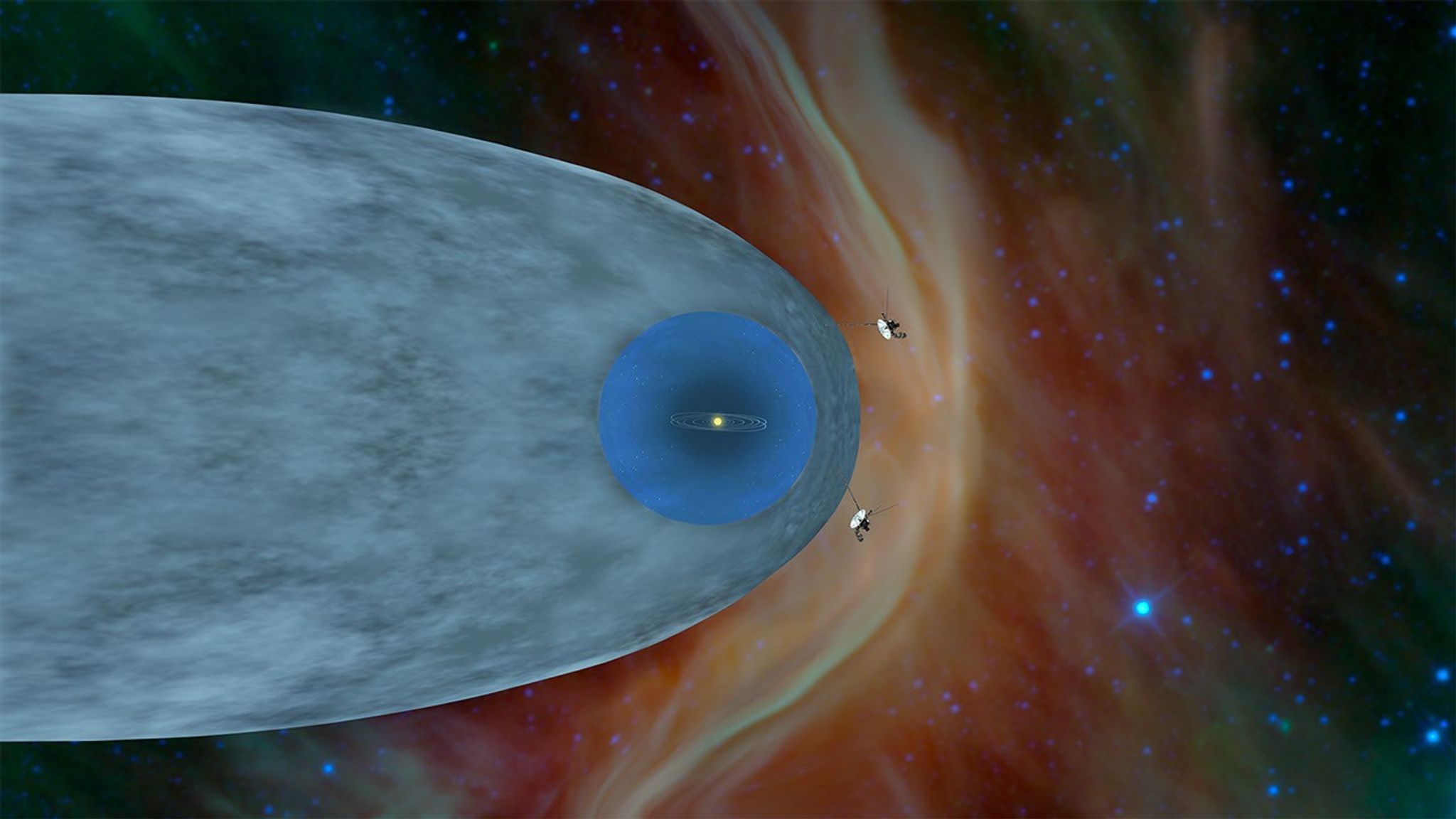
On November 18, 2026, 49 years after its launch, Voyager 1 will cross the one-light-day mark, 16.1 billion miles from the Sun. You may have heard the term light-year in your favorite sci-fi movie or show, or when stargazing and referring to an object outside of our solar system. This video best demonstrates the different distances between the inner solar system, outer solar system, and beyond, using light measurements. Additionally, track each Voyager spacecraft here.
You can get a real understanding of what a gravity assist might be like with our Gravity Assist activity and learn what it’s like to measure a “light minute” with our Measuring a Kid Minute activity guide!
APOD: 2026 October 30 – Haunting the Cepheus Flare
2026-10-30 04:05
APOD
Astronomy Picture of the Day
Discover the cosmos! Each day a different image or photograph of our fascinating universe is featured, along with a brief explanation written by a professional astronomer.

Haunting the Cepheus Flare
Explanation: Spooky shapes seem to haunt this dusty expanse, drifting through the night in the royal constellation Cepheus. Of course, the shapes are cosmic dust clouds visible in dimly reflected starlight. Far from your own neighborhood, they lurk above the plane of the Milky Way at the edge of the Cepheus Flare molecular cloud complex some 1,200 light-years away. Over 2 light-years across and brighter than most of the other ghostly apparitions, vdB 141 or Sh2-136 is also known as the Ghost Nebula. It lies at lower right in the starry field of view. Inside the Ghost Nebula are reddish telltale signs of dense cores collapsing in the early stages of star formation. With the eerie hue of interstellar dust reflecting bluish light from hot young stars of NGC 7023, the Iris Nebula stands out against the dark just left of center. In the broad telescopic frame, these fertile interstellar dust fields stretch almost six full moons across the sky.
Tomorrow’s picture: night on a spooky planet
| Date | October 30, 2026 |
|---|---|
| Credit & Copyright: | Mirko Tondinelli |
| Authors & editors: | Jerry Bonnell, Cecilia Chirenti, Robert Nemiroff, Keighley Rockcliffe |
| A service of: |
ASD at NASA / GSFC, NASA Science Activation & Michigan Tech. U. |
TechCrunch - Latest
AI law firm Crosby bids on disintegrating, famed firm Weil Gotshal
2026-10-30 19:55
Satlyt takes another step toward turning satellites into space data centers
2026-10-30 18:01
Zest’s new AI agent finds restaurants and books reservations over text
2026-10-30 17:47
Google’s first data center satellite is online and writing poetry
2026-10-30 17:00
Theranos whistleblower Tyler Shultz warns that the AI boom is ‘a great opportunity to go deceive people’
2026-10-30 16:03