📰 Trending Topics
Google News - Trending
Google News - Technology
Sunbird relaunched its iMessage app for Android users after three years away - The Verge
2026-08-05 14:13
- Sunbird relaunched its iMessage app for Android users after three years away The Verge
- Sunbird Brings iMessage to Android for Everyone, with a New Priority Inbox, Agentic AI to Follow PR Newswire
- Sunbird launches its iMessage for Android app, expecting you to trust it in the name of blue bubbles 9to5Google
- iMessage for Android is back—with the Sunbird app How-To Geek
- Unsafe iMessage for Android app Sunbird just will not die AppleInsider
Apple's ‘Private Relay’ Is Exposing Users’ Real IP Addresses - 404 Media
2026-08-05 16:20
- Apple's ‘Private Relay’ Is Exposing Users’ Real IP Addresses 404 Media
- PSA: Apple’s Private Relay can leak your real IP address TechCrunch
- Apple's iCloud Private Relay is Leaking Users' Real IP Addresses MacRumors
- WebKit leaks in iOS & macOS expose user data in spite of proxy use AppleInsider
- iCloud Private Relay might be leaking your real IP address, researchers say 9to5Mac
Reddit signals ominous upcoming "changes” for old.reddit.com - Ars Technica
2026-08-05 20:01
- Reddit signals ominous upcoming "changes” for old.reddit.com Ars Technica
- Old Reddit Could Be The Next Casualty Of Reddit's War On AI Scraping Engadget
- Reddit aims to make 'karma' less important for first-time posters with shift to AI moderation tools TechCrunch
- Reddit is introducing a new moderator: AI The Verge
- Reddit is replacing Automod with AI that reads intent, not keywords. Old Reddit's days are numbered. The Next Web
Google is killing one of Gmail's most useful power-user features - Android Authority
2026-08-05 08:14
- Google is killing one of Gmail's most useful power-user features Android Authority
- Gmail is getting rid of one of its most useful features Android Police
- Gmail will end external-address sending in 2027: Yahoo, Outlook, and more en.softonic.com
- Google is killing one of my favorite Gmail power-user features PhoneArena
- Google is Making a Major Change to Gmail's 'Send As' Feature Android Headlines
Google Assistant Will Vanish From Android Phones And Connected Devices In September - Engadget
2026-08-05 14:48
- Google Assistant Will Vanish From Android Phones And Connected Devices In September Engadget
- Google Assistant shutting down on Android and Wear OS in September 9to5Google
- Google plans to kill Assistant on your phone on September 4 Ars Technica
- Google Retires Assistant On Android As Gemini Shifts Ad Landscape Yahoo Finance
- Google Is Finally Shutting Down the Google Assistant. Here's What Android Users Need to Know inc.com
NASA - Breaking News
Artemis III Orion Crew and Service Models Joined
2026-08-05 17:27
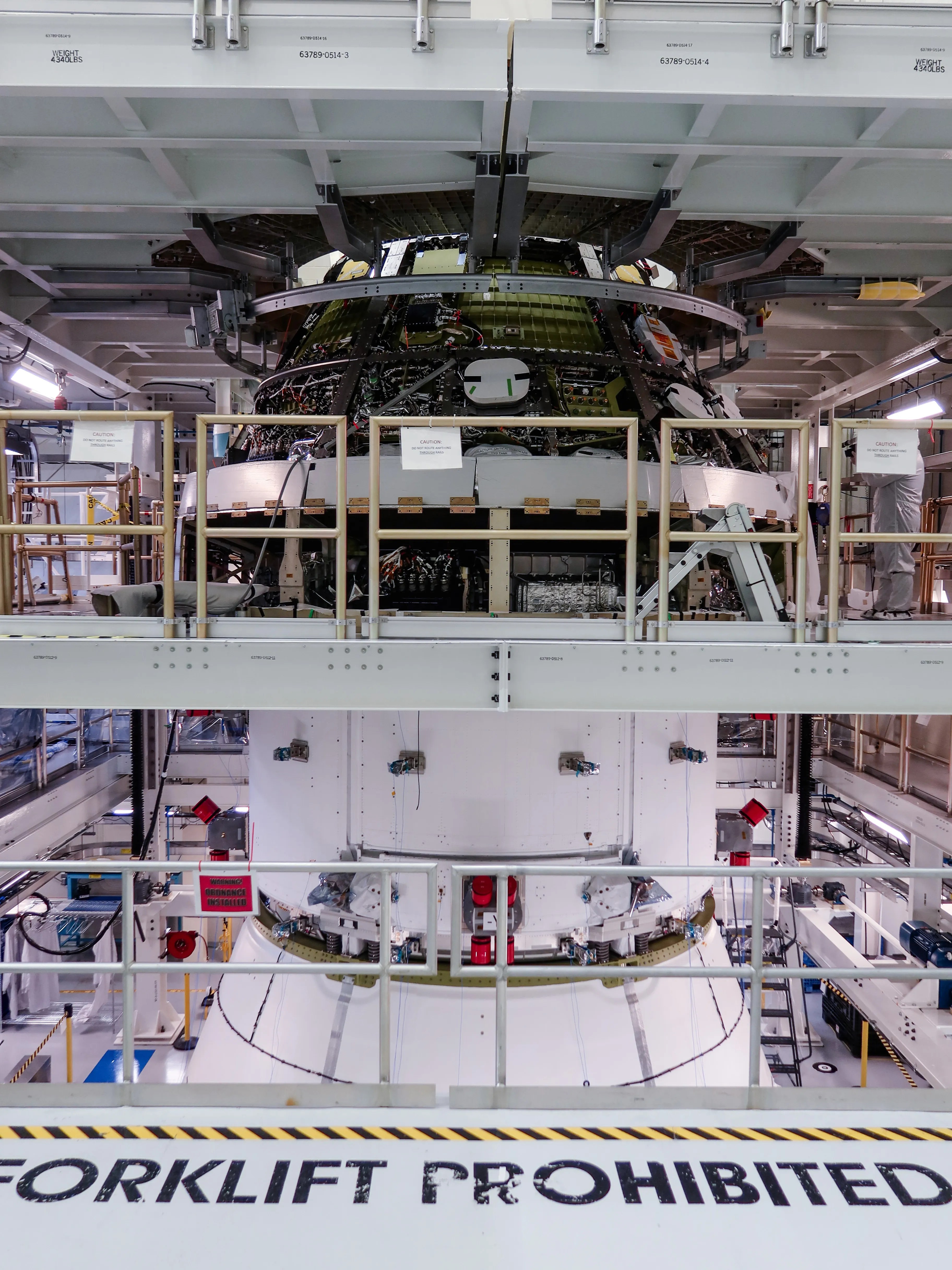
Technicians joined the Orion crew and service modules together on July 30, 2026, inside the Neil Armstrong Operations and Checkout Building at NASA’s Kennedy Space Center in Florida.
The crew module will carry and sustain NASA astronauts Randy Bresnik, Andre Douglas, and Frank Rubio, and ESA (European Space Agency) astronaut Luca Parmitano, while the service module will power and propel Orion during the mission to test rendezvous and docking capabilities with test versions, or test articles, of commercial human landing systems from Blue Origin and SpaceX.
Read more about this milestone.
Image credit: NASA
NASA’s Perseverance Captures Phobos and Earth
2026-08-05 15:28
NASA’s Perseverance Captures Phobos and Earth
NASA/JPL-Caltech/ASU/MSSS/SSI
Description
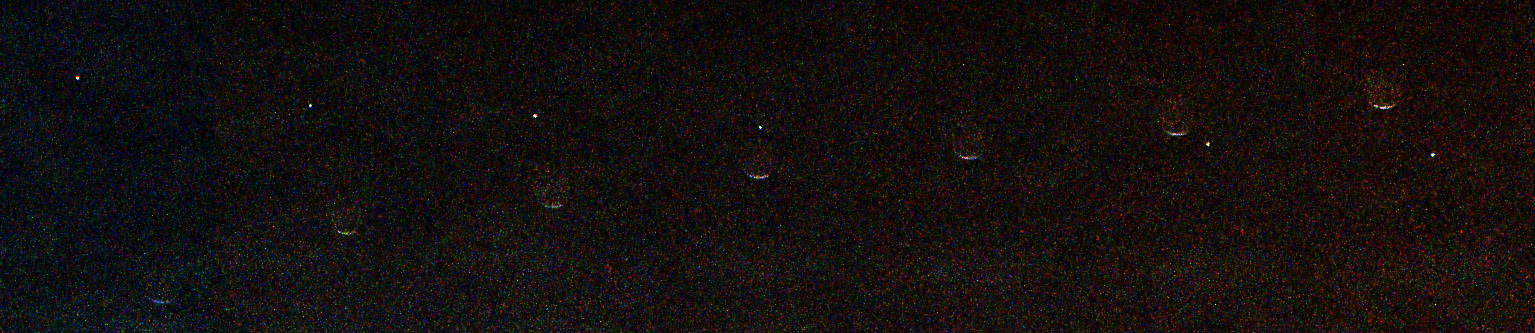
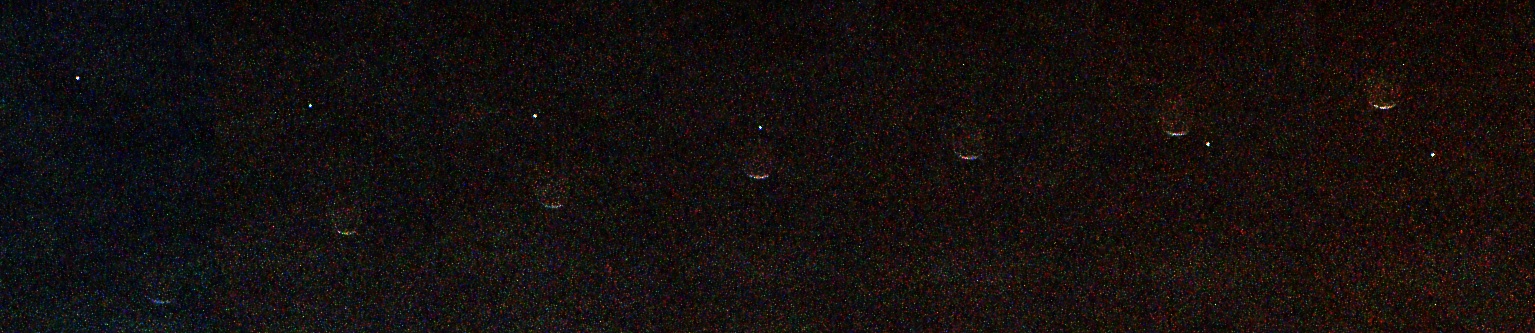
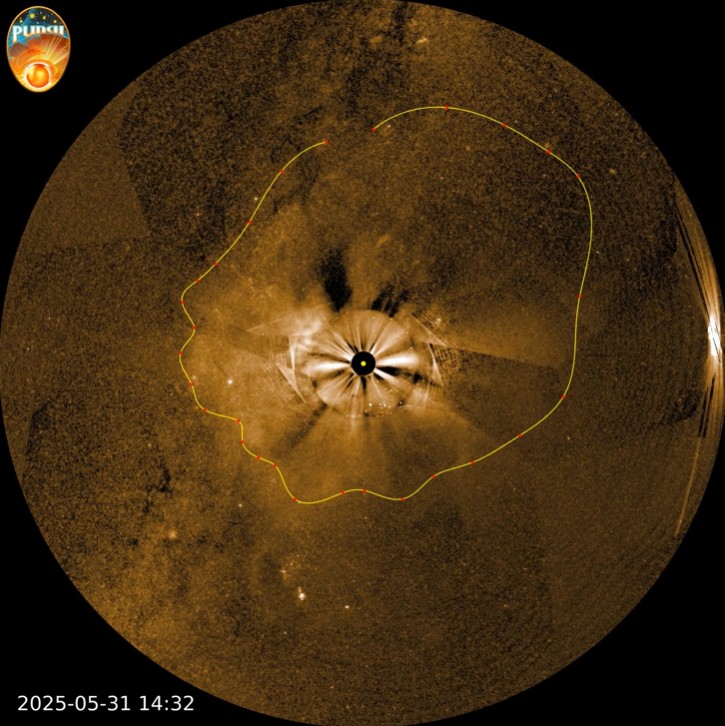
This composite of seven images from the Mastcam-Z instrument aboard NASA’s Perseverance Mars rover shows Earth, visible as a small bright dot moving from upper left to lower right, passing behind the Martian moon Phobos on July 2, 2026, 1,907th Martian day, or sol, of the mission.
The black background is the result of image processing that removed extraneous light in the background to enhance detail.
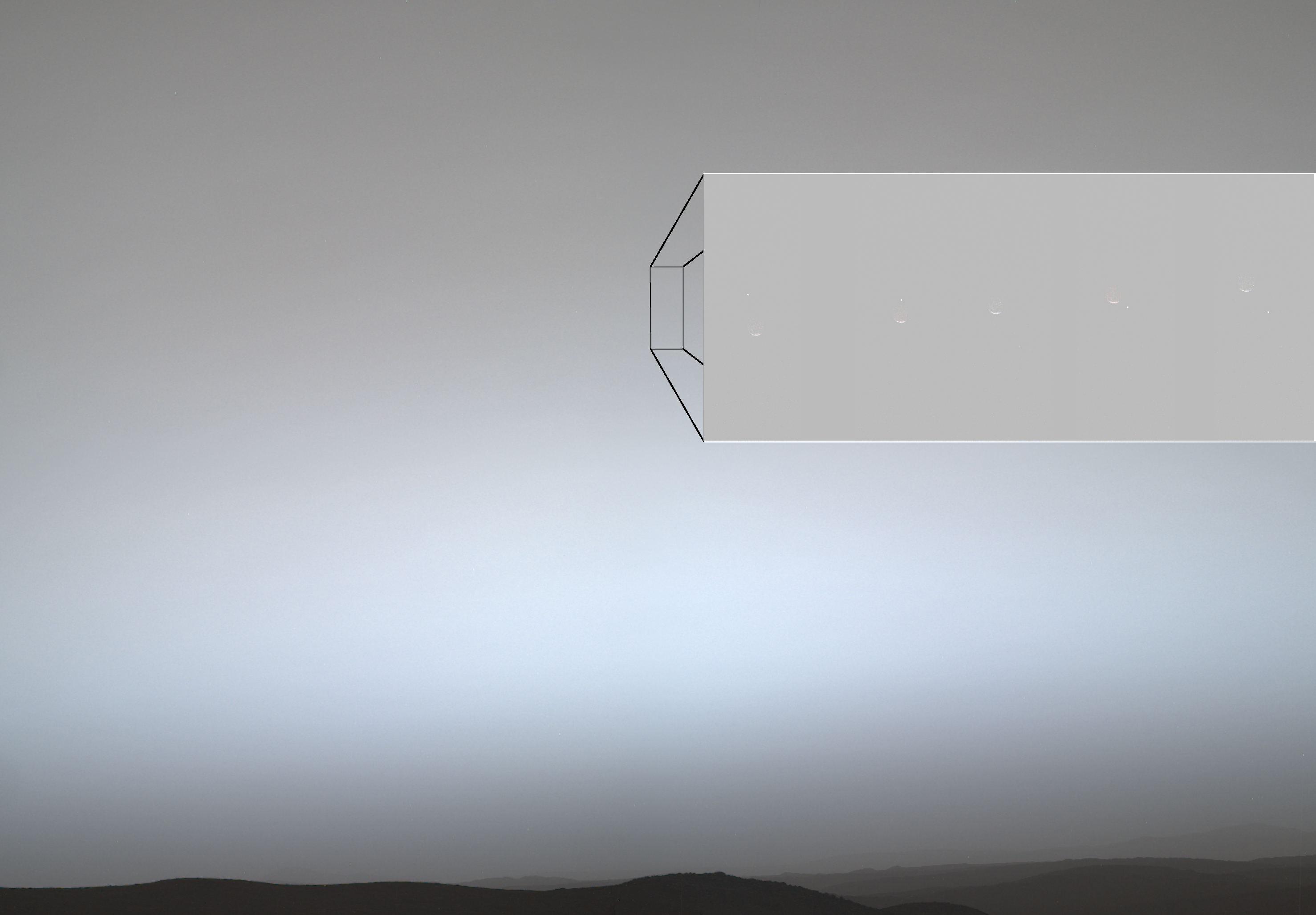
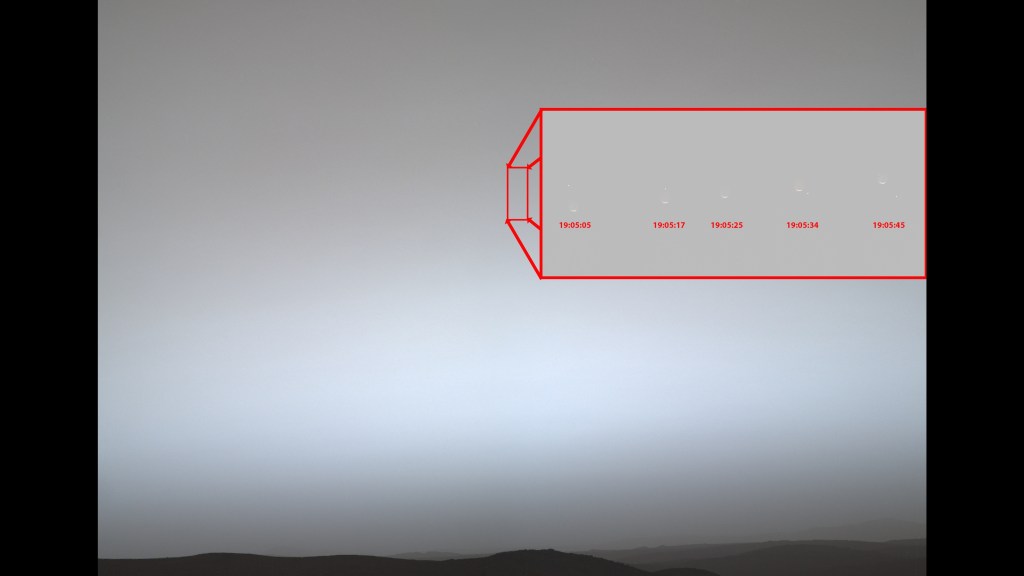
Figure A is an annotated composite of nine images taken by the Mastcam-Z instrument aboard Perseverance on July 2, 2026. The inset on the upper right, comprised of five images, shows Earth — the small bright dot moving from upper left to lower right — passing behind the Martian moon Phobos.
The rectangle outlined at the left in the annotation indicates the patch of sky that was imaged several times to capture Earth passing behind Phobos. In the larger rectangular inset, the images captured from that patch of sky are displayed in time order from left to right, with Phobos moving up and Earth moving down.
The gray of the Martian sky is the approximate true color of the twilight (about 40 minutes after sunset) on that sol. It is blue-gray lower, where it is brighter, and reddish gray above.
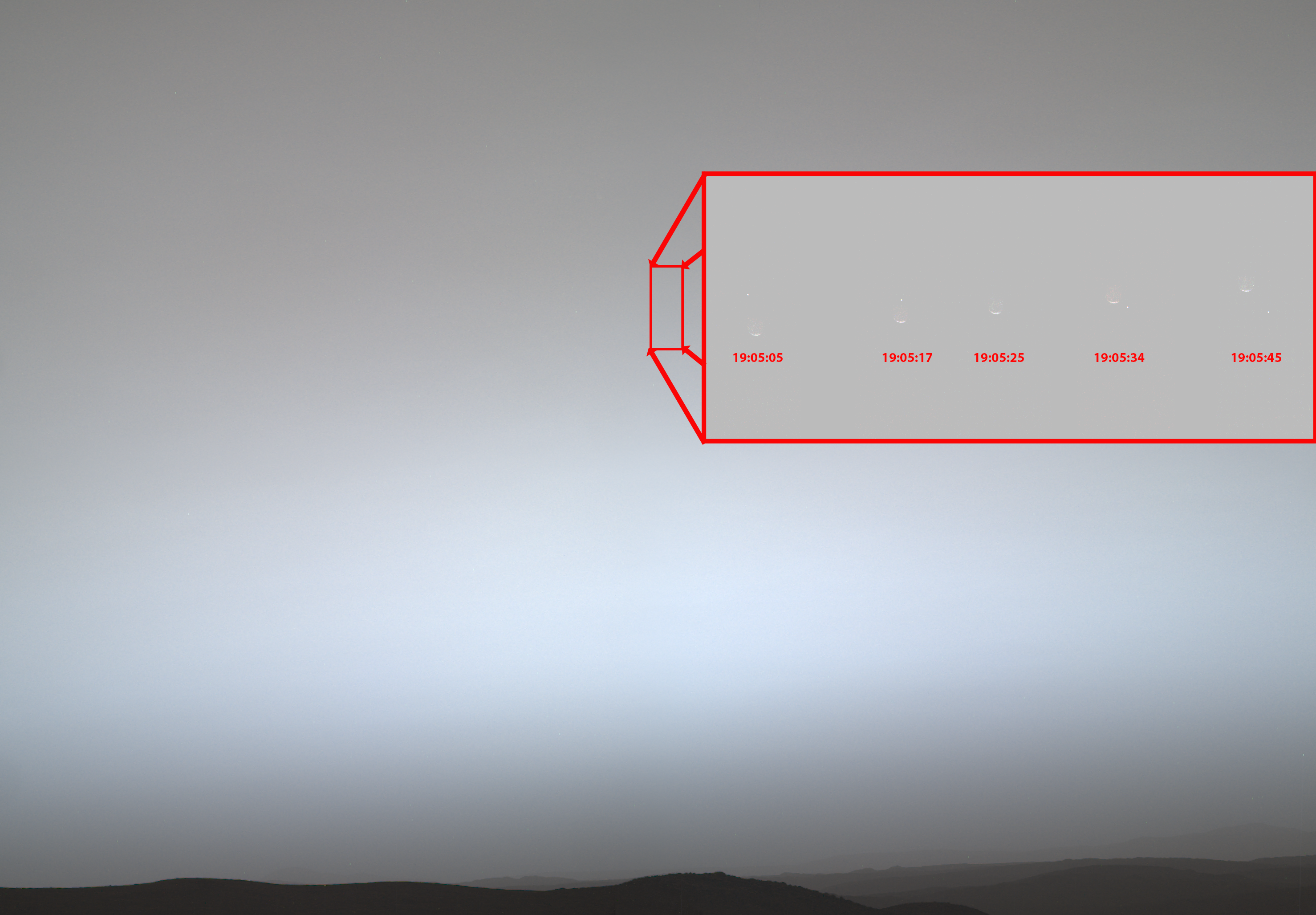
Figure B includes annotations showing the local solar time on Mars during which the five individual images that captured the occultation were taken.
NASA’s Jet Propulsion Laboratory in Southern California, which is managed by Caltech, built and manages operations of the Perseverance rover on behalf of the agency’s Science Mission Directorate in Washington, as part of NASA’s Mars Exploration Program portfolio. Arizona State University leads the operations of the rover’s Mastcam-Z instrument, working in collaboration with Malin Space Science Systems in San Diego, on the design, fabrication, testing, and operation of the cameras.
For more about Perseverance:
NASA’s Perseverance Rover Watches Earth Vanish Behind Martian Moon
2026-08-05 15:25
3 min read
Preparations for Next Moonwalk Simulations Underway (and Underwater)
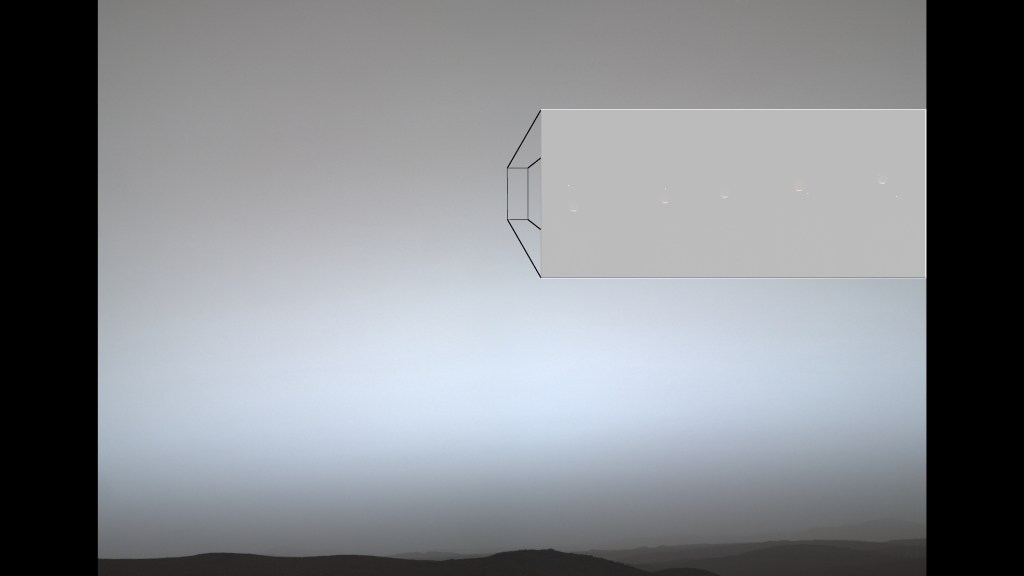
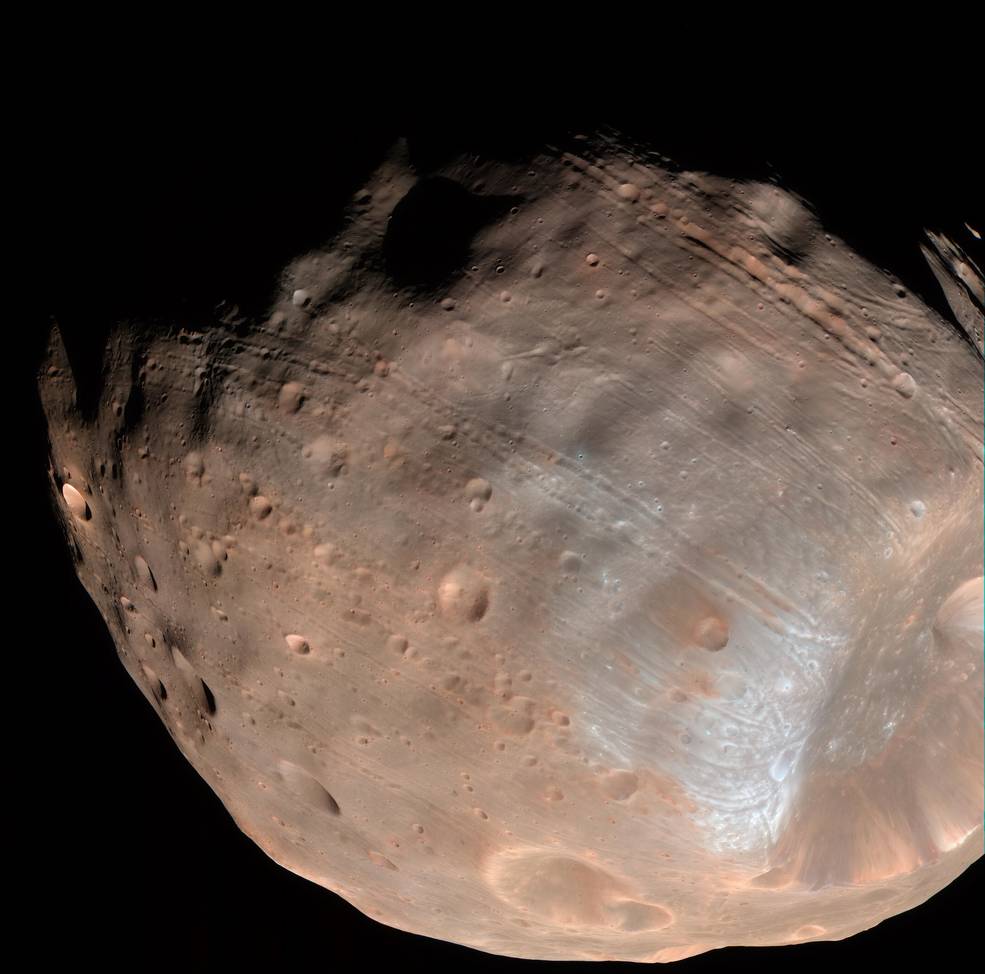
Earth and the Martian moon Phobos dance together in a series of images recently acquired by NASA’s Perseverance Mars rover. Earth appears as a point of light in the Martian sky, disappearing behind the crescent of Phobos, the larger of Mars’ two moons.
This is the first time humanity has captured from the surface of another planet an observation of Earth disappearing behind an object.
The image sequence was taken by the rover’s Mastcam-Z instrument at about 7 p.m. local solar time (the Martian evening time where the rover is located) on July 2, the 1,907th Martian day, or sol, of the mission. In the composite image, Earth travels from the upper left of the frame toward the lower right while Phobos, moving from lower left to upper right, sweeps across its path. In the third frame of the sequence, the two meet, and our planet winks out behind the little moon’s shadowed edge.
“The composite image makes for a unique Earth self-portrait, taken from the surface of another planet, with a Phobos photobomb,” said Justin Maki, the Mastcam-Z deputy principal investigator and imaging scientist for Perseverance at NASA’s Jet Propulsion Laboratory in Southern California.
From where Perseverance sits on the rim of Mars’ Jezero Crater, the two objects could hardly look more different. Phobos, a lumpy, potato-shaped moon about 17 miles (27 kilometers) across at its widest, orbits so close to Mars (4,850 miles, or 7,800 kilometers, away) that when the images were taken, Phobos appears roughly one-third the width of Earth’s Moon as seen from our planet. Some 195 million miles (314 million kilometers) away at the time, Earth is reduced to a single, pixel-size dot.
“Phobos crosses the Martian sky three times a day, and Earth is visible for months at a stretch, but catching one directly behind the other takes planning and a little luck,” said Mark Lemmon, a Mastcam-Z co-investigator at the Space Science Institute in Boulder, Colorado, who planned the observation and assembled the composite.
Transits, occultations, eclipses
Astronomers call the event captured in this observation an occultation: when a larger-appearing body completely blocks the one behind it from the viewer’s standpoint. By contrast, an eclipse occurs when one object moves into the shadow of another. When the Moon passes through Earth’s shadow, it’s called a lunar eclipse; when one object that appears to be the same size as another blocks it, like when the Moon passes before the Sun, it’s known as a solar eclipse.
When the roles are reversed, with a smaller-looking object crossing the face of a larger-looking one, astronomers call that a transit. Perseverance has observed those, too: when Phobos or Deimos crosses the disk of the Sun as seen from Mars. These are sometimes described informally as “Martian solar eclipses.”
More about Perseverance
NASA’s Jet Propulsion Laboratory in Southern California, which is managed by Caltech, built and manages operations of the Perseverance rover on behalf of the agency’s Science Mission Directorate in Washington, as part of NASA’s Mars Exploration Program portfolio. Arizona State University leads the operations of the rover’s Mastcam-Z instrument, working in collaboration with Malin Space Science Systems in San Diego, on the design, fabrication, testing, and operation of the cameras.
For more about Perseverance:
https://science.nasa.gov/mission/mars-2020-perseverance
News Media Contacts
DC Agle
Jet Propulsion Laboratory, Pasadena, Calif.
818-393-9011
agle@jpl.nasa.gov
Karen Fox / Alana Johnson
NASA Headquarters, Washington
240-285-5155 / 202-672-4780
karen.c.fox@nasa.gov / alana.r.johnson@nasa.gov
2026-054
Share
Details
Related Terms
Explore More


Advanced Mini-laboratories Automate Space Station Research
2026-08-05 14:00
Advanced Mini-laboratories Automate Space Station Research
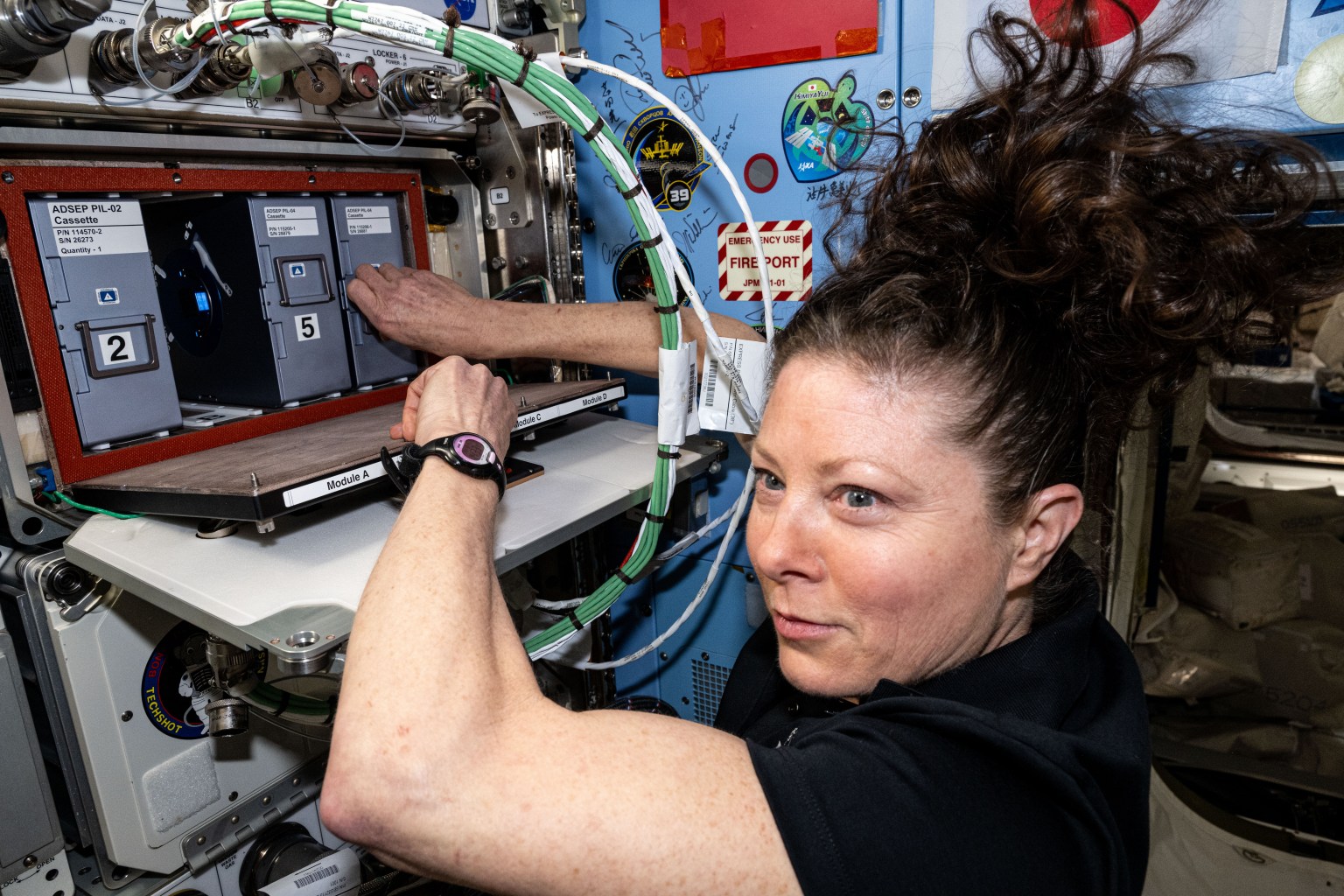
The International Space Station hosts hundreds of science experiments at a time. Some experiments can take hours to perform, and researchers need to account for astronauts’ limited time. Fully automated devices, like Redwire’s ADvanced Space Experiment Processors (ADSEPs), have been designed to conduct more space science with less crew time.
Within each ADSEP facility there are three to four “mini-laboratories”, called cassettes, that allow multiple studies with different needs to be performed at the same time. The latest model, ADSEP-4 can accommodate four cassettes and features imagery capabilities. Since 2017, ADSEPs have conducted and supported two dozen investigations aboard space station with new ones on the horizon.

The latest ADSEP investigations are related to growing seed crystals in space, which can be used to reformulate existing drugs or develop entirely new therapeutics. Previous experiments have shown that the unique microgravity environment allows the growth of larger and higher quality crystals. With Redwire’s Pharmaceutical In-Space Laboratory (PIL-BOX), a cassette-based system that uses the ADSEP facility, researchers can grow improved, space-grown seed crystals.
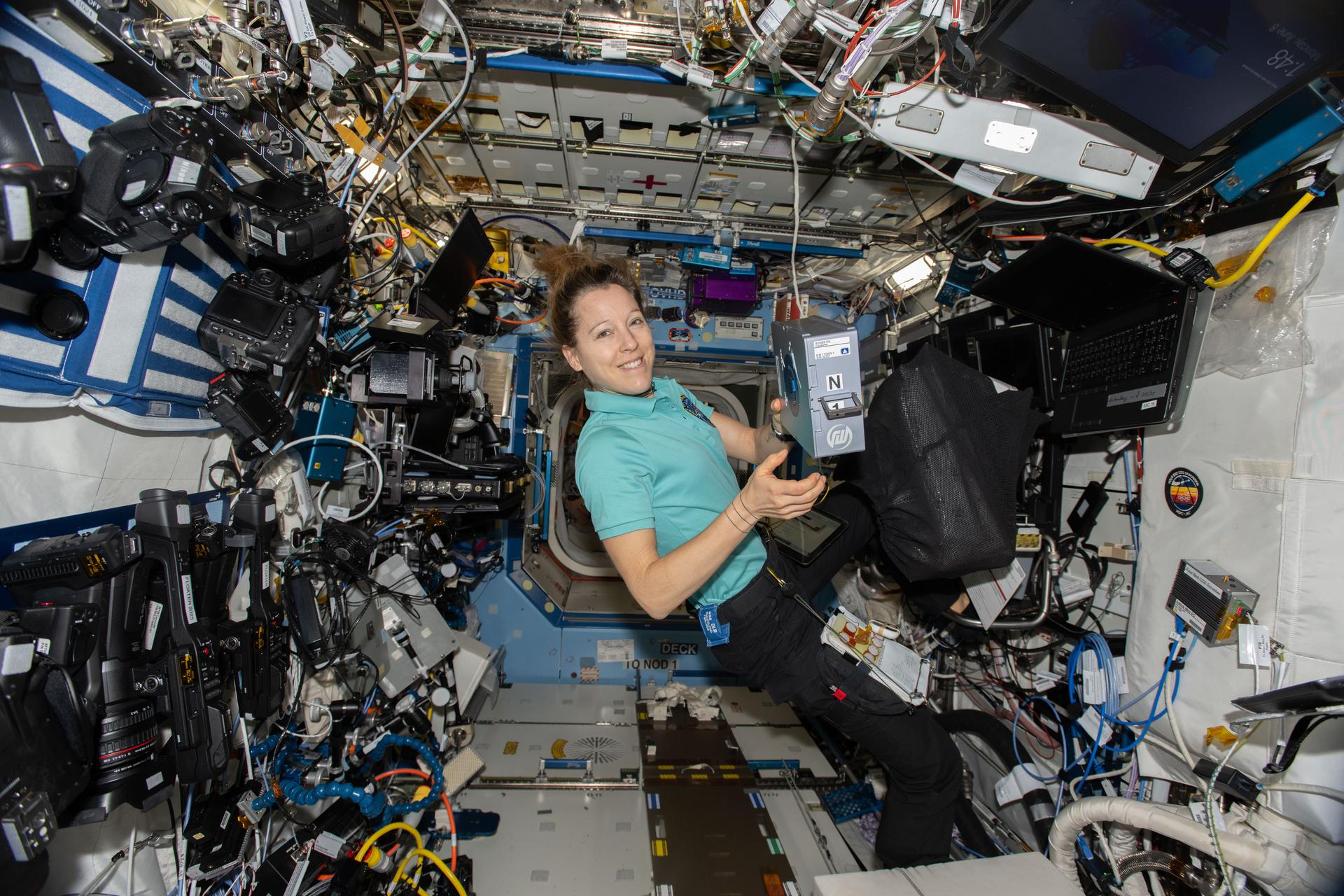
Notable PIL-BOX experiments sponsored by the ISS National Laboratory have focused on cancer research. The ADSEP-PIL-10 investigation, currently being conducted in orbit in collaboration with the Aspera Biomedicines, works to crystallize cancer-blocking and cancer-promoting molecules with the goal of creating an oral cancer medication. ADSEP-PIL-15 crystalized cancer-treating medicines to help refine production, quality, and stability of these cancer drugs. A recent technology demonstration, ADSEP- ICC (Industrial Crystallization Cassette), tested a larger cassette to expand ADSEP function and scale crystallization production for commercial use.
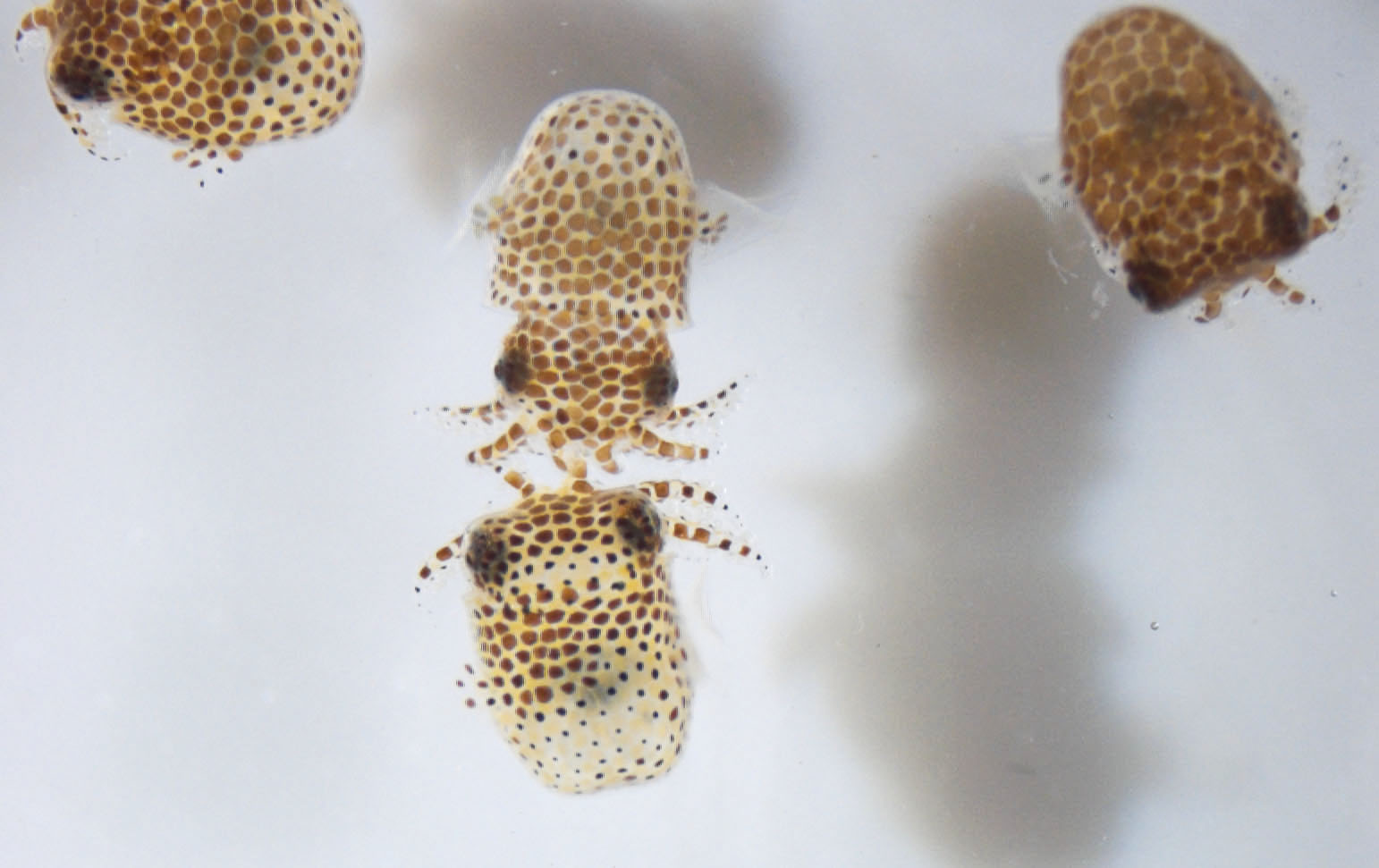
ADSEPs are not limited to crystal growth and can also be used for culturing cells and tissues, studying organisms, and researching materials-sciences. In 2021, ADSEP-UMAMI studied how bobtail squid interacted with beneficial microbes in the space environment. This research found that symbiotic interactions with microbes can lessen a host animal’s stress responses caused by spaceflight and accelerate developmental pathways such as growing neurons and tissues. These findings give insight into the importance of symbiotic relationships in closed ecosystems like spacecraft and have implications for astronauts and their own beneficial bacteria during space missions.
The automation and versatility of ADSEPs permit a wide array of science experiments to be conducted aboard the orbiting laboratory, leading to findings that inform future space missions and are beneficial to people on Earth.
APOD: 2026 August 5 – Spokes on Saturn’s B Ring
2026-08-05 04:05
APOD
Astronomy Picture of the Day
Discover the cosmos! Each day a different image or photograph of our fascinating universe is featured, along with a brief explanation written by a professional astronomer.
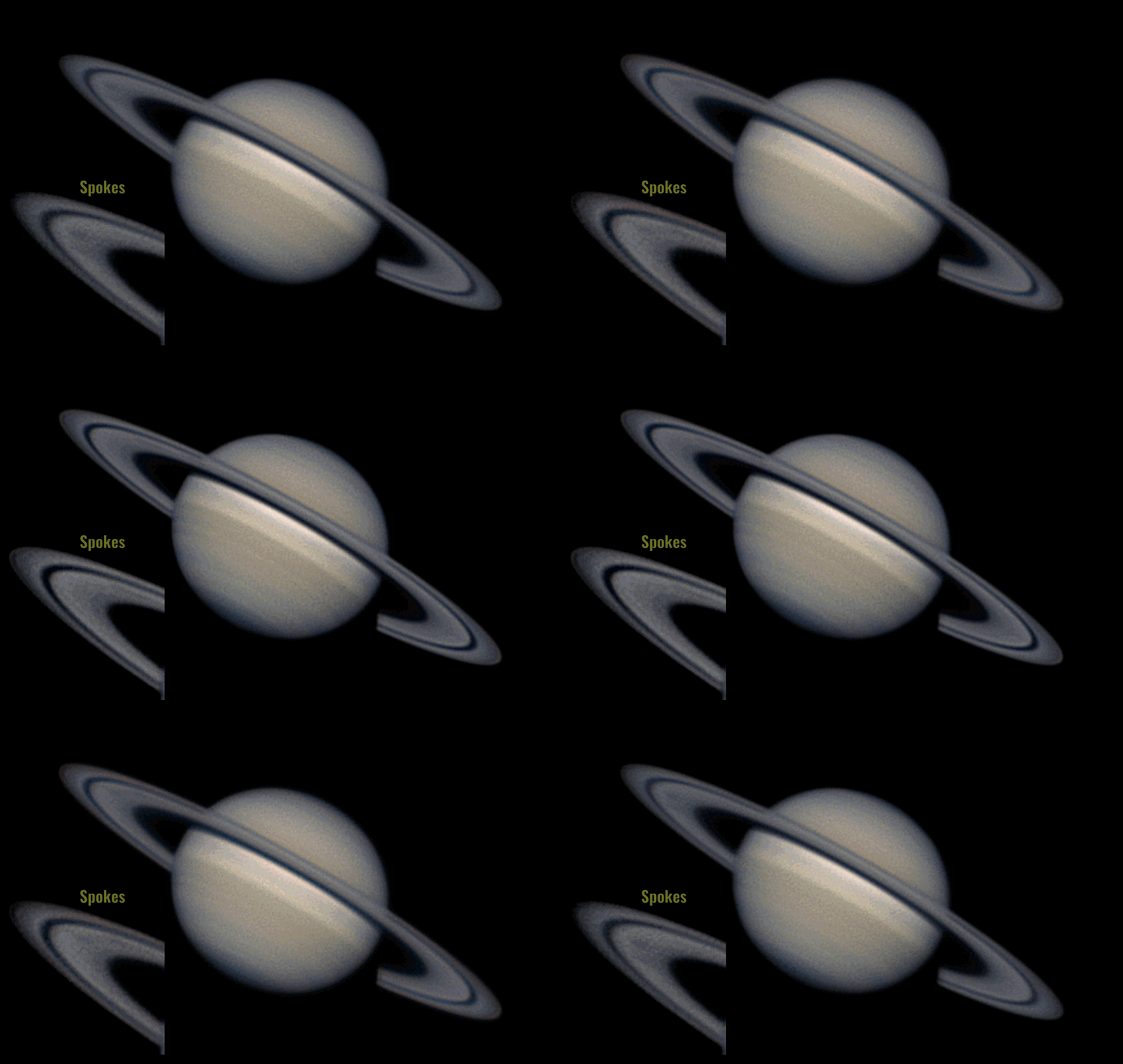
Spokes on Saturn’s B Ring
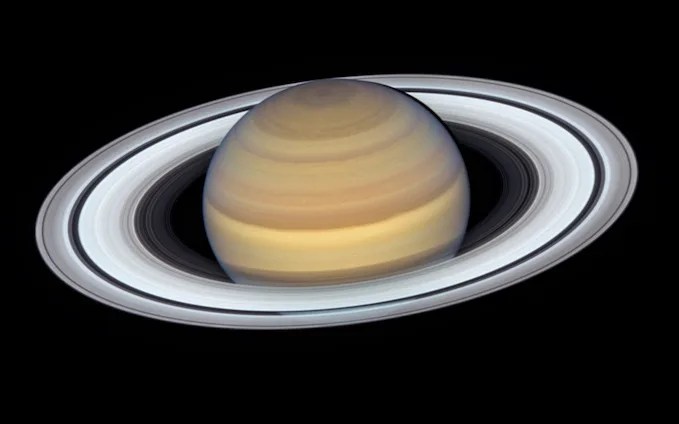
Explanation: Don’t get spooked by Saturn’s ghostly spokes! Today we feature a nearly two-hour timelapse of Saturn and its rings looping forwards and backwards. A day on Saturn is only 10 hours long, so two hours of observation covers quite a bit of its rotation. If you look closely, a ghoulish shadow appears and disappears as Saturn’s B ring rotates. Decades of observation with Voyager 2, Cassini, and Hubble show the appearance of Saturn’s spokes varies with the planet’s seasons. Like Earth, Saturn’s spin axis is tilted compared to the plane of its orbit around the Sun. During Saturn’s equinox, the rings are less tilted away from the Sun and the planet receives more evenly distributed sunlight and solar wind. Although their origin is still uncertain, Saturn’s spokes may be shadows of and reflections off of dust and ice levitating above the rings caused by electromagnetic interactions between the solar wind and the planet’s magnetic field.
Find dark skies and look up this August to witness the Perseid meteor shower uninhibited by the Moon!
Tomorrow’s picture: the COSMOS
| Date: | August 5, 2026 |
|---|---|
| Credit & Copyright: | Brad Croslin |
| Authors & editors: | Robert Nemiroff, Jerry Bonnell, Cecilia Chirenti, Keighley Rockcliffe |
| A service of: |
ASD at NASA / GSFC, NASA Science Activation & Michigan Tech. U. |
TechCrunch - Latest
Nikita Bier steps down as X’s head of product
2026-08-05 21:30
Travis Kalanick’s robotics startup Atoms taps former Uber finance chief as CFO
2026-08-05 21:26
Meta launches Muse Code, an AI agent for large code bases
2026-08-05 21:21
Trump’s DOJ gains oversight of OpenAI’s green-card employee sponsorships
2026-08-05 21:05
Moove raises $250M to become the backbone of the robotaxi industry
2026-08-05 20:50