📰 Trending Topics
Google News - Trending
Jerry Jones on Cowboys' defense: 'I like the way we're trending' - Dallas Cowboys | Official Site of the Dallas Cowboys
2026-11-03 16:15
These purple WA districts are trending blue. What changed? - Washington State Standard
2026-11-02 12:06
Revolut Cuts A.I. Coding Costs 90% With a Chinese Open-Weight Model - www.trendingtopics.eu
2026-11-03 08:22
Google News - Technology
One of Nintendo's Switch and Switch 2 cartridge manufacturers is exiting the business, which could make physical games more expensive and result in even more controversial Game-Key Cards - Eurogamer.net
2026-11-04 13:34
- One of Nintendo's Switch and Switch 2 cartridge manufacturers is exiting the business, which could make physical games more expensive and result in even more controversial Game-Key Cards Eurogamer.net
- Nintendo is losing a Switch cartridge supplier The Verge
- Nintendo’s Switch 2 Game Card Situation Just Became Dire Gizmodo
- Physical Games Media Gets More Bad News as Nintendo Chip Maker Exits Business Polygon.com
- Nintendo Could Have A New Cartridge Problem On Its Hands GameSpot
Xbox Debuts the Series X-BITE: A Working Console Swallowed by an Alligator - Hypebeast
2026-11-04 03:50
- Xbox Debuts the Series X-BITE: A Working Console Swallowed by an Alligator Hypebeast
- An Alligator Swallowed an XBOX Series X – You Can Win It XBOX Wire
- Microsoft Is Giving Away The Most Insane Xbox Series X Ever Created Pure Xbox
- This Custom Xbox-Inside-An-Alligator Console Is Actually One Big Ad For GTA 6 GameSpot
- Xbox Made an Alligator-Shaped Series X, and You Can Win It Before GTA 6 Launches IGN
‘The Legend Of Zelda: Ocarina Of Time’ Remake Metacritic Review Score Is Historic - Forbes
2026-11-04 14:28
- ‘The Legend Of Zelda: Ocarina Of Time’ Remake Metacritic Review Score Is Historic Forbes
- The Legend of Zelda: Ocarina of Time review – a dream come true The Guardian
- Review: The Legend of Zelda: Ocarina of Time remake is superb, streamlined and safe NPR
- Review | A worthy Zelda remake proves ‘Ocarina of Time’ is still a masterpiece The Washington Post
- Ask the Developer Vol. 24: The Legend of Zelda: Ocarina of Time — Part 1 Nintendo
Safari update brings vertical tabs, adaptive dark mode, AI integration - Six Colors
2026-11-03 18:52
- Safari update brings vertical tabs, adaptive dark mode, AI integration Six Colors
- Apple Launches Beta Versions of Watch AI Listening Tools, New Health App Bloomberg.com
- Siri AI’s Evolution Is Both Surprising and Obvious MacStories
- 5 iPhone Features You Should Be Using After Updating To iOS 27 Engadget
- Apple starts giving Siri AI access to third-party apps The Verge
Anker’s new window-mounted camera monitors the outside of your home from within it - The Verge
2026-11-04 16:36
- Anker’s new window-mounted camera monitors the outside of your home from within it The Verge
- eufy Window Camera E10 Launch: Indoor Mount, Outdoor View | IIC iPhone in Canada
- Can’t Mount a Camera Outside? Eufy’s $80 Window Camera Offers Another Option The Gadgeteer
- Anker eufy Launches SoloCam E50, Bringing Dual 4K Cameras and 12x Hybrid Zoom to Outdoor Security MacSources
- Anker Eufy Window Camera E10 Launches With 2.5K Video And 24/7 Recording MacSources
NASA - Breaking News
NASA Navigation Experiment Shows Promise for Planetary Landings
2026-11-04 16:52
3 min read
Preparations for Next Moonwalk Simulations Underway (and Underwater)
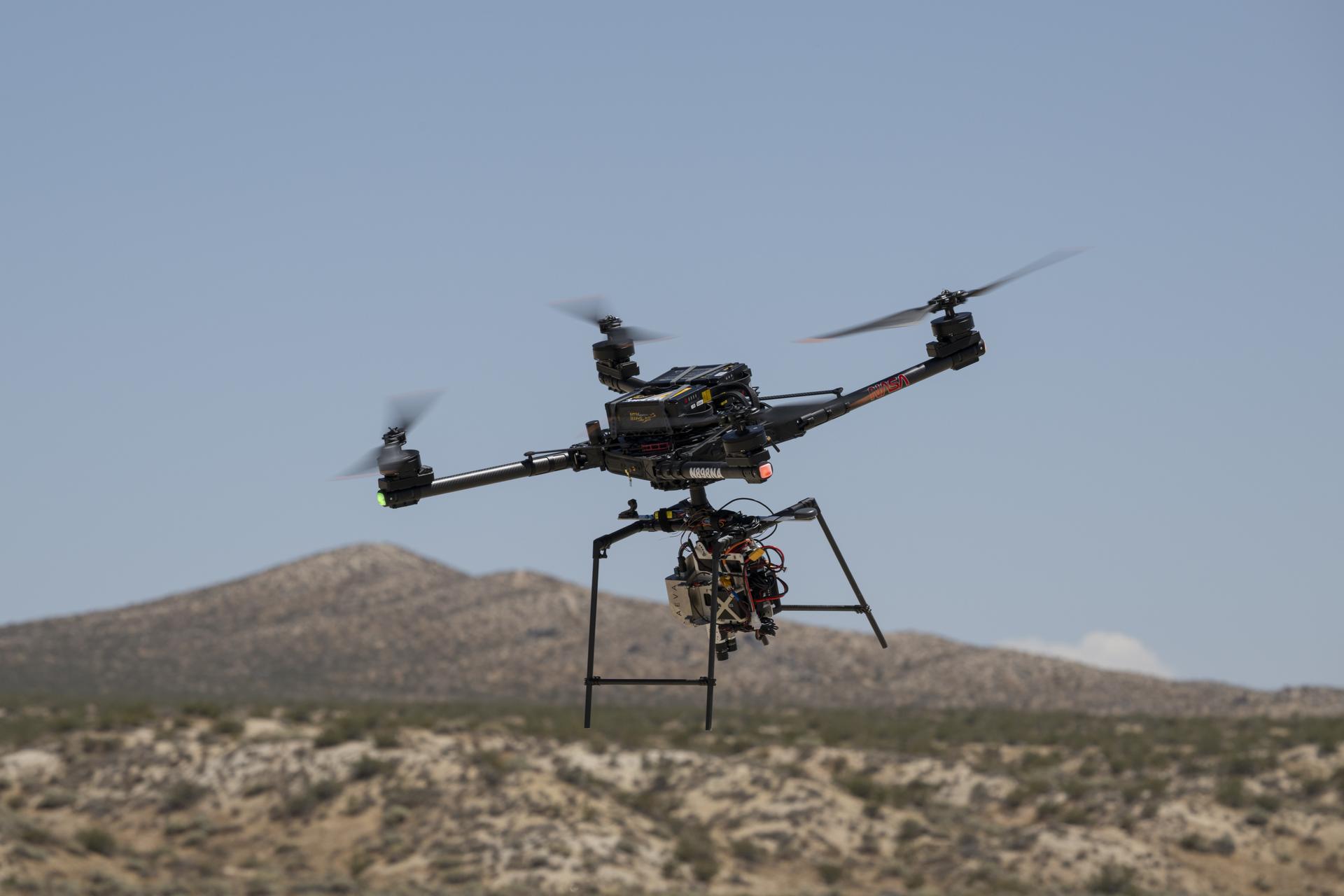
NASA successfully demonstrated technology designed to help spacecraft autonomously navigate to safe landing sites on the Moon and on other planets.
An Alta-X drone equipped with the agency’s Safe and Precise Landing – Integrated Capabilities Evolution (SPLICE) guidance, navigation, and control payload completed simulated lunar descent and landing maneuvers Aug. 27. The flight took place at Rogers Dry Lake near NASA’s Armstrong Flight Research Center in Edwards, California.
During the tests, the SPLICE payload used an advanced guidance system to map the terrain and assess potential landing areas. If the system determines the targeted landing area is unsafe, the system diverts the drone to a safer location. The system generates high-resolution digital elevation maps from light-detection and sensor data.
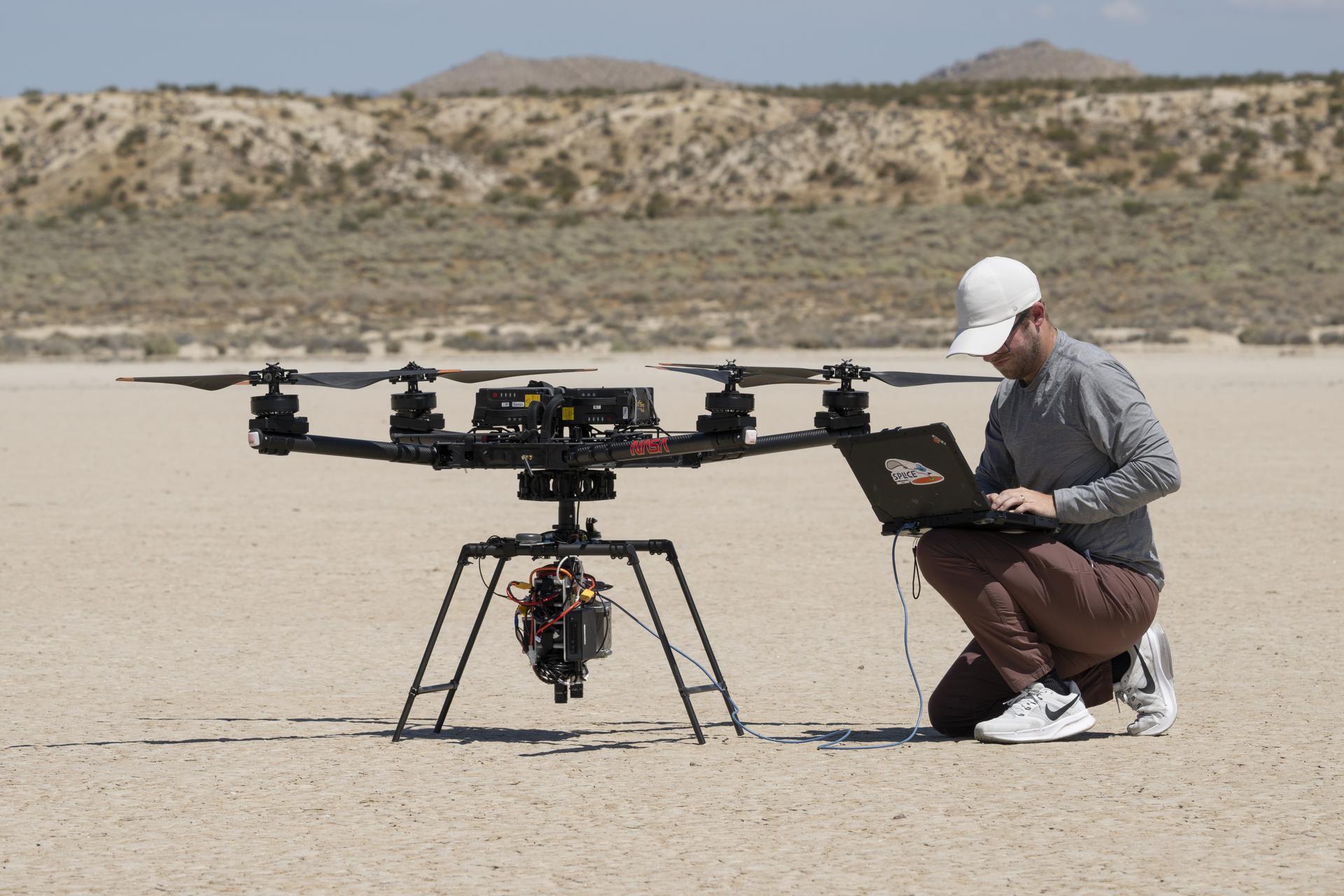
Researchers at NASA’s Johnson Space Center in Houston developed the SPLICE payload and partnered with specialists at NASA Armstrong to integrate, test, and fly it aboard the Alta-X drone in June and July. Those tests verified communications, data handling, telemetry, and command- control performance between the SPLICE payload and the drone to prepare for a full-scale test at Voyager Technologies in Mojave, California, later this month.
“This flight test is the culmination of almost a decade of work, for the SPLICE project,” said Davis Adams, NASA project manager. “This flight raised the technology readiness level, priming it for integration into future robotic and crewed lunar flights. Validation of the guidance and navigation systems are applicable to terrestrial, lunar, and Martian descent and landing missions.”
NASA has worked with a number of commercial lunar lander providers to implement iterations of SPLICE into their platforms. A number of the landers slated for upcoming Moon Base missions leverage data collected by NASA through the development of systems like SPLICE to execute soft touchdowns on the lunar surface.
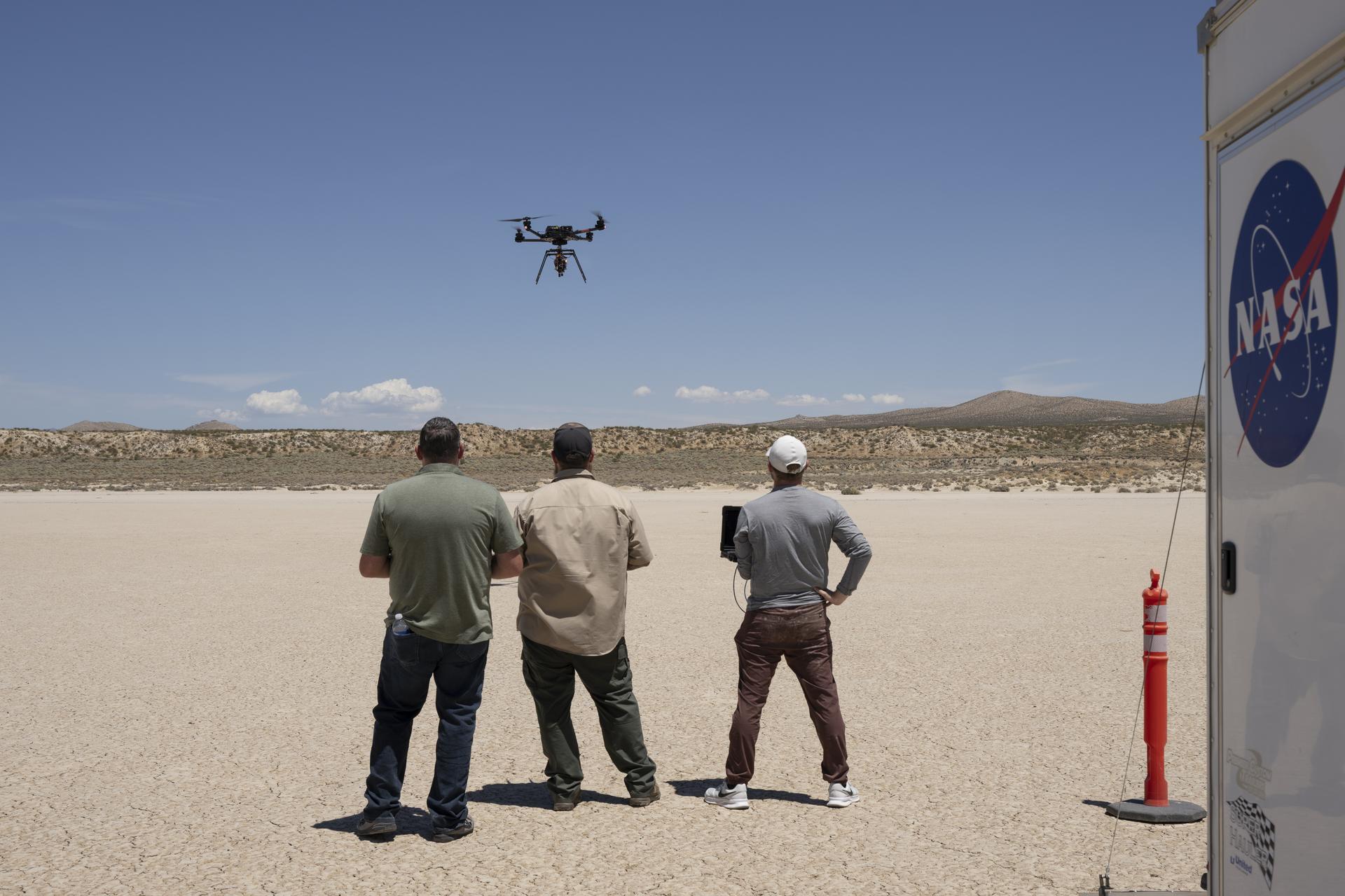
“We are coordinating with industry regarding the usage of the guidance system once the system is available in the NASA software catalog, currently planned for this fall,” Adams said. “Some of the companies also are evaluating the system’s navigation capabilities for precision landing applications, as well as potential extensions for autonomous surface mobility.”
NASA’s Flight Opportunities project, based at NASA Armstrong, enabled flight testing of the SPLICE project early in its development that laid a foundation for it to continue advancing its technology readiness level to what it is today. Flight testing included both a descent altitude and a landing trajectory in 2019 similar to what is expected on a lunar mission and the demonstration of two NASA-developed precision landing sensor systems in 2020.
Explore More

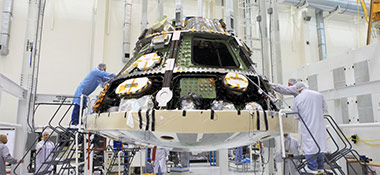
NASA Space Grant Students Fuel Agency’s Inspiration Tour
2026-11-04 16:16
4 min read
Preparations for Next Moonwalk Simulations Underway (and Underwater)
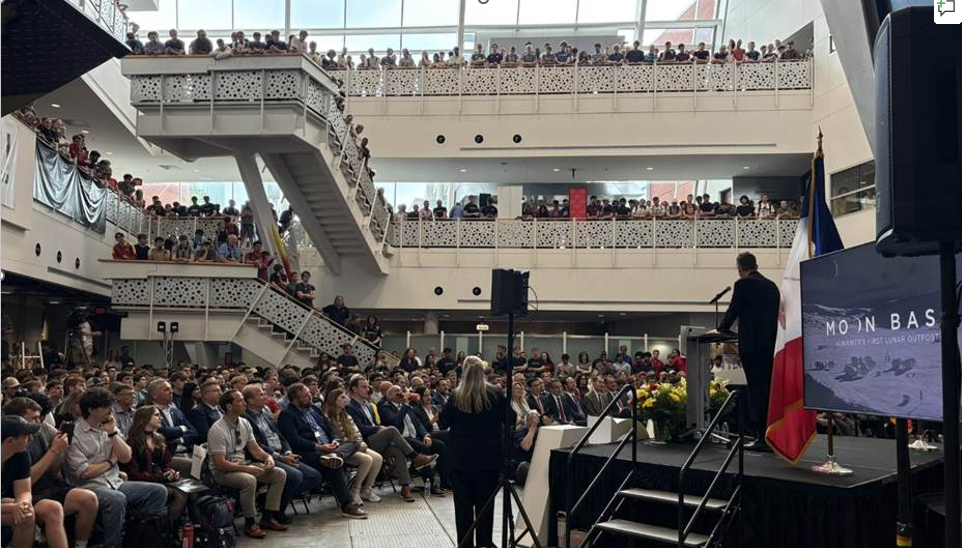
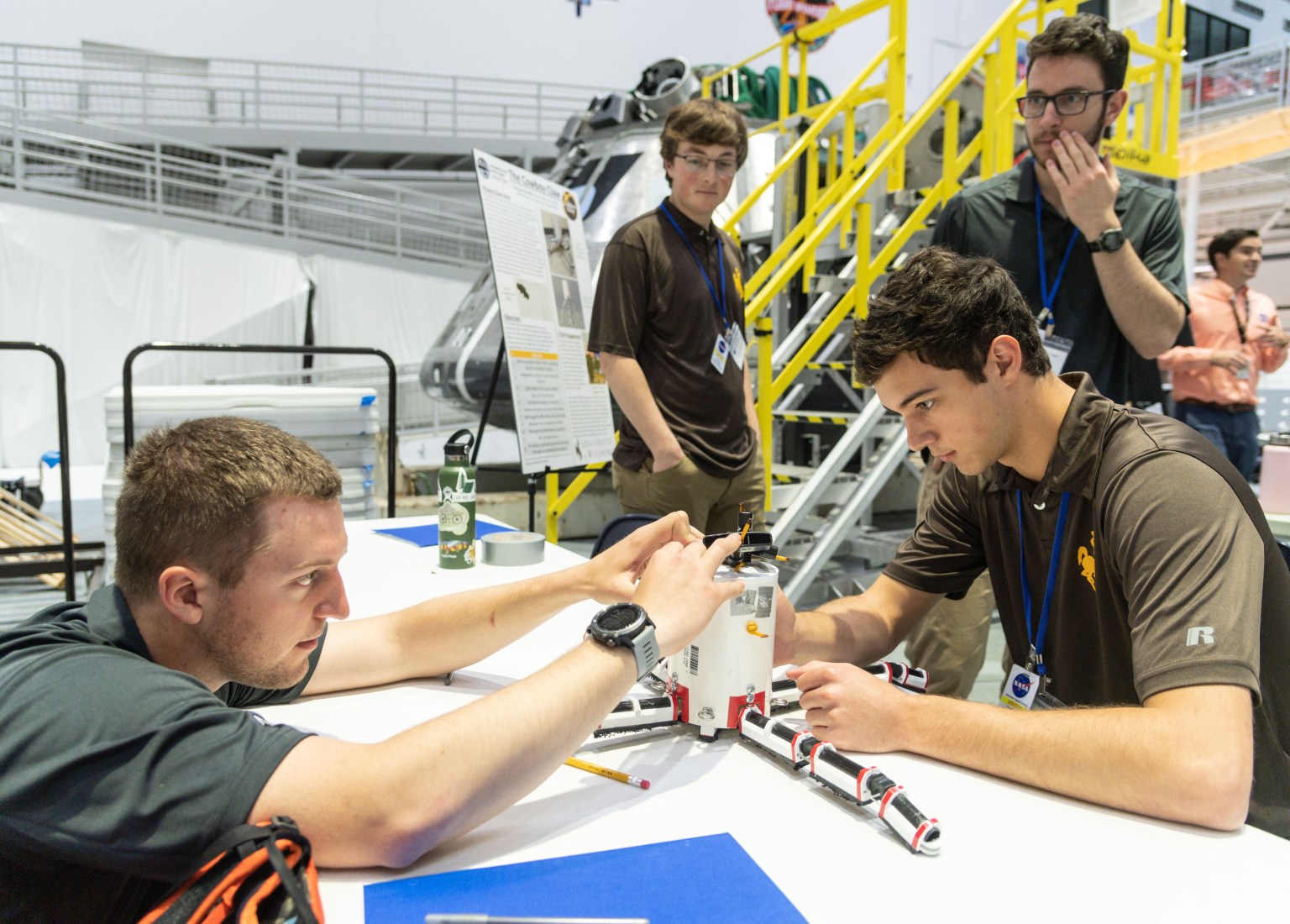
NASA’s Inspiration Tour spread the excitement of space exploration and aeronautical innovation by connecting the public, industry, and academia with the people, technologies, and organizations that drive American leadership in space. At nearly every stop across the country, NASA Space Grant has brought students into the heart of the action.
In Iowa, NASA Administrator Jared Isaacman toured the Make to Innovate program lab at Iowa State University. Students from the Iowa Space Grant Consortium’s Mission Moon program, along with consortium-funded student organizations including Cardinal Space Mining, CySat, and CyLaunch, shared research findings and demonstrated the institution’s strong connection to NASA via agency-funded projects. During a well-attended town hall event NASA experts briefed students on the agency’s Moon Base efforts and how their work can contribute to future exploration.
“We’re grateful for the opportunity to welcome NASA leadership to Iowa State,” said Sara Nelson Iowa Space Grant director. “The excitement among students was incredible, and the visit highlighted how the research and innovation happening in Iowa can help advance Artemis and NASA’s future exploration efforts.”
At the University of Arizona, the NASA administrator saw firsthand the space research and engineering capabilities that are enabled by the Arizona Space Grant Consortium. From satellite communications testing to complex optics for peering into deep space to student-built high-altitude balloon payloads and even small satellites, students at the University of Arizona have a long history of contributing to NASA missions and making aerospace career connections. This tour stop also included a Q&A session where the NASA administrator answered questions from local high school and college students.
“It was incredible to present the high-altitude ballooning research we do in SEDS (Students for the Exploration and Development of Space) to Jared Isaacman and those at NASA,” said Ella Miller, a junior studying mechanical engineering at the University of Arizona. “Arizona Space Grant has allowed me to get hands-on experience through an entire mission design process every semester, helping me pursue a career in space research and secure internships in this field.”
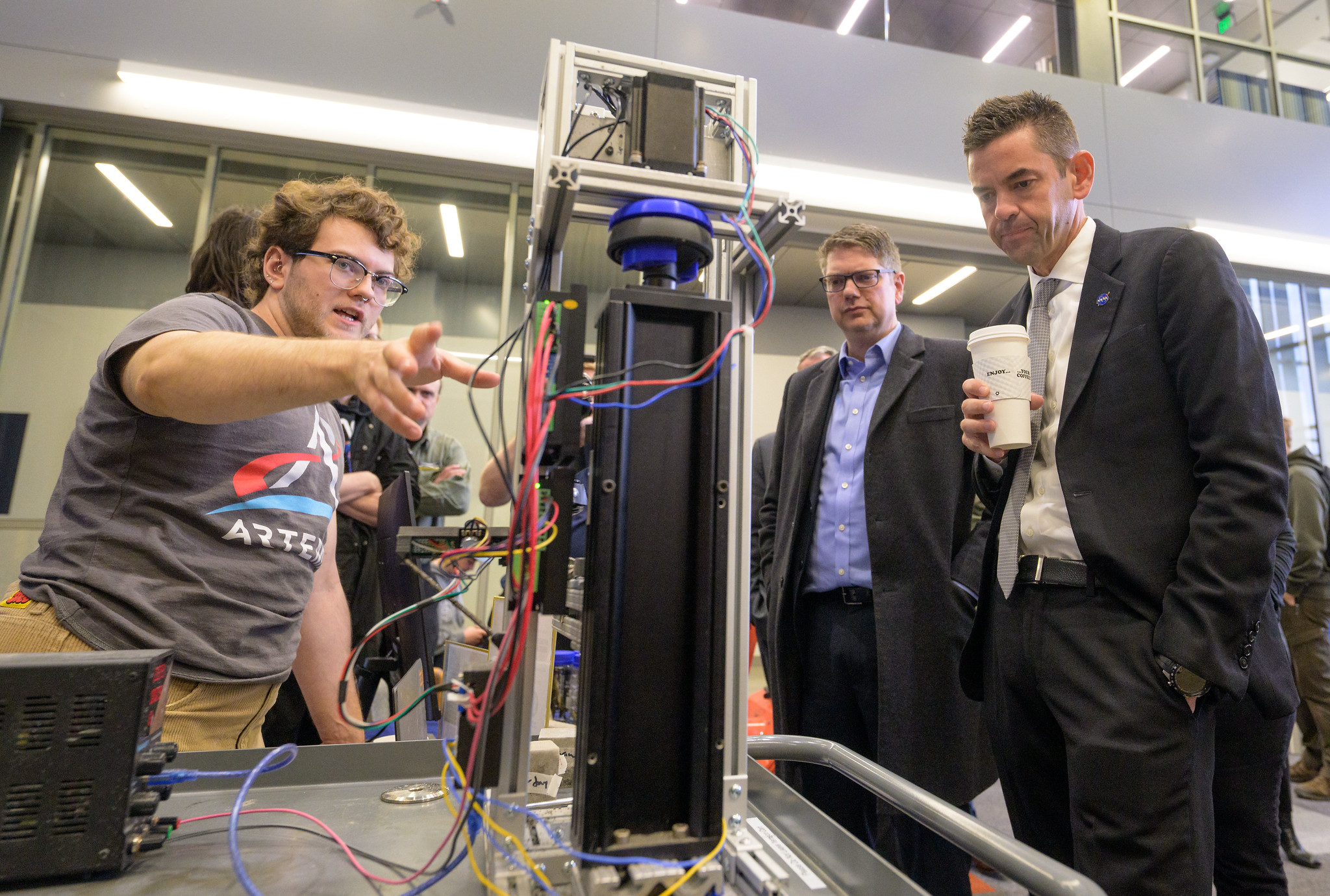
At the University of Alaska in Fairbanks, the Administrator toured two Geophysical Institute facilities: Poker Flat Research Range, the university’s scientific rocket launching facility, and the Alaska Satellite Facility. During an Alaska Space Grant science fair, students shared research in hibernation biology and showcased CubeSat technology advancements. Students were also able to learn about the agency’s Moon Base program and ask questions about opportunities available to the next generation of innovators and explorers.
In North Dakota, the Inspiration Tour focused on future exploration capabilities. Space Grant-funded research at the University of North Dakota is helping to shape the future of exploration across STEM fields. Student fellows and NASA interns shared their projects on supercell mergers using satellite imagery, geomagnetic conditions of aurora borealis, and in-situ resource utilization, to name a few. North Dakota Space Grant STEM ambassador students also shared robotics and drone activities as part of “Mission Moon”, which centers Artemis initiatives in statewide collaborations with educators and other North Dakota colleges and universities.
“Getting to speak with the NASA Administrator was an amazing opportunity!” said research fellow and STEM ambassador Malissa Reinhardt. “He genuinely cared about what we students had to say and the research we’re working on, which makes all the hard work we put into our research and North Dakota Space Grant Consortium so rewarding.”
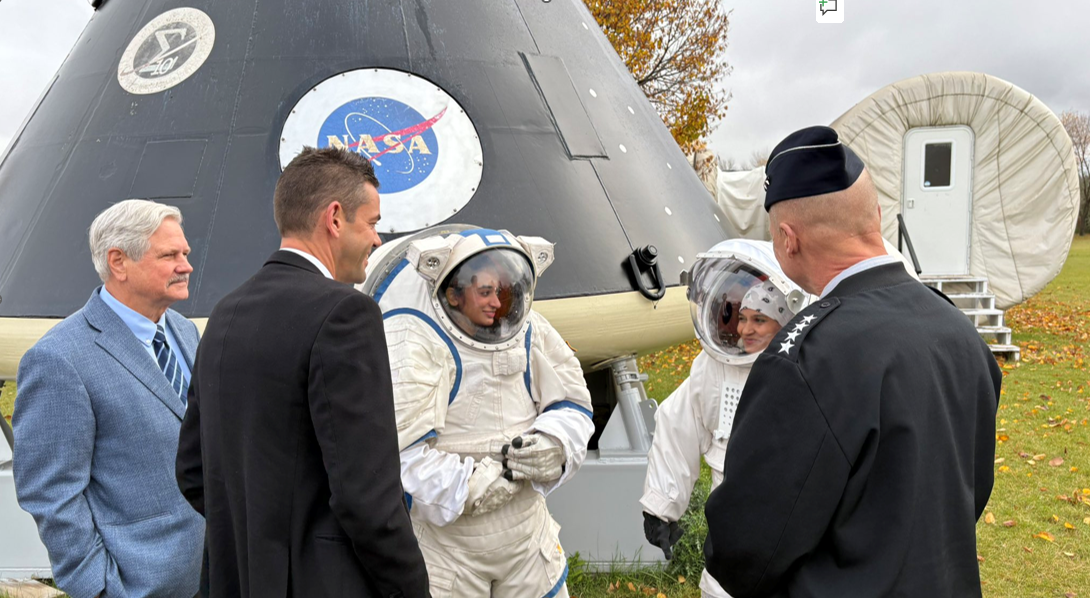
NASA’s Inspiration Tour will culminate in MAX POWER, a public showcase of air and space innovation on Nov. 7 and 8, highlighting the agency’s commitment to preparing the next generation of innovators and explorers for humanity’s next giant leap. As NASA enters a Golden Age of innovation and exploration, the national network of Space Grant consortia is expanding opportunities for students to lead the way in an aerospace workforce that is evolving and growing. At learning institutions from coast to coast, today’s Space Grant students are launching America’s future in space.
To find ways to engage with NASA’s exciting missions, broad range of careers, and unique learning opportunities, visit:

Hubble Reveals Cosmic Mystery
2026-11-04 15:59

This photo released on Nov. 2, 2026, showcases NGC 4449, a dwarf irregular. Researchers using NASA’s Hubble Space Telescope studied 37 nearby dwarf galaxies — small galaxies containing a few thousand to hundreds of millions of stars — including NGC 4449 and found that much of the oxygen they expected to see is missing.
Image credit: NASA, ESA, Hubble Heritage–ESA/Hubble Collaboration, Alessandra Aloisi (STScI, ESA)
APOD: 2026 November 4 – The Not-So-Hidden Galaxy, IC 342
2026-11-04 05:05
APOD
Astronomy Picture of the Day
Discover the cosmos! Each day a different image or photograph of our fascinating universe is featured, along with a brief explanation written by a professional astronomer.
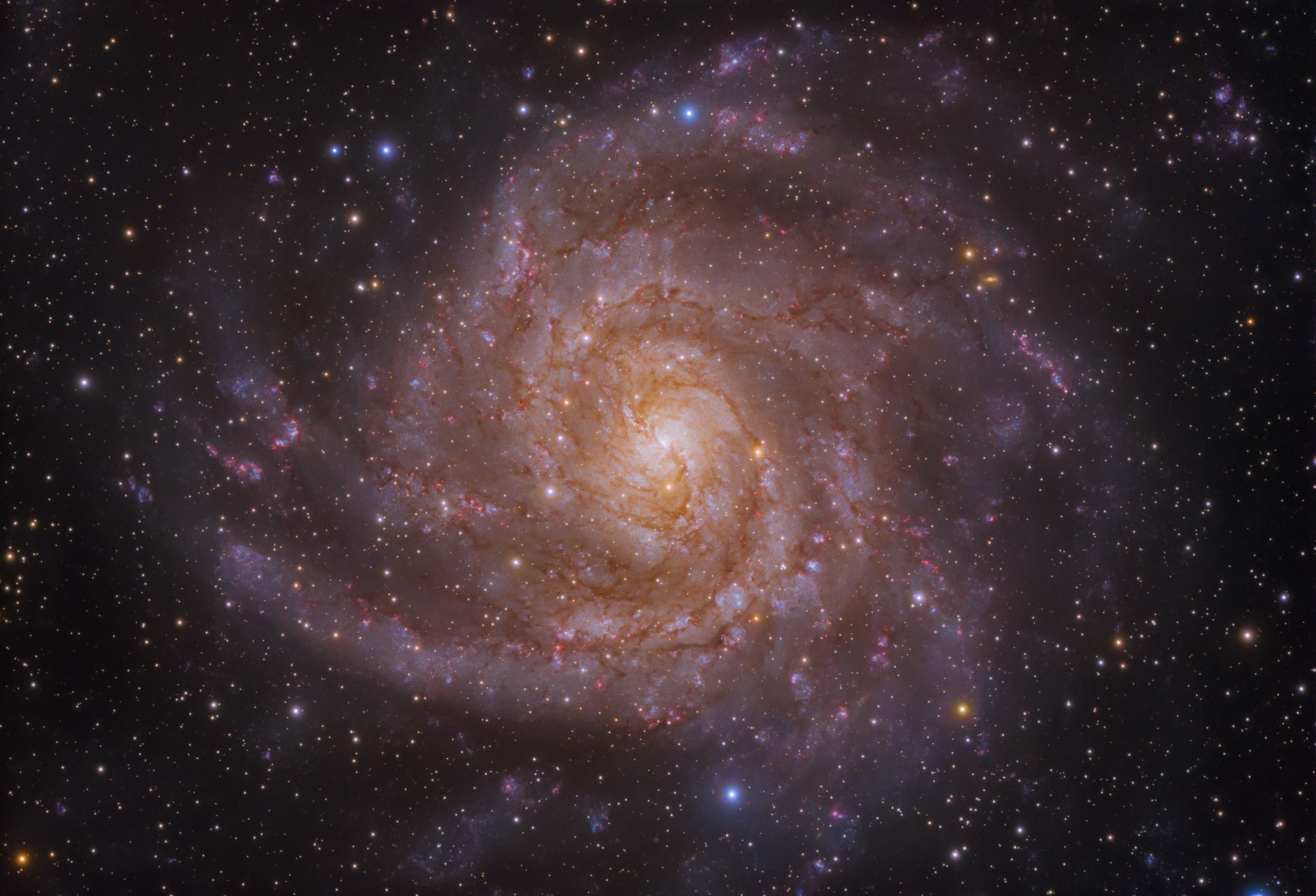
The Not-So-Hidden Galaxy, IC 342
Explanation: “I see” IC 342, the Hidden Galaxy! Today’s image peers through the plane of the Milky Way, through all its gas, dust and stars, to unveil this spiral galaxy. IC 342 (or Caldwell 5) is one of the brightest members of the IC 342/Maffei group of galaxies. Located about 10 million light years away, this group is quite close to the Local Group that includes our Milky Way. Inaccurate accounting of the crowded and dusty Milky Way foreground has led to misunderstandings in IC 342’s history, including the theory that the galaxy was ejected from the Local Group. IC 342 has its own dust intermittently blocking the glow of hydrogen gas, indicating the presence of bright, young stars. Magnetic field maps of IC 342 reveal that magnetic fields may contribute substantially to one of the biggest galactic puzzles: how do spiral arms form?
Tomorrow’s picture: open space
| Date: | November 4, 2026 |
|---|---|
| Credit & Copyright: | Artem Mironov |
| Authors & editors: | Keighley Rockcliffe, Robert Nemiroff, Jerry Bonnell, Cecilia Chirenti |
| A service of: |
ASD at NASA / GSFC, NASA Science Activation & Michigan Tech. U. |
Before the Dawn in America’s Heartland
2026-11-04 05:01
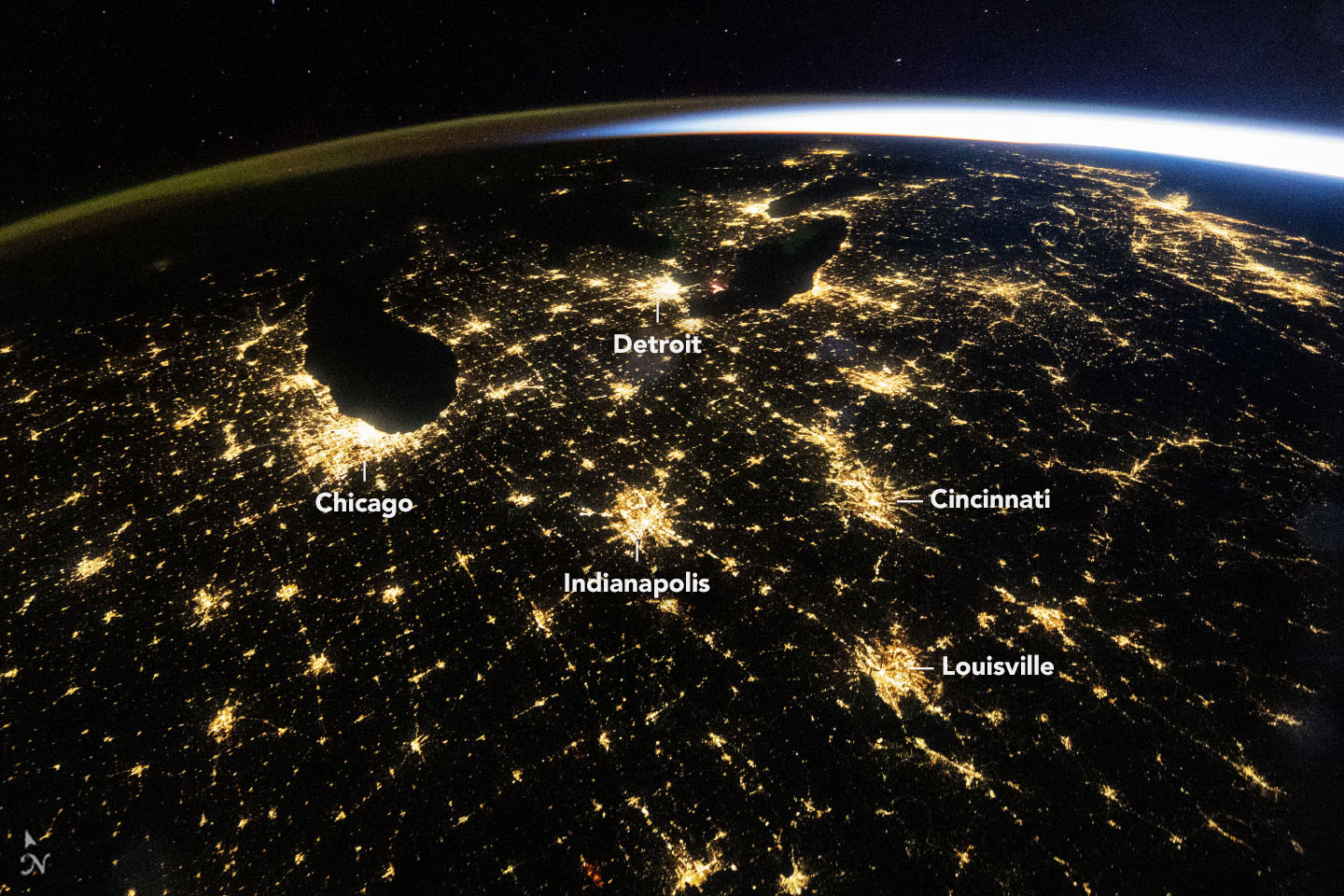
The predawn hours brought clear skies over much of the eastern United States on October 18, 2026. An astronaut aboard the International Space Station seized the opportunity to capture this wide-angle photo at 4:54 a.m. Central Daylight Time (09:54 Universal Time), with illuminated cities large and small arrayed across the darkened landscape.
The U.S. Midwest’s largest metropolitan areas, such as Chicago, Illinois, and Detroit, Michigan, stand out as some of the brightest features. Mid-sized cities—including Indianapolis, Indiana; Cincinnati, Ohio; and Louisville, Kentucky—and their interconnections along state and interstate highways also shine brightly.
Above the web of nighttime lights and Earth’s lower atmosphere, a diffuse layer of green and orange is visible along the horizon to the left. This band of light is airglow, produced when sunlight strikes atoms and molecules in the upper atmosphere and causes them to eject photons. To the right, light from the Sun arcs across the horizon; sunrise was about an hour away on the East Coast and about two hours away in Chicago.
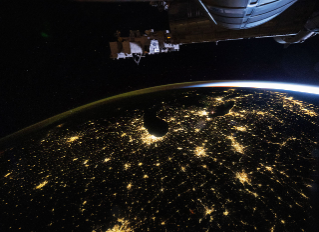
Astronaut photos and other remote sensing observations of nighttime lights are scientifically valuable for tracking changes in the built environment. For example, Chicago’s lightscape appears a homogeneous pale yellow in the wide view above. But in detailed photos, like the one below, a range of colors stemming from different types of lighting is discernible. Using NASA’s extensive Gateway to Astronaut Photography of Earth archive, researchers have developed a method for distinguishing lighting types within the pixels of nighttime photos. Systematically quantifying urban lights’ brightness, color, and extent can provide insight into how cities grow and evolve.

Satellite sensors also observe changes to lighting. In particular, NASA’s Black Marble nighttime lights product suite uses satellite observations to produce science-quality records of nighttime lights across the globe at daily, monthly, and yearly time scales. In the eastern U.S., scientists have used these data to track everything from power outages and restoration following major storms to lighting changes associated with new infrastructure to transitions to LED lighting from older forms.
Astronaut photograph ISS075-E-226709 was acquired on October 18, 2026, with a Nikon Z9 digital camera using a focal length of 14 millimeters, and photograph ISS070-E-105097 was acquired on March 1, 2024, with a Nikon D5 digital camera using a focal length of 400 millimeters. They are provided by the ISS Crew Earth Observations Facility and the Earth Science and Remote Sensing Unit at NASA Johnson Space Center. The images were taken by members of the Expedition 75 and Expedition 70 crews, respectively. The images have been cropped and enhanced to improve contrast, and lens artifacts have been removed. The International Space Station Program supports the laboratory as part of the ISS National Lab to help astronauts take pictures of Earth that will be of the greatest value to scientists and the public, and to make those images freely available on the internet. Additional images taken by astronauts and cosmonauts can be viewed at the NASA/JSC Gateway to Astronaut Photography of Earth. Story by Lindsey Doermann.

References & Resources
- NASA Earth Observatory (2026, May 15) Picturing Earth in a New Light. Accessed November 3, 2026.
- NASA Earth Observatory (2024, November 24) Windy City of Lights. Accessed November 3, 2026.
- NASA Earth Observatory (2017, December 27) Observing Changes in Nighttime Lights. Accessed November 3, 2026.
You may also be interested in:
Stay up-to-date with the latest content from NASA as we explore the universe and discover more about our home planet.
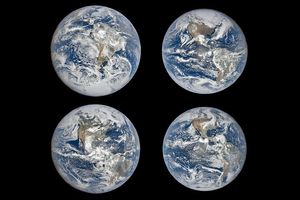
The tilt in Earth’s axis of rotation makes the apparent position of continents shift with the seasons in imagery from…
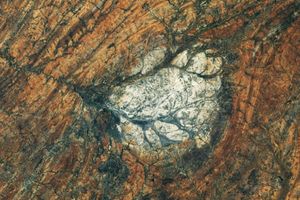
A bright lens of anorthosite, a rock type prevalent on the lunar surface, is cradled within sheared rocks in the…

Over the years, astronauts aboard the International Space Station have photographed several of the cities hosting the 2026 FIFA World…



TechCrunch - Latest
Sequoia hits rewind, undoing 20 years of expansion
2026-11-04 17:11
I tried Apple’s Siri Recaps. They’re surprisingly useful — and a little unsettling
2026-11-04 16:51
Google faces backlash for plan that would turn off Search for schools that restrict AI
2026-11-04 16:17
Titan OS raises $46 million to expand its smart TV OS internationally
2026-11-04 15:00
Revolut’s valuation jumps 53% to $115B in new share sale as it prepares to launch US bank
2026-11-04 14:10


