📰 Trending Topics
Google News - Trending
Jerry Jones on Cowboys' defense: 'I like the way we're trending' - Dallas Cowboys | Official Site of the Dallas Cowboys
2026-11-03 16:15
2026 Heisman Trophy Odds: Mensah Leads - PFF
2026-11-04 14:12
Revolut Cuts A.I. Coding Costs 90% With a Chinese Open-Weight Model - www.trendingtopics.eu
2026-11-03 08:22
Google News - Technology
X says its updated web app is way faster - The Verge
2026-11-05 00:25
Nintendo’s biggest ROM chip supplier is bowing out of the business - Ars Technica
2026-11-04 22:47
- Nintendo’s biggest ROM chip supplier is bowing out of the business Ars Technica
- Nintendo is losing a Switch cartridge supplier The Verge
- Nintendo ROM chip supplier Macronix quits to focus on chips for AI data centers, reports indicate — Game-Key cards may increase as large game storage chips become more expensive Tom's Hardware
- Nintendo’s Switch 2 Game Card Situation Just Became Dire Gizmodo
- Another Blow For Physical Media As Nintendo’s Switch Cartridge Chip Manufacturer Pivots To Data Centers Kotaku
Apps Can Now Try to Stop You From Canceling Subscriptions - MacRumors
2026-11-04 23:58
- Apps Can Now Try to Stop You From Canceling Subscriptions MacRumors
- Apple now lets developers offer discounts when users move to cancel subscriptions 9to5Mac
- Apple launches retention messages with offers for subscribers who start canceling Mezha.net
- Apple adds a new subscription retention feature for developers MacTech.com
- Apple lets developers offer discounts during subscription cancellation news.lavx.hu
Motorola could be bringing back a familiar Android phone after five years - Android Central
2026-11-04 19:58
- Motorola could be bringing back a familiar Android phone after five years Android Central
- Motorola Moto One leaks with Qi2, Snapdragon 8 Gen 5 and triple camera Notebookcheck
- Motorola One Design Revealed in WPC Listing, Geekbench Appearance Hints at Key Specs Gadgets 360
- The Moto One is coming back, complete with wireless charging Android Headlines
- Motorola is apparently working on a surprising product revival with some intriguing specs PhoneArena
The Legend of Zelda Ocarina of Time 1.1.1 update out now, patch notes - Nintendo Everything
2026-11-04 11:38
- The Legend of Zelda Ocarina of Time 1.1.1 update out now, patch notes Nintendo Everything
- Why Nintendo is betting on a nearly 30-year-old game remake to win the holiday CNN
- Nintendo’s designers strove for ‘elegance’ when remaking Ocarina of Time The Verge
- The Legend of Zelda: Ocarina of Time review – a dream come true The Guardian
- Ask the Developer Vol. 24: The Legend of Zelda: Ocarina of Time — Part 4 Nintendo
NASA - Breaking News
APOD: 2026 November 5 – Enceladus in Silhouette
2026-11-05 05:05
APOD
Astronomy Picture of the Day
Discover the cosmos! Each day a different image or photograph of our fascinating universe is featured, along with a brief explanation written by a professional astronomer.

Enceladus in Silhouette
Explanation: One of our Solar System’s most tantalizing worlds, Enceladus is backlit by the Sun in this Cassini spacecraft image from November 1, 2009. The dramatic illumination reveals the plumes that continuously spew into space from the south pole of Saturn’s 500 kilometer diameter moon. Discovered by Cassini in 2005, the icy plumes are likely connected to an ocean beneath the ice shell of Enceladus. They supply material directly to Saturn’s outer, tenuous E ring and make the surface of Enceladus as reflective as snow. Across the scene, Saturn’s icy rings scatter sunlight toward Cassini’s cameras. Beyond the rings (lower right), the night side of 80 kilometer diameter moon Pandora is faintly lit by Saturnlight.
Tomorrow’s picture: pixels in space
| Date: | November 5, 2026 |
|---|---|
| Credit: | Cassini Imaging Team, SSI, JPL, ESA, NASA |
| Authors & editors: | Jerry Bonnell, Cecilia Chirenti, Robert Nemiroff, Keighley Rockcliffe |
| A service of: |
ASD at NASA / GSFC, NASA Science Activation & Michigan Tech. U. |
Cyprus: Island of Snakes, Cats, and Ophiolites
2026-11-05 05:01
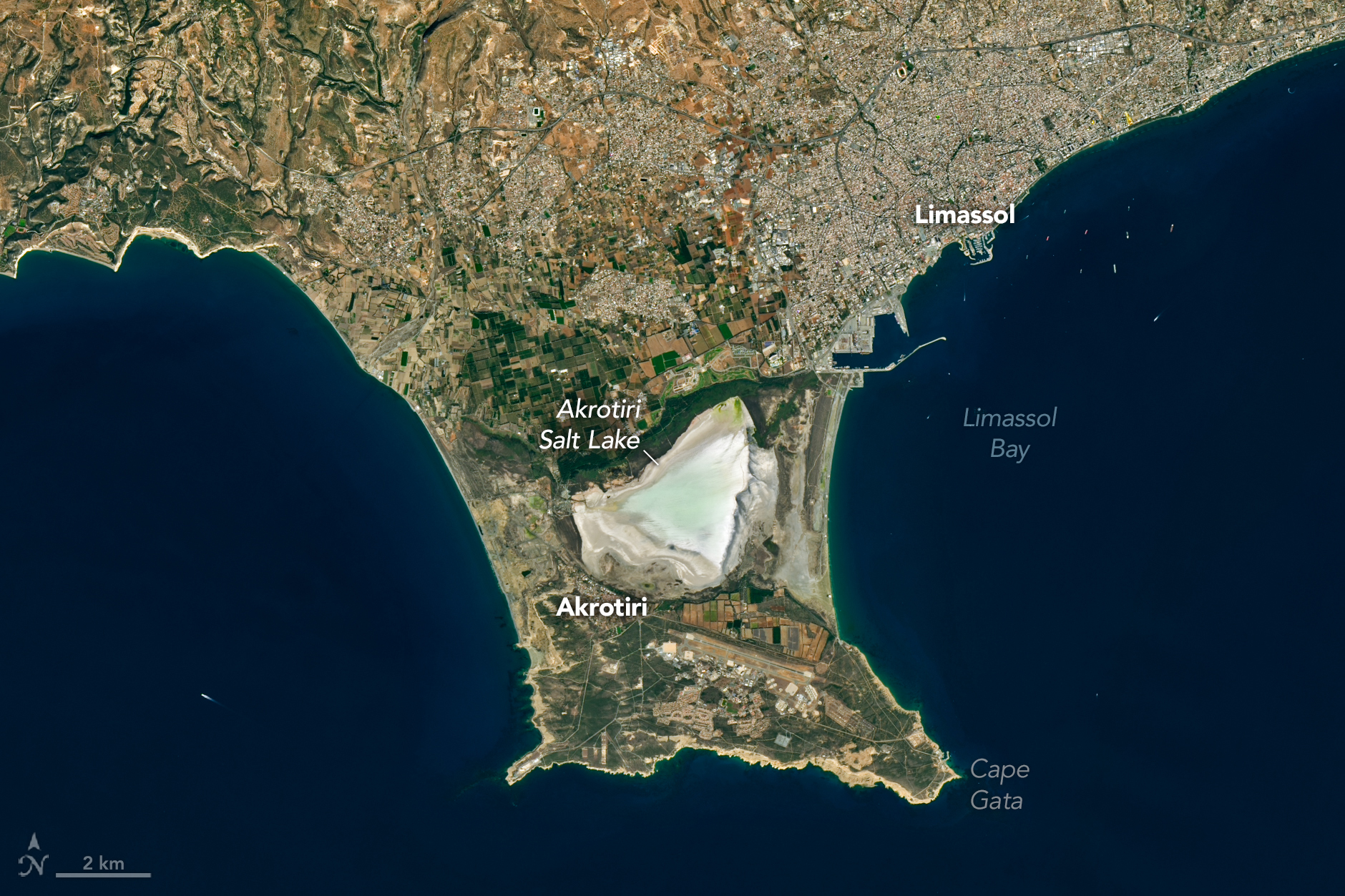
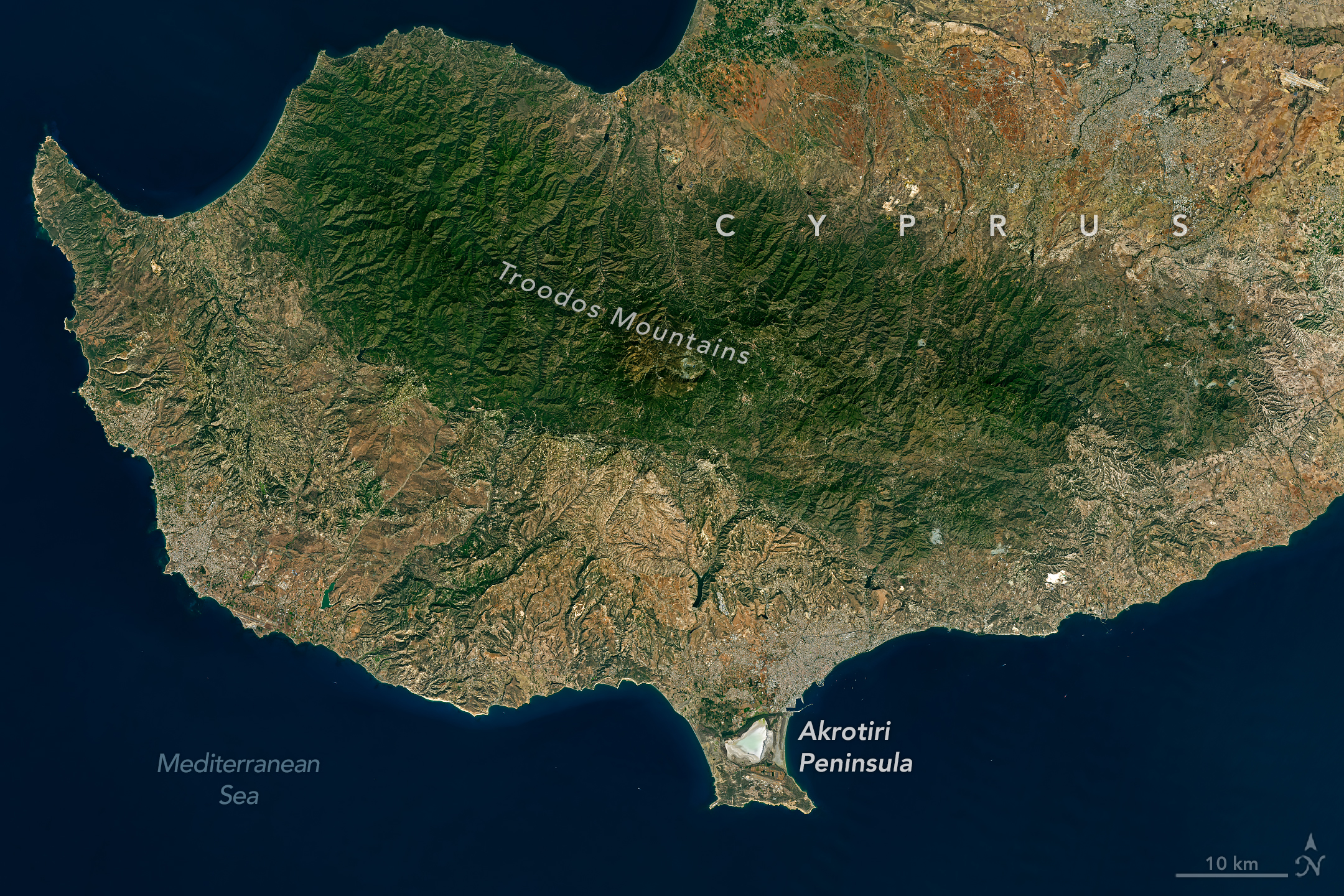
The island of Cyprus began to form some 90 million years ago during the Late Cretaceous, with molten rock pouring from the seafloor, solidifying, and building new oceanic crust. Over time, portions of this oceanic rock were wrenched upward by tectonic forces, eventually emerging as a rugged island made of ophiolite, a type of rock with a mottled green appearance said to look like the skin of a snake. Remnants of that ancient island are still visible in the dark rocks of the Troodos Mountains.
During the Miocene, considerably younger layers of chalk, limestone, marl, and other marine sedimentary rocks accumulated around the island, providing material that developed into a second, smaller island to the south during a later period of geologic uplift. Over time, sediment poured from rivers into the channel separating the two islands and combined with marine sediments to create deltas and eventually two land bridges, or tombolos. The joined landmass comprises the Akrotiri Peninsula, now the southernmost tip of Cyprus.
The sandy edges of the peninsula were visible when Landsat 8 captured these images on October 10, 2026. Akrotiri Salt Lake, a coastal lagoon that was once an arm of the Mediterranean Sea, lies between the two tombolos. The more westerly feature, the Kouris River tombolo, formed first, developing about 50,000 years ago from river-deposited gravels and sands. The eastern tombolo extended southward from Cyprus, cutting off the Mediterranean Sea only within the past 2,000 years, according to geologists.
The lake’s water levels now vary markedly with the seasons, typically filling in the late autumn and winter and drying out in the summer. The influx of winter water has historically attracted sizable overwintering flamingo populations, averaging about 4,000 birds. However, the wintering flamingo population has declined in recent years, plummeting to 30 birds in 2025, according to news reports. Flamingos have long flocked to the lake to feed on fairy shrimp, which are rich in colorful substances called carotenoids that give the birds their famously pink hue.
Snakes are another of the island’s more notorious animal inhabitants. In antiquity, Cyprus was known as Ophiousa, or “land of snakes,” likely due to its robust population of blunt-nosed vipers. According to legend, the island’s snake communities grew to be so problematic during a drought in the fourth century that the Roman Empress Helena, mother of Constantine the Great, called for shiploads of cats to be sent from Egypt to control the venomous reptiles.
The first feline imports were released in a particularly snake-infested area on the southeastern part of the Akrotiri Peninsula, an area that came to be known as Cape Gata (Cape Cat in Greek). The cape today is still home to the Holy Monastery of St. Nicholas of the Cats, a place where legend says that monks encouraged newly arrived Egyptian cats to hunt snakes. Today, Cyprus has as many cats as people, with more than one million of the feline predators stalking the island. The handful of nuns who now live in the monastery still care for hundreds of cats, according to the St. Nicholas Center.
NASA Earth Observatory images by Michala Garrison, using Landsat data from the U.S. Geological Survey. Story by Adam Voiland.

References & Resources
- AP (2025, October 14) Cyprus has a cat problem: One feline for every resident. Accessed November 4, 2026.
- Atlas Obscura Holy Monastery of St. Nicholas of the Cats. Accessed November 4, 2026.
- BirdLife Cyprus (2025, November 17) When the Salt Lakes turn pink: The Greater Flamingos of Cyprus. Accessed November 4, 2026.
- BirdLife Cyprus Akrotiri Peninsula SOS. Accessed November 4, 2026.
- BirdLife Cyprus (2024) A Review of the Hydrology & Ecology of the Akrotiri Peninsula wetlands. Accessed November 4, 2026.
- The Geological Society, Troodos Ophiolite, Cyprus. Accessed November 4, 2026.
- James, S., et al. (2021) From phantom town to maritime cultural landscape and beyond: Dreamer’s Bay Roman-Byzantine ‘port’, the Akrotiri Peninsula, Cyprus, and eastern Mediterranean maritime communications. The Journal of the Council for British Research in Levant, 52(3).
- Kyriacou, C. (2021) Saints, Sacred Trees, and Snakes: Popular Religion, Hierotopy, Byzantine Culture, and Insularity in Cyprus during the Long Middle Ages. Religions, 12(9), 738.
- Philenews (2025, February 19) Flamingo numbers in Cyprus hit historic low. Accessed November 4, 2026.
- Polidorou, M. & Evelpidou, N. (2021) Geomorphology of the Coastal Sand Dune Fields and Their Association with the Palaeolandscape Evolution of Akrotiri Peninsula, Lemesos, Cyprus. Geosciences, 11(11), 448.
- Polidorou, M., et al. (2021) Observations on Palaeogeographical Evolution of Akrotiri Salt Lake, Lemesos, Cyprus. Geosciences, 11(8), 321.
- Robertson, A. (1998) Mesozoic-Tertiary tectonic evolution of the easternmost Mediterranean area: integration of marine and land evidence. Proceedings of the Ocean Drilling Program, 160.
- St. Nicholas Center, St. Nicholas of the Cats—Ayios Nikolaos ton Gaton—Monastery. Accessed November 4, 2026.
You may also be interested in:
Stay up-to-date with the latest content from NASA as we explore the universe and discover more about our home planet.
Stewart Island/Rakiura, New Zealand’s third-largest island, is known for its vibrant birdlife, unique forests, wilderness beaches, and views of the…

The drying of the massive lake exposed playas that became the setting for feats of engineering and technological ingenuity, as…
Marshy, sandy terrain and an impassable inlet helped colonial forces repel British forces during a pivotal battle on the barrier…


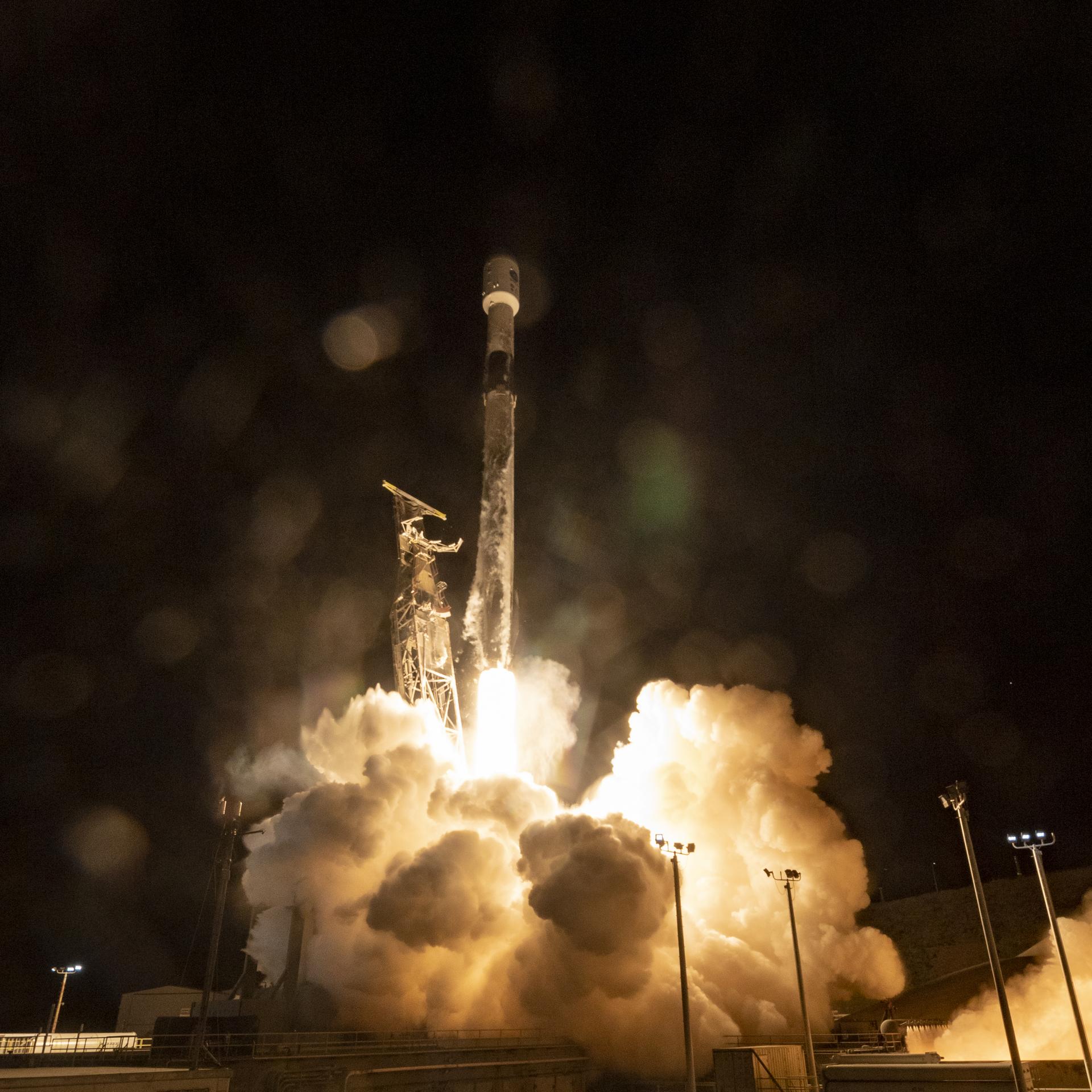

NASA Announces X-70 Experimental Aircraft to Advance Flight Research
2026-11-05 01:43

On Wednesday, NASA unveiled its newest experimental aircraft, the X-70 Fractal, during the UP.Summit at the agency’s Kennedy Space Center in Florida. This high-performance, highly adaptable research platform is designed to accelerate the development and testing of advanced aviation technologies.
The crewed X-70 features advanced, rapidly reconfigurable flight-control technology that will allow NASA to explore aircraft maneuverability in ways never before demonstrated in crewed flight. The aircraft can also accommodate up to 2,000 pounds of experimental payloads in internal and external locations, enabling a wide range of research and flight-testing opportunities.
“The X-70 Fractal gives NASA a crewed, high-performance platform to test advanced flight-control, maneuverability, and other cutting-edge technologies in real flight,” said NASA Administrator Jared Isaacman. “Its modular design and ability to rapidly swap internal and external payloads will keep our teams flying, learning, and moving quickly from one experiment to the next. We expect her first flight under the NASA banner within the next two years, and X-70 is just one part of this new beginning for aeronautics. This is why people come to NASA: to build, to learn, and most importantly, to fly.”
The X-70 Fractal has a takeoff weight of 10,000 pounds and is designed to cruise at Mach .75, reach altitudes of up to 45,000 feet, and provide an operational range exceeding about 1,726 miles (1,500 nautical miles). These capabilities will enable NASA to conduct demanding flight research across a broad range of operating conditions.
“For decades, NASA Aeronautics has used X-planes to develop technologies that advance aviation,” said Laurie Grindle, director of the Aeronautics Division within NASA’s Research and Technology Mission Directorate. “It’s exciting to bring on another X-plane to accelerate and drive aeronautics research.”
The X-70 joins a storied legacy of experimental aircraft that have helped establish America’s leadership in aviation. From the Bell X-1, which first broke the sound barrier in 1947, to the X-15 hypersonic research aircraft and today’s X-59 quiet supersonic demonstrator, NASA has spent decades pushing the boundaries of flight.
With the X-70, NASA will expand its capacity to conduct experimental flight research, accelerate the testing of emerging technologies, and advance the next generation of American aviation.
For more information about NASA’s aeronautics research, visit:
https://www.nasa.gov/aeronautics
-end-
George Alderman / Cheryl Warner
Headquarters, Washington
202-358-1600
george.a.alderman@nasa.gov / cheryl.m.warner@nasa.gov
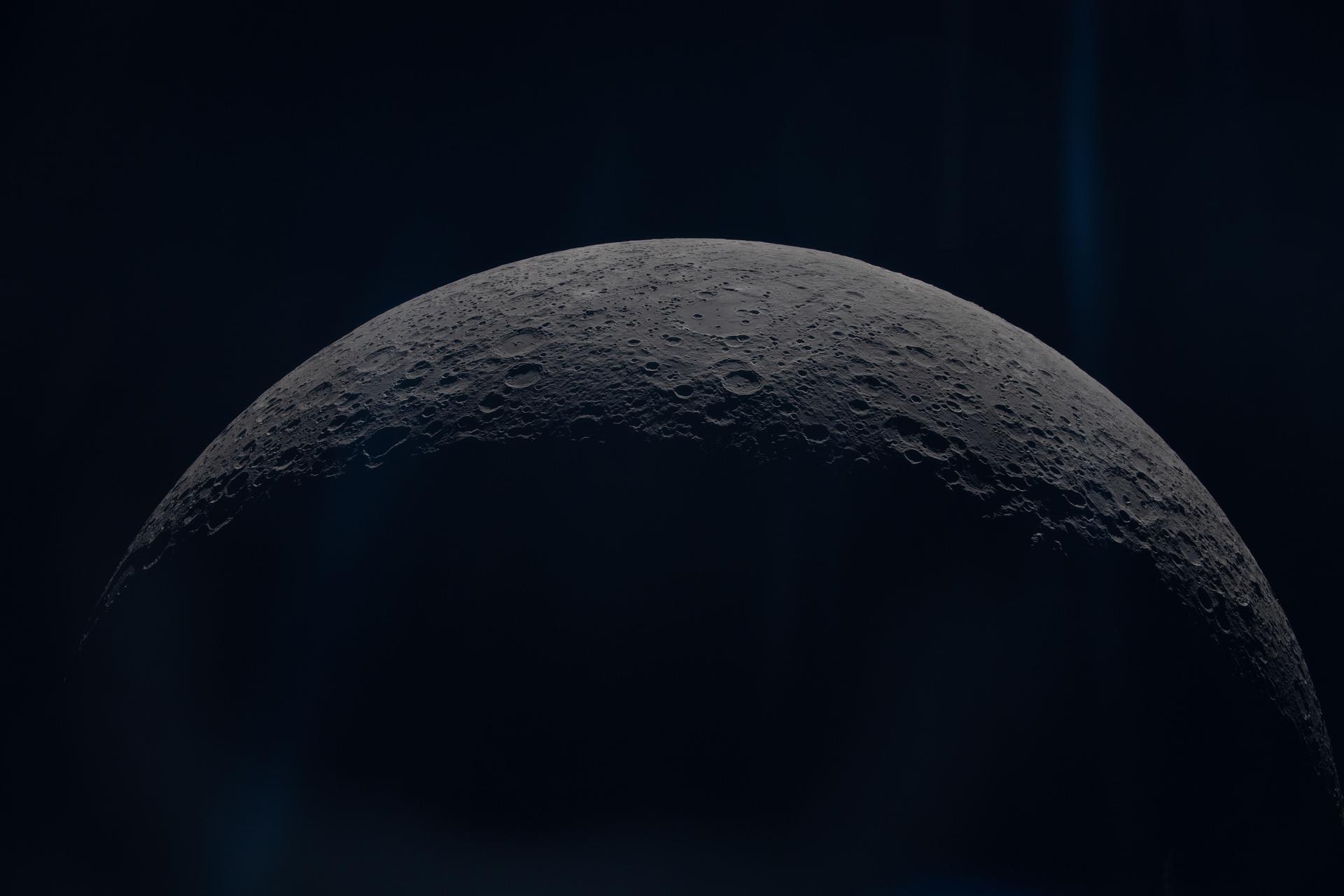
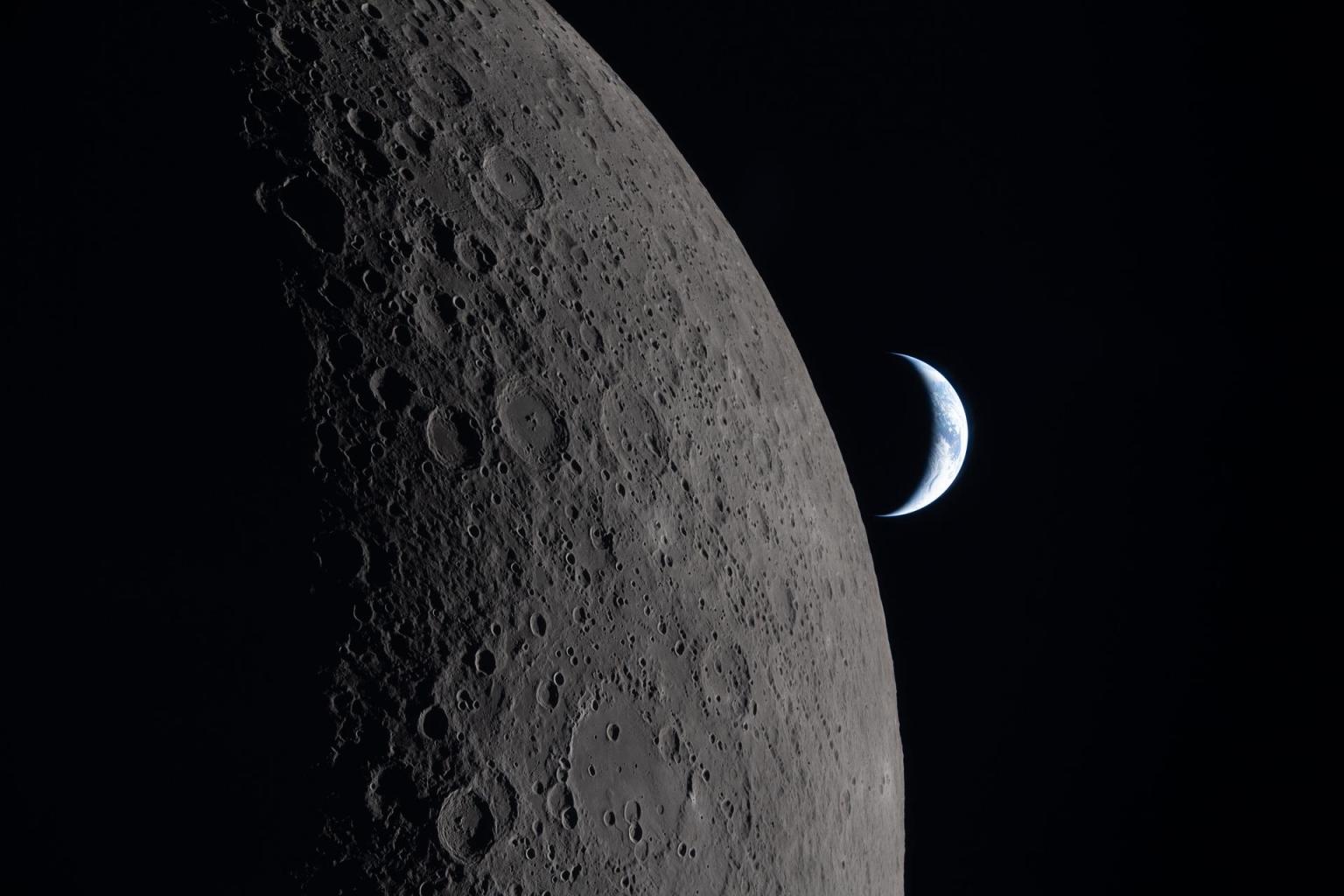
NASA Shares Plans to Accelerate Artemis, Return to Moon
2026-11-04 21:04
4 min read
Preparations for Next Moonwalk Simulations Underway (and Underwater)
In an update on Oct. 23, NASA Administrator Jared Isaacman and other agency leaders shared the agency’s path to returning Americans to the lunar surface in 2028.
Agency leadership provided updates on the previously announced acceleration plans for the Artemis program, advancing toward the agency’s Artemis III test flight in 2027 and Artemis IV Moon landing mission in 2028. Building on the priorities announced at Ignition earlier this year, NASA leadership shared the agency’s significant progress across its missions, working with industry partners to test critical capabilities, reduce risk, and build toward a sustained American presence on the Moon.
“This is a very energized NASA, and these updates are only a small part of that story. We are bringing extreme focus to the mission to ensure delivery of world-changing outcomes as quickly, safely, affordably, and successfully as possible,” said Isaacman. “NASA is driving outcomes to make Moon missions a reality, and we’re not waiting for others to bring their plans to us — the campaign must move with urgency as strategic competitors pursue a permanent presence beyond Earth.”
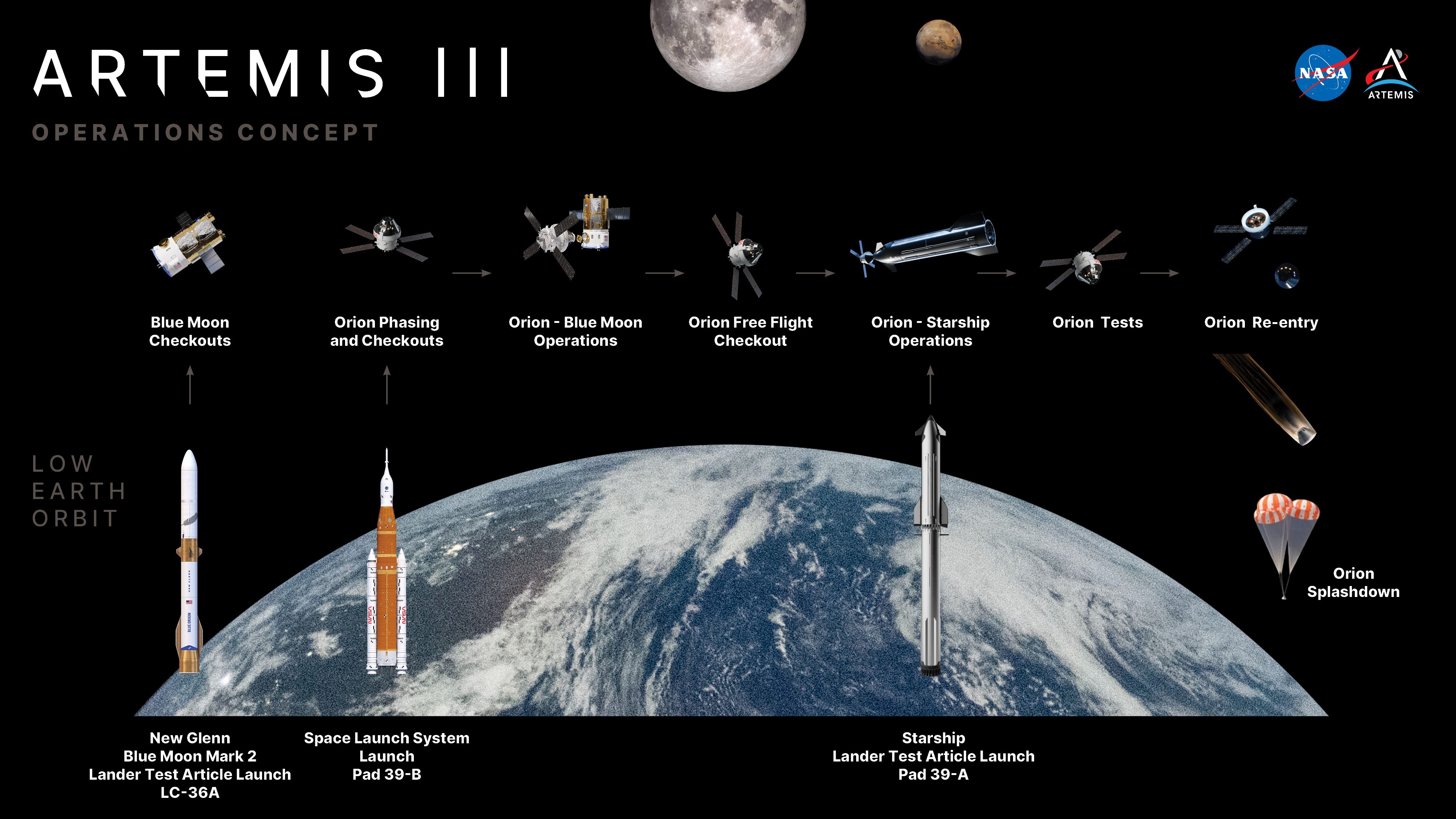
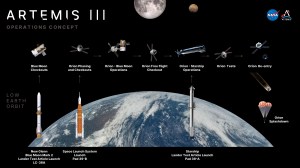
The agency shared details of the Artemis III mission, which will test rendezvous, docking, and operations between NASA’s Orion spacecraft and lunar lander test vehicles from SpaceX and Blue Origin in Earth orbit. Four astronauts will fly aboard Orion, launched on NASA’s SLS (Space Launch System) rocket, for a planned 14-day mission in Earth orbit to reduce risk ahead of the Artemis IV moon landing mission.
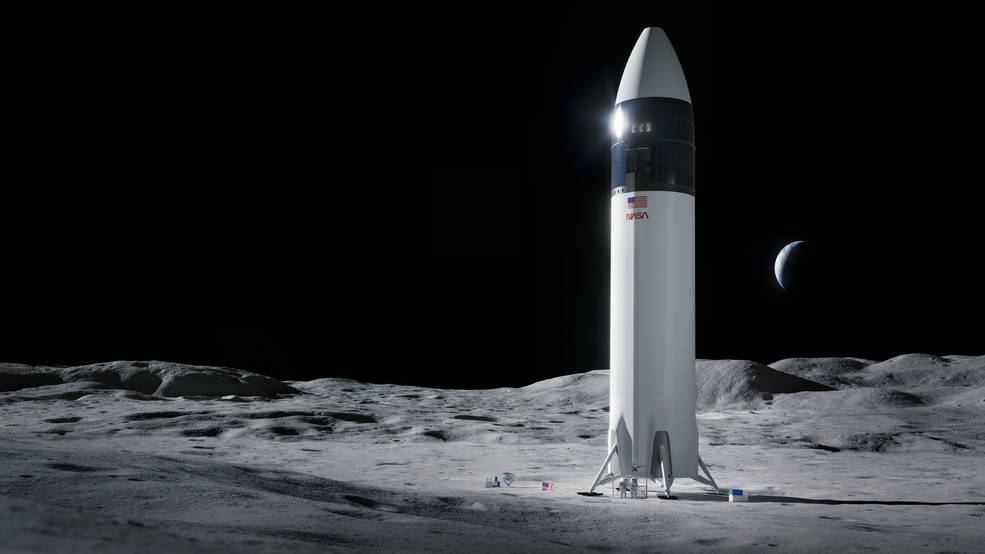
The Artemis III mission will unfold in sequence: Blue Origin will launch a Blue Moon lander test article into Earth orbit, SLS will launch Orion and its crew, docking with the Blue Moon lander test article, then SpaceX will launch a Version 3 Starship lander test article while Orion will undock from Blue Moon and dock with Starship.
The Oct. 23 updates follow other recent updates about the Artemis missions. Hardware for Artemis III is on track, with processing timelines sharply reduced by about half. NASA also redesigned, built, and tested a critical fuel-line component in-house in five months, at roughly a tenth of the cost of an earlier outside-vendor estimate.
“NASA should be expected to do this kind of work, and we have some of the best technical knowledge in the world on rocket hardware and operations to do it,” said Jeremy Parsons, the agency’s Artemis program manager. “It’s an example of how we are rebuilding our core competencies and developing centers of excellence in technical functions instead of continuing to outsource expertise.”
Artemis IV: Pursuing multiple paths to Moon landing
For the agency’s Artemis IV mission in 2028, astronauts will launch aboard Orion on the SLS rocket from NASA’s Kennedy Space Center in Florida. NASA is working with SpaceX and Blue Origin to develop lunar landers to carry those astronauts to the Moon’s surface. Both companies have redesigned their approaches to simplify the missions and make them more efficient and flexible as compared to previous mission designs.
SpaceX’s Starship will refuel in Earth orbit, rendezvous with Orion, and then carry the spacecraft toward the Moon. Blue Origin’s approach involves transfer stages in Earth orbit to push its Blue Moon Mark 2 lander toward the Moon, where it will meet Orion in a closer lunar orbit before descending to the surface.
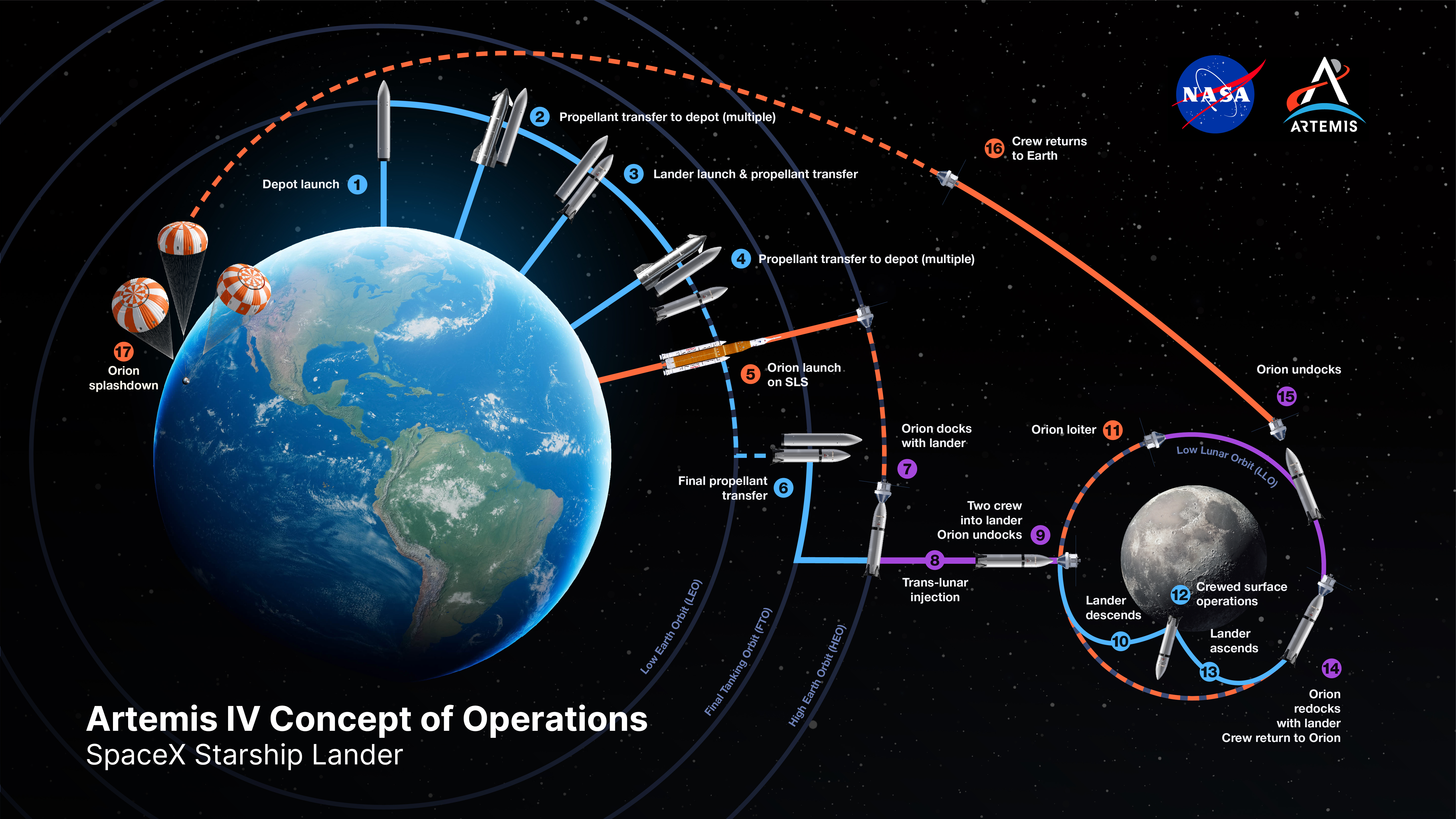
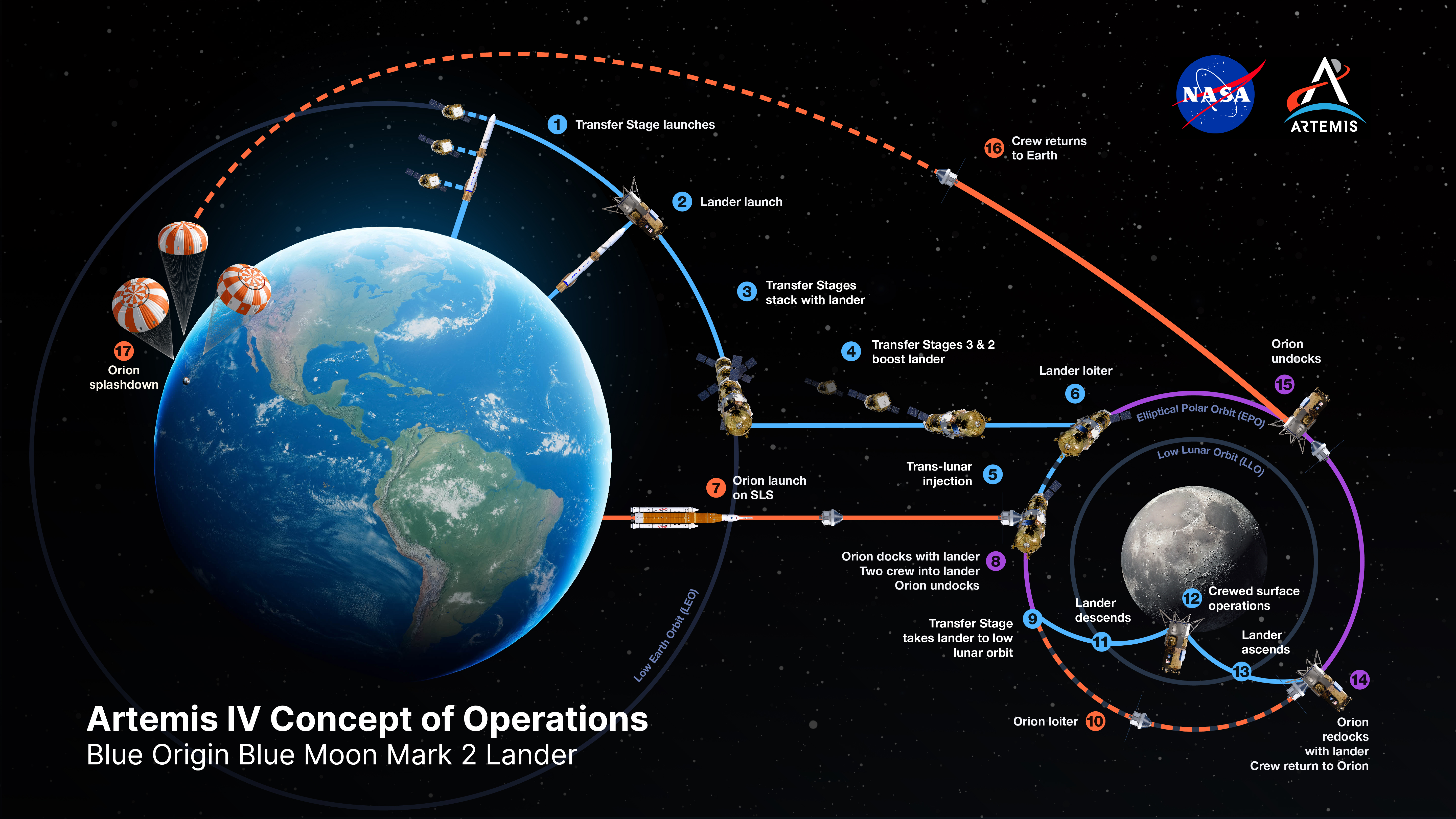
Both SpaceX and Blue Origin are targeting to be able to support a crewed lunar landing in 2028.
For Artemis IV, NASA is pursuing two upper-stage options for the SLS rocket: its current stage, the interim cryogenic propulsion stage; and a stretched version of ULA’s Centaur V which can carry more propellant. Pursuing both options ensures NASA is maintaining flexibility and preventing single-point dependency.
NASA also announced plans with spacesuit provider Axiom Space to develop a second, lighter suit design called the “Sortie suit” to enable the first moonwalks. The Sortie suit will not replace Axiom’s primary suit, which will be used for longer, more demanding missions in the future. The Sortie suit is roughly half the weight of the larger suit and lets NASA move faster on the earliest surface missions.
As part of a Golden Age of innovation and exploration, NASA will send Artemis astronauts on increasingly difficult missions at the lunar South Pole to explore more of the Moon than ever before. In addition to providing economic benefits and advancing scientific discovery through its Moon missions, NASA will establish an enduring human presence on the lunar surface and build on the agency’s foundation for the first crewed mission to Mars.
Learn more about Artemis:
About the Author
Jonathan Deal
Share
Details
Related Terms
Explore More



NASA Announces Ka-Band Satellite Relay Awards for Space Communications
2026-11-04 18:00
NASA selected three companies on Wednesday to perform work to develop Ka-band space relay capability concepts that are compatible with current missions in space, ensuring service continuity for existing spacecraft without requiring modifications to their onboard systems.
Through this work, NASA will aim to acquire end-to-end solutions that include space, ground, launch, operations, and integration elements, as one of many customers in the commercial marketplace.
The awards, under the Next Space Technologies for Exploration Partnerships-3 Broad Agency Announcement Appendix E, are firm-fixed-price contracts that give NASA the option to provide additional funding up to the award limit to advance from initial concept development and risk reduction to an in-orbit flight demonstration. The initial period of performance runs from Nov. 4 through May 3, 2027, with additional priced options to continue work through 2029.
The contract awardees with maximum potential value inclusive of all future options are:
- Astranis Space Technologies Corp. for $264.3 million.
- Global Enterprise Solutions Inc. for $340.4 million.
- Viasat Inc. for $460.9 million.
Facilitated through the agency’s SCaN (Space Communications and Navigation) program’s Communications Services Project, this work supports NASA’s decision to gradually retire the Tracking and Data Relay Satellite fleet and adopt commercial services for future missions. In addition to the commercial capabilities currently under development by the program’s industry partners, Ka-band services are needed to support select in-orbit missions that cannot feasibly modify flight hardware or transition to non-compatible commercial services.
To learn more about NASA’s Network Extension for User Continuity and Sustainability Ka-band service acquisition, visit:
-end-
Jennifer Dooren / Jessica Taveau
Headquarters, Washington
202-358-1600
jennifer.m.dooren@nasa.gov / jessica.c.taveau@nasa.gov
TechCrunch - Latest
Apple is reportedly cutting budgets for its internal AI usage
2026-11-05 01:26
After the midterms, a bigger clash over data centers could be coming
2026-11-05 01:02
AI PACs spent millions trying to shape Congress — here’s how they fared
2026-11-04 22:45
Nothing CEO says company’s mysterious AI-first device is dropping next month
2026-11-04 22:13
Almost no one uses AI agents to book their Uber, company says
2026-11-04 21:56


